Free unattended death cleanup tool
Unattended Death Cleanup Provider Vetting Checklist
Fifteen questions to ask any remediation provider, a readiness score, and a copyable list of what is still unanswered.
When other tenants are complaining and an executor wants updates, it is tempting to hire whoever answers first. This checklist gives you a set list of questions to ask any provider before you book them. Do they hold the licenses and insurance your state and county require? Are their workers trained under the federal rule 29 CFR 1910.1030? Will they lift flooring and take moisture readings instead of just wiping surfaces? How do they handle regulated waste, and will they give you the waste shipping records? How do they record belongings for the estate? You tick each item once you get a clear answer. The tool works out a readiness score. The items still open become a list you can copy and send.
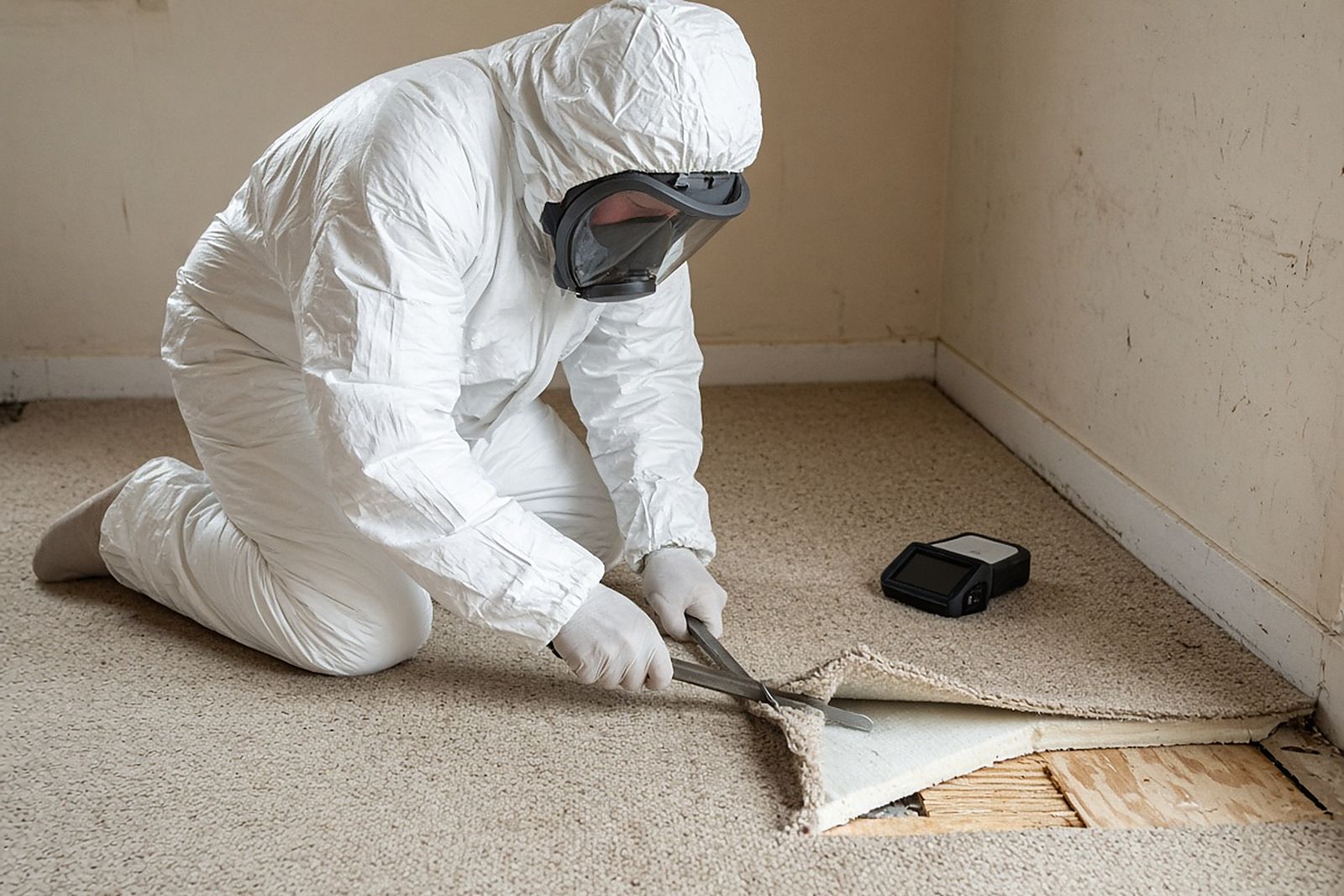
For this kind of work, a few questions matter most. Ask whether the provider checks the subfloor and inside walls every time. A company that does not will quote too low and leave the source of the smell behind. Ask how they handle areas insects reached, and whether they work with pest control. Ask what must be true before people can move back in, and whether they put that in writing. And ask how they list and store clean belongings. A landlord or executor who lets a crew throw out estate property without records can face real trouble later. The network helps you reach providers, but it does not vouch for them. This checklist is how you check them yourself, in writing, before anyone enters the unit.
How to use it
- 1Read the questions before you contact providers. Then you can ask each one the same way and compare answers side by side.
- 2Ask each question by phone or email. Tick only the ones where the provider gives a clear answer you can check, not just a general promise.
- 3Note the readiness score. Decide how many open items you will accept before you book an inspection.
- 4Copy the open questions and send them to every provider you are thinking about. Then update the checklist as replies come in.
Prefer to ask a person?
Your request is sent to the follow-up inbox. A coordinator can reply by email. Not for emergencies; call 911 first if anyone is in danger.
Vet a provider before you sign
Unattended Death Cleanup provider vetting checklist
Start with the questions specific to this kind of job. Tick each one once the provider has answered it in writing or shown you the document. Your progress stays on this device only.
Readiness: 0 of 21 confirmed (0%)
21 questions still need a written answer. Copy the list and send it to the provider before you sign anything.
A worked example
Picture a made-up executor. She is a niece in another state, settling the estate of an uncle who lived alone in a house he owned. He was found some weeks after he died. A neighbor with a key has told her about a strong smell and a dark area on the bedroom floor. The niece opens the checklist and calls a provider suggested by the county's victim services office. The coordinator confirms the company's license, insurance, and bloodborne germ training, and offers to email the certificates. She ticks those items. She asks whether they always lift flooring and check the subfloor and floor beams. The coordinator says they take moisture readings and open the floor wherever readings are high, with photos at each stage. Ticked. She asks how they handle belongings. The coordinator explains that clean items are boxed, listed, photographed, and delivered to the person the estate names. Ticked. The waste shipping record and the move-back-in rules are both confirmed in writing. Then she asks whether they arrange pest control for the flies the neighbor saw. They say she would need to set that up herself. She leaves it open. The readiness score is high, with one open item. She emails that question to a second provider. She also asks the neighbor to keep the house closed and the air conditioning off.
Numbers behind vetting checklist decisions
- 2,040
Nearly 2,040 medical examiner and coroner offices operated in the United States in 2018, and only about 17% were accredited.
Read with care: Accreditation status may have changed since 2018.
Source: Bureau of Justice Statistics (2018)United States, 2018 census of ME/C offices
- 2.43 million
Janitors and building cleaners held about 2,432,600 jobs in the United States in 2025, with a median pay of $36,840 per year.
Read with care: Occupation-level count covers general cleaning, not specialized biohazard or remediation technicians.
Source: BLS (2025)United States, all employment settings, 2025 estimate
- 40 hours + 8 hours/year
OSHA's HAZWOPER rule requires general site workers to complete 40 hours of off-site instruction plus three days of supervised field experience, with 8 hours of annual refresher training.
Read with care: Not every biohazard cleanup legally falls under HAZWOPER; meth lab chemical work often does.
Source: OSHA (1990)US hazardous waste site workers
- $0 to employees
Since February 13, 2008, OSHA has required employers to provide required personal protective equipment at no cost to employees.
Read with care: Exceptions exist for non-specialty footwear, prescription eyewear and lost or deliberately damaged PPE.
Source: OSHA (2008)US general industry employers
These figures are public research and agency data, not this network's own job records. Keep each number with its population, year and limits; none of them predicts cost, timing or outcome at a specific property.
Provider Vetting Checklist questions for unattended death cleanup
What licenses and training should a provider for this kind of cleanup really have?
At a minimum, they need the business licenses and insurance your state and county require. Their workers should be trained under the federal bloodborne germ standard. They should also have a deal with a licensed hauler for regulated waste. Some states require special registrations for trauma scenes or medical waste. Rules vary by state and county. So check with the local authority to see which ones apply. Then look up any license number in the public records of the agency that issued it.
How can I tell whether a provider will really inspect the subfloor?
Ask them straight out how they find out how far fluid soaked in. Listen for moisture meters, lifting floor layers, and photos of the exposed structure. A provider who says they will clean and treat the carpet is likely planning surface work only. So is one who gives a firm price before seeing the floor from underneath. Ask them what they would do if readings under the pad are high.
The estate has no money yet. Should I still vet providers now?
Yes. The damage gets worse and odor spreads while probate moves along. So it is worth lining up a checked provider early. Talk about when payment is due with them and with the estate's lawyer. Some providers will work with an executor on timing and on billing the estate. The vetting checklist costs nothing. It also gives you a written reason for your choice when heirs ask about it later.
What if the provider says pest control, rebuild, or odor treatment is not included?
That is not always a problem, but it should be in writing. Many cleanup companies focus on removal and disinfecting. They send pest control and rebuild work to others. Ask who they suggest and whether they help hand off the job. Also ask whether odor treatment is part of their work or a separate line. Write down each item they leave out. Then you can build the full budget and timeline for the owner or estate.
Does a name from police, a coroner's office, or a funeral home replace the checklist?
No. Those referrals are usually just names the office has seen before. They are not checked endorsements, and licenses can lapse. Run every company through the checklist, no matter who suggested it. It does not take long. It also leaves you with a written record of what was promised. That protects a landlord in a dispute with tenants. It also protects an executor who must account to the heirs.
How should I use the checklist if siblings are choosing the provider together?
Have one person run the checklist with each company and share the results with everyone. That works better than several people calling the same companies with different questions. Agree ahead of time which items are must-haves. Examples are a written plan for belongings or a check of the subfloor. Then compare the written answers together. That keeps the choice based on the same facts. It also cuts down on conflict at an already hard time.
What if two providers both pass every item on the checklist?
Then the choice comes down to fit. Consider who explained the plan most clearly, who can return quickly for odor follow-up, who communicates the way your family prefers, and whose scope best matches what you saw in the photographs. Price matters too, but only once both scopes cover the same work. Either choice is defensible, and the checklist results show why you made it.
Related community polls
Every count is a real visitor vote; nothing is seeded or padded. One vote per poll per device, and you can change your answer.
As a landlord, how long would you wait for the tenant's family before arranging cleanup yourself?
Which part of an unattended death project would you find hardest to manage?
Other unattended death cleanup tools
Cost Range Estimator
Set the affected area, surface types, severity and extras to see an educational cost range and the factors that move it.
OpenInsurance Claim Organizer
A guided checklist from finding the policy to tracking the carrier decision, with a printable summary of where the claim stands.
OpenFirst 24 Hours Planner
Tell the planner a few facts about the situation and get an ordered list of who to call, what not to touch, and what to photograph.
OpenWaste & Disposal Classifier
Five questions about the material point to the likely waste category and which authority to confirm the rules with.
OpenDIY or Call a Pro? Risk Check
Eight yes-or-no questions that produce a risk level and explain when professional help is the safer choice.
OpenMore on unattended death cleanup
Unattended Death Cleanup services
Learn what cleanup after a late discovery involves. It covers tracing how far fluid soaked into the subfloor, odor treatment, listing belongings, and move-back-in records.
Costs explained
What drives the price, published cost ranges, and how to read a written quote line by line.

Insurance and payment
Which policies may respond, how to document a claim, and what to do if coverage is denied.
Community polls
See how other landlords, executors, and relatives handled belongings, talking with tenants, telling buyers, and subfloor choices. Share your own view without giving your name.
Knowledge quiz
Test what you know about odor signs, who is in charge, closing off rooms in shared buildings, taking out soaked materials, waste records, and final sign-off papers.
Articles and resources
Longer reads on handling an estate from far away, working with tenants after a death in the building, and what honest cleanup after a death looks like.
Field guides
Guides for landlords and executors. They cover access, who is in charge, telling the insurer, how long to hold belongings, and when people can safely move back in.
City guides
Find cleanup providers by city and state. Then check their licenses, waste handling, and how they inspect the subfloor yourself before you approve any work.