Unattended Death Cleanup Services and What They Cover

After an unattended death, the work usually falls into three services. Below, each one is described in plain terms, along with the home it suits and the records the family or owner should receive.

Get an email reply about unattended death cleanup

Send a short message to the follow-up inbox. A coordinator can reply by email. This form does not send emergency help; call 911 first if anyone is in danger.

Tell us what you need help with. Share a short description; please leave out medical details, access codes, and other sensitive information.

A request does not confirm a booking. For immediate danger, contact local emergency services.

Or email info@unattendeddeath.online

Three parts, one goal

The goal is a home that is safe and free of smell, ready to be lived in, sold, or rented again. Getting there means removing what fluids reached, dealing with any smell that lingers, and leaving the structure ready for repairs.

Some homes need all three services, and some need only the first. If a company lists all three, ask what they found that calls for each one. Clear answers are a good sign.

The services, one by one

Decomposition Cleanup

Who it is for: Any home where a person was found after some time had passed. It is the first and main part of nearly every job.

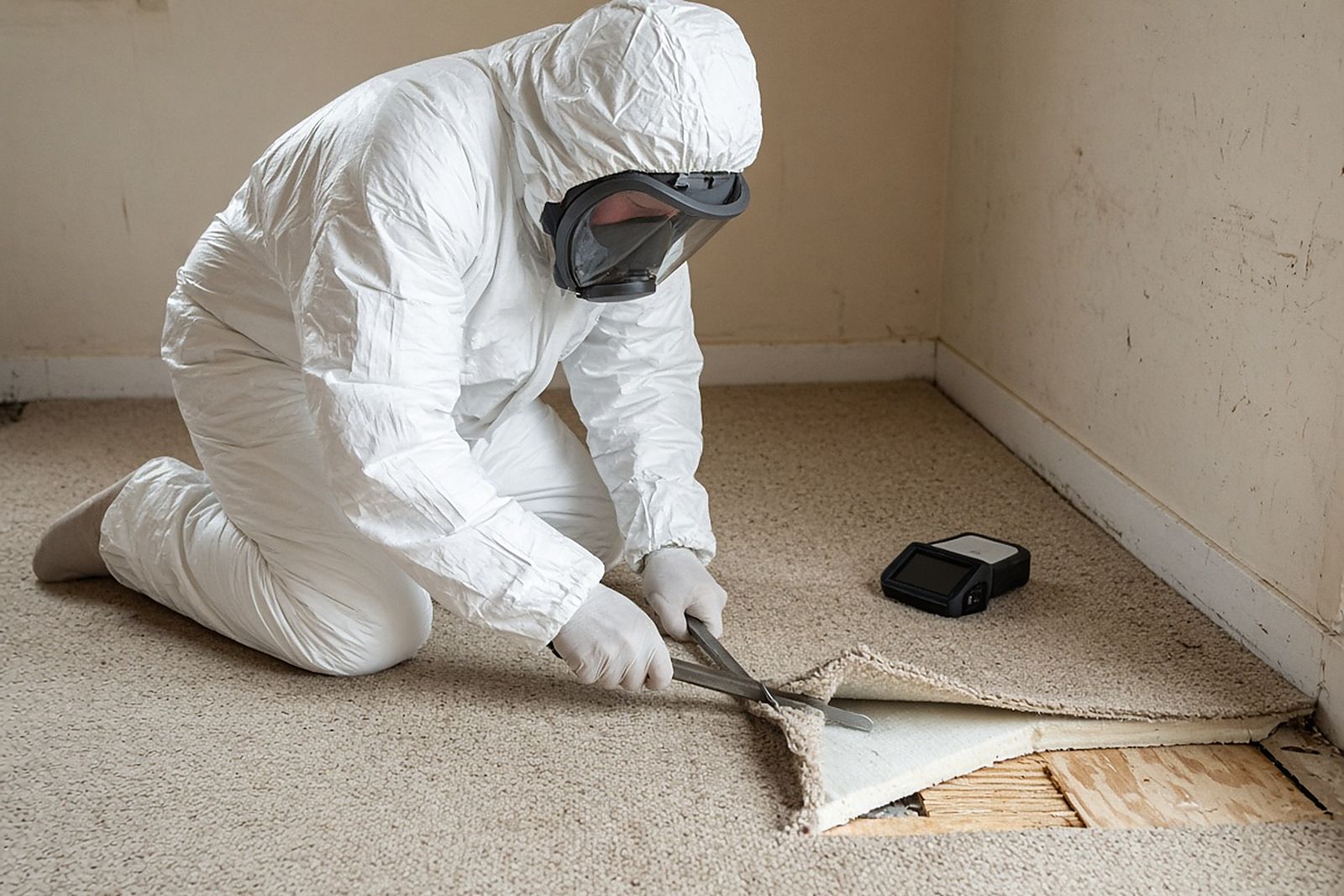
The crew measures how far fluids spread, often well past the stain. They remove the bed, soft furniture, carpet, pad, and damaged floor or wall sections. What remains is cleaned with products that break down body fluids and then disinfected. Insects and their traces are removed at the same time.

What you should get: An item-by-item record of the materials taken out and their disposal, plus before and after photos for the estate or insurer.
Severe Odor Removal

Who it is for: Homes where a smell remains after the soaked materials are gone. It is common when the person was not found for a long time or in warm weather.

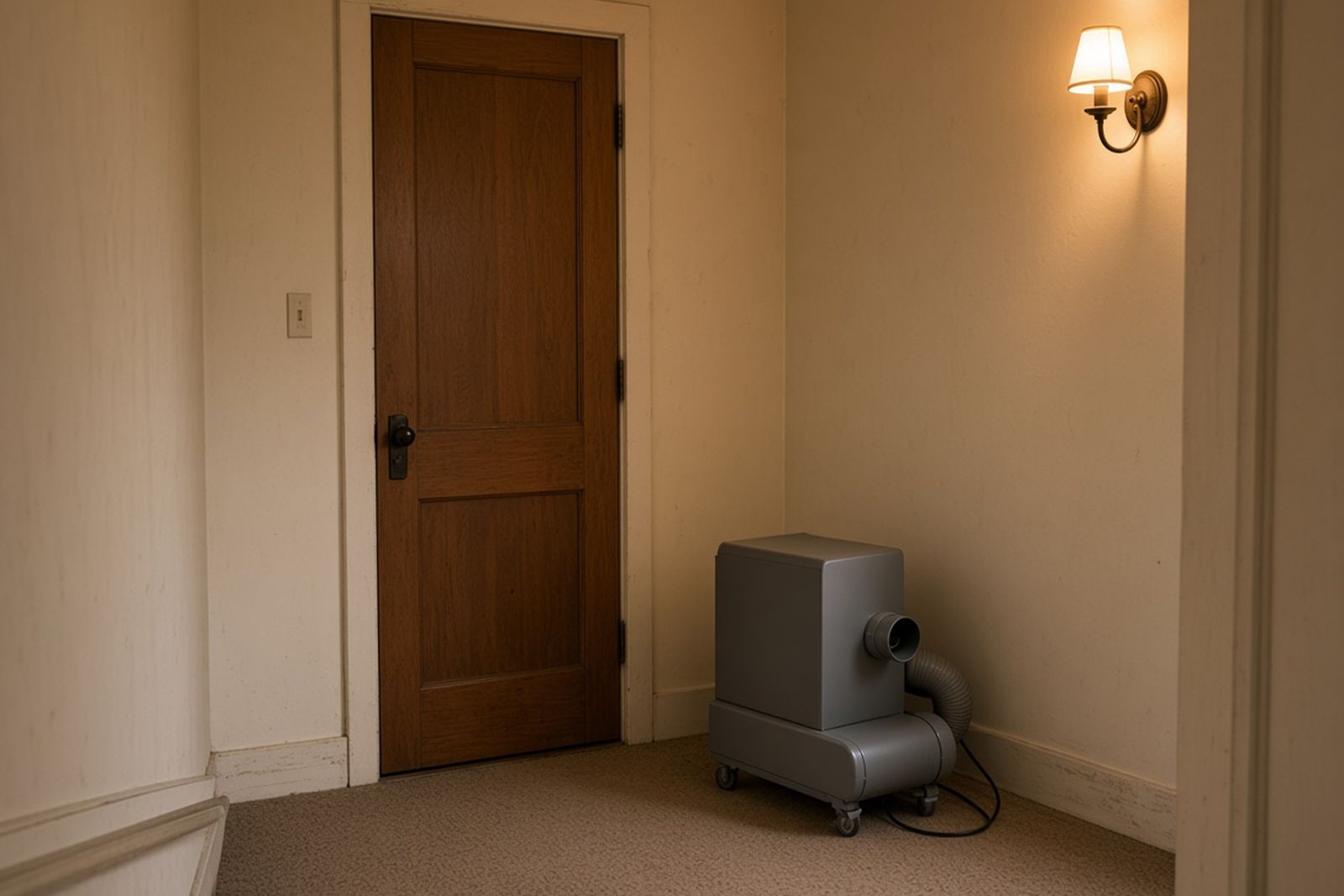
The crew first confirms that the source materials are out, because treating air alone will not last. They may run air cleaners and, if needed, odor machines that require an empty home. Dirty furnace or air filters are replaced. They recheck the smell after airing out and adjust if it returns.

What you should get: A written note of which machines ran, how long, and when it is safe to go back in.

Property Restoration

Who it is for: Homes where flooring, drywall, or subfloor had to come out. It gets the space ready for a regular contractor.

The crew checks that exposed wood and wall spaces are clean and dry. They seal surfaces when needed so leftover odor does not come back. They give your contractor photos and notes so repairs can be priced accurately. A final walk-through is done with the family, executor, or landlord.

What you should get: A clear record that the hazard is gone, kept separate from any later repair or remodel work.

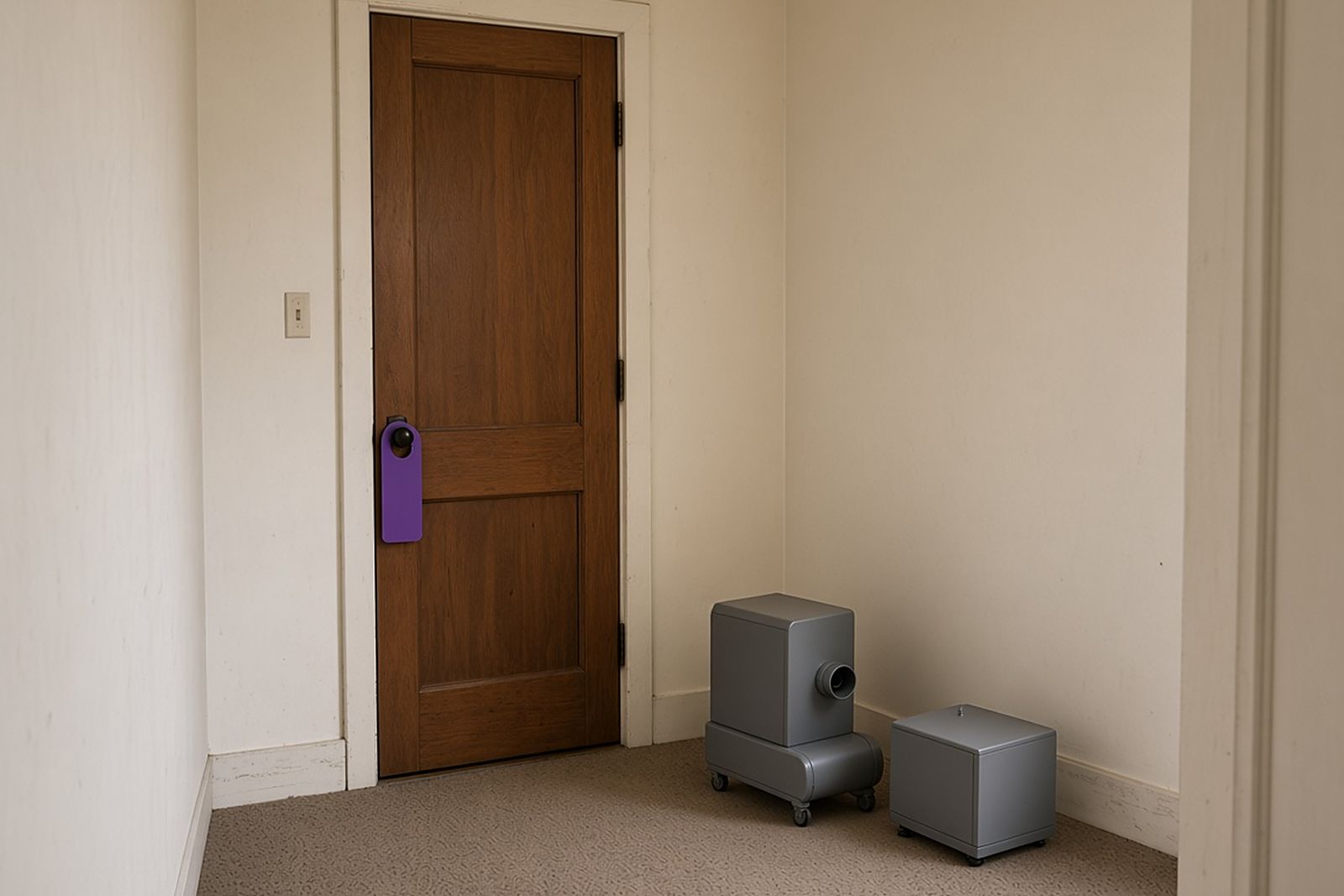
Air-filtration and odor-control units staged outside a closed door with a do-not-enter tag on the handle
Illustrative photo, not a job record. Air-filtration and odor-control units staged outside a closed door with a do-not-enter tag on the handle.
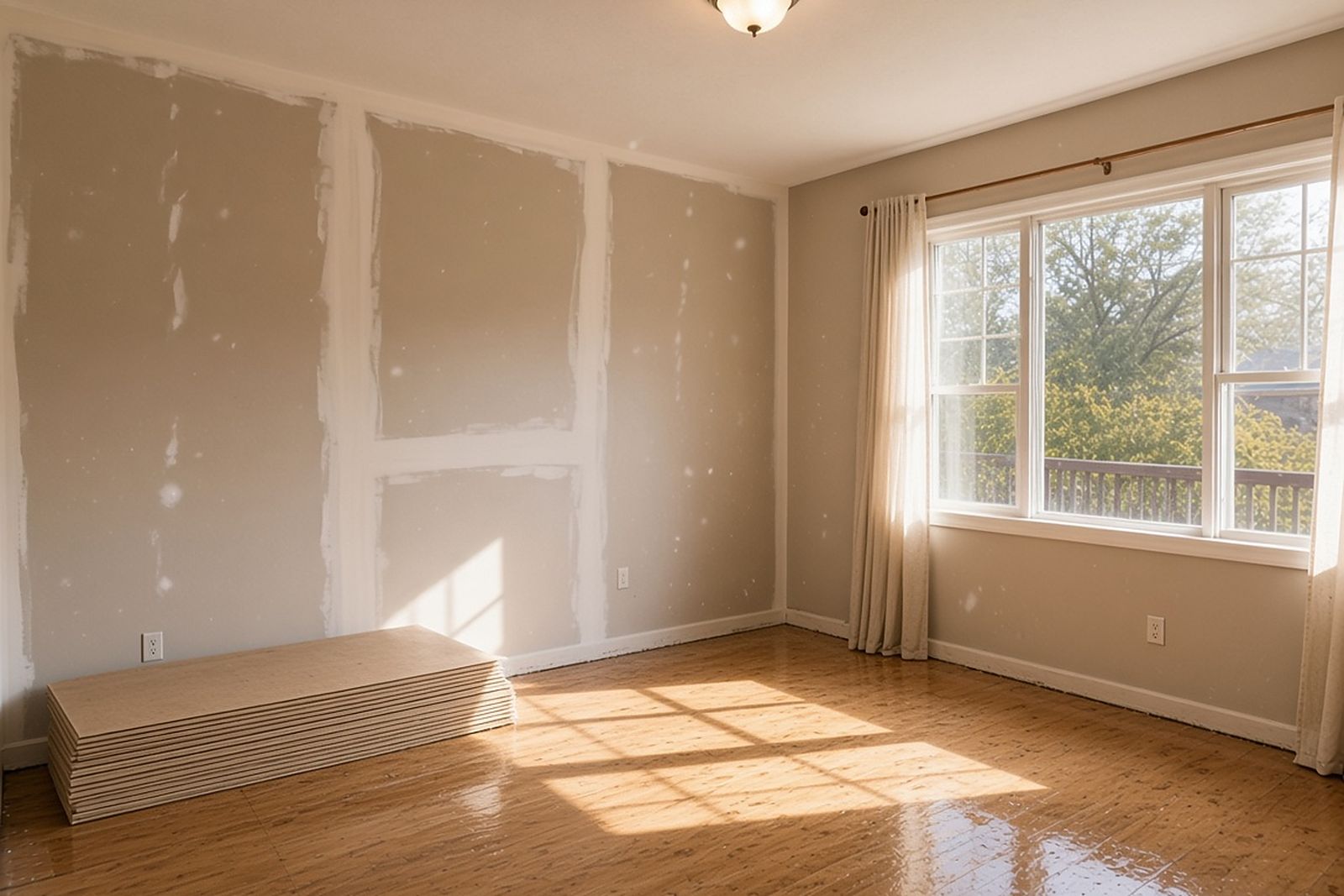
Room with fresh drywall patches, bare hardwood floor and new flooring panels stacked by the wall
Illustrative photo, not a job record. Room with fresh drywall patches, bare hardwood floor and new flooring panels stacked by the wall.

Unattended Death Cleanup in numbers

1 in 4

More than one in four older Americans falls each year, producing about 4.5 million emergency department visits annually.

Read with care: Counts falls treated in EDs; many falls go unreported.

Source: CDC Injury Center (2026)United States, adults 65+, annual estimates

$200-$300 per hour

Fixr's 2025 guide lists unattended death cleanup at $200 to $300 per hour and hoarding cleanup at $25 to $150 per hour or about $1,000 per day.

Read with care: Fixr figures are editorial cost estimates compiled from contractor and industry data, not a statistical survey of completed jobs; local prices vary widely.

Source: Fixr (2025)United States, residential biohazard cleanup estimates, January 2025

2,040

Nearly 2,040 medical examiner and coroner offices operated in the United States in 2018, and only about 17% were accredited.

Read with care: Accreditation status may have changed since 2018.

Source: Bureau of Justice Statistics (2018)United States, 2018 census of ME/C offices

34,696

Federal OSHA conducted 34,696 inspections in fiscal year 2024 and has roughly one compliance officer for every 70,000 workers.

Read with care: Excludes inspections by state-plan agencies.

Source: OSHA (2024)United States, federal OSHA, FY2024

These figures are public research and agency data, not this network's own job records. Keep each number with its population, year and limits; none of them predicts cost, timing or outcome at a specific property.

What is not part of this work

  • Moving the person or deciding the cause of death. The medical examiner or coroner handles that.
  • New flooring, drywall, or paint. A general contractor rebuilds after the space is cleared.
  • Probate, wills, or other estate questions. An estate lawyer or the local probate court can guide you.
  • Sorting or selling the whole household. An estate sale company or a cleanout service can help with that.
  • Grief counseling. A counselor, faith leader, or local hospice grief program can offer support.

Once the work is done

A faint smell may return on a warm or humid day, especially before new flooring goes in. Call the company and ask them to recheck; it may mean a spot was missed. Keep the crew's final report, photos, and waste record with the estate papers. Buyers, new tenants, and insurers may ask for them.

Walking into the home again can be hard, even when it looks and smells normal. Others let the executor or a real estate agent take over from here. Hospice programs often run grief groups open to anyone in the community, whether or not the person was in hospice care.

What research has found

Findings from published studies of people and properties in situations like this one. They describe what researchers observed in a specific group; they are not predictions for your case.

Relatives continued interpreting the deceased person's intentions after the encounter.
Who was studied: 34 Brazilian relatives interviewed during 2013–2019.Limits: Experiences of selected relatives; no population frequency estimates.Exploring the experiences and impact of discovering the body at the site of suicide (2026)
Ongoing rent created pressure to clear belongings before relatives felt ready.
Who was studied: UK interviews: 14 bereaved people experiencing poverty and 15 supporting professionals.Limits: Small purposive sample; UK housing context; not current legal guidance.How does housing affect end-of-life care and bereavement in low-income communities? (2022)

Unattended Death Cleanup community polls

Poll results

Every count is a real visitor vote; nothing is seeded or padded. One vote per poll per device, and you can change your answer.

Your experience

As a landlord, how long would you wait for the tenant's family before arranging cleanup yourself?

No visitor votes yet
Process

Which part of an unattended death project would you find hardest to manage?

No visitor votes yet
Industry

If a provider said to remove the subfloor, what would you want before agreeing?

No visitor votes yet

Before you hire: unattended death cleanup questions

Can odor removal start before the main cleanup is finished?

It should not. Odor comes from the soaked materials, so running machines first only hides it for a while. A careful crew removes the source, cleans and disinfects, and only then treats any smell left in the air or walls. If a company suggests fogging first to make the home tolerable, ask why and what they plan to do afterward.

Will the mattress and bed be cleaned or removed?

If fluids reached the mattress, it is almost always removed, because the foam and fabric cannot be cleaned inside. A bed frame made of metal or sealed wood can sometimes be cleaned and kept. Upholstered headboards usually cannot. The crew should explain each item and ask before hauling away anything the family may want.

Can the crew clear out the rest of the home too?

Many companies offer a full cleanout of unaffected rooms as a separate service. It can help if family lives far away or the home is full. Ask them to set aside papers, photos, jewelry, and anything the family lists. The cleanout should appear as its own line on the estimate, apart from the decomposition work.

Does Property Restoration mean the home is ready to sell?

It means the hazard is gone and the space is ready for repairs. It does not include new finishes or staging for a sale. New flooring, paint, and trim usually come next from a regular contractor. Keep the restoration report handy, since it shows buyers and inspectors that the problem was handled properly.

Why might the crew replace the furnace filter or clean the ducts?

If the heat or air conditioning ran while the person was undiscovered, it pulled smelly air through the system. The filter traps some of it and keeps releasing it later. Replacing the filter is simple. Duct cleaning is only needed if the smell keeps coming from the vents after the source is gone. Ask the crew to show you why.

Can I get updates if I live in another state?

Yes. Ask the company for one contact person and how often they will update you. Many can send photos or video at each stage and do the final walk-through by video call. Someone local, like a neighbor or building manager, can let the crew in. You can usually sign the work order and pay by email.

What happens to medicines found in the home?

Prescription and over-the-counter drugs should not go in the trash or down the drain. The crew can set them aside for the family or executor. Many pharmacies and police stations have take-back drop boxes, and some areas hold take-back days. Check with your local pharmacy or health department for options near the home.

Questions about your situation?

Describe what happened in a sentence or two. Your request is sent to the follow-up inbox. A coordinator can reply by email.

Your request is sent to the follow-up inbox. A coordinator can reply by email.

If anyone is hurt or in danger, call 911 first.