Unattended Death Cleanup community polls
See how other people handled the same decisions, then add your own answer.
After an unattended death, strangers often end up making very personal choices. A landlord decides when to enter a unit. An executor decides whether to keep a sofa. A neighbor decides whether to mention the smell. Few people have done this before, and the advice they get is often secondhand. These polls show how others handled the same choices, so you can see a range of views instead of one voice. They cover practical questions. Should other tenants move out for a while? How long should you wait for family before acting? What should happen to belongings? The results will not make your decision for you. But they show that doubt is common and that sensible people choose differently.
Get an email reply about unattended death cleanup
Send a short message to the follow-up inbox. A coordinator can reply by email. This form does not send emergency help; call 911 first if anyone is in danger.
Vote on the questions that matter here
Every count is a real visitor vote; nothing is seeded or padded. One vote per poll per device, and you can change your answer.
As a landlord, how long would you wait for the tenant's family before arranging cleanup yourself?
Which part of an unattended death project would you find hardest to manage?
If a provider said to remove the subfloor, what would you want before agreeing?
Would you move nearby tenants out for a while during cleanup of an affected unit?
When selling or renting out a property after an unattended death, what would you tell people?
How would you weigh cost against a thorough job when choosing a cleanup provider?
Why opinions matter in unattended death cleanup
After a late discovery, your role shapes your choices. A landlord worries about other units, lost rent, and legal risk. An executor worries about the estate's money, the family's wishes, and paperwork. A grown child who lives far away worries about all of it, and may also feel guilty about the delay. Each poll here focuses on one choice that comes up again and again for these people. Do you hire the first crew that can come, or wait for a second quote? Do you keep or throw out soft furniture? Do you tell future tenants or buyers about the death? Is odor treatment worth a few more days of an empty property? The options are balanced, so the results show real differences, not a hoped-for answer.
Results are opinions, so use them that way. A popular choice tells you what many people found acceptable. It does not tell you what is safe or legal for your property in your county. Do not treat a poll majority as permission to skip removing soaked materials. Do not use it to throw away an estate's belongings or to re-rent a unit before it is cleared. Use the results to sharpen the questions you bring to a checked provider, a lawyer, or the local housing authority. If a poll touches a choice you feel strongly about, notice that. It may point to the issue you should raise first when you make your calls.
How to read poll results
Anyone who finds this page and chooses to click can answer. So answers lean toward people in the middle of a property problem. People who dealt with it quietly years ago are less likely to vote. That makes the results a snapshot of a self-chosen group. They do not measure everyone who has handled an unattended death. Look at how evenly the votes split. A near-tie usually means the choice is truly hard. A one-sided result may just show which option was easiest to pick. Few votes for an option often mean few people faced that situation, not that it is unwise.
The sourced facts found elsewhere on this site are a different kind of thing. They come from government agencies, published research, or industry groups. Each one has a source you can check. Those figures describe measured things, like how decay affects building materials or how regulated waste is tracked. A poll shows what people prefer or remember. That changes with time, mood, and who happens to answer. If a poll result and a sourced figure seem to disagree, trust the sourced figure for planning and safety. Treat the poll as a look at how others felt about the same facts.
How voting works
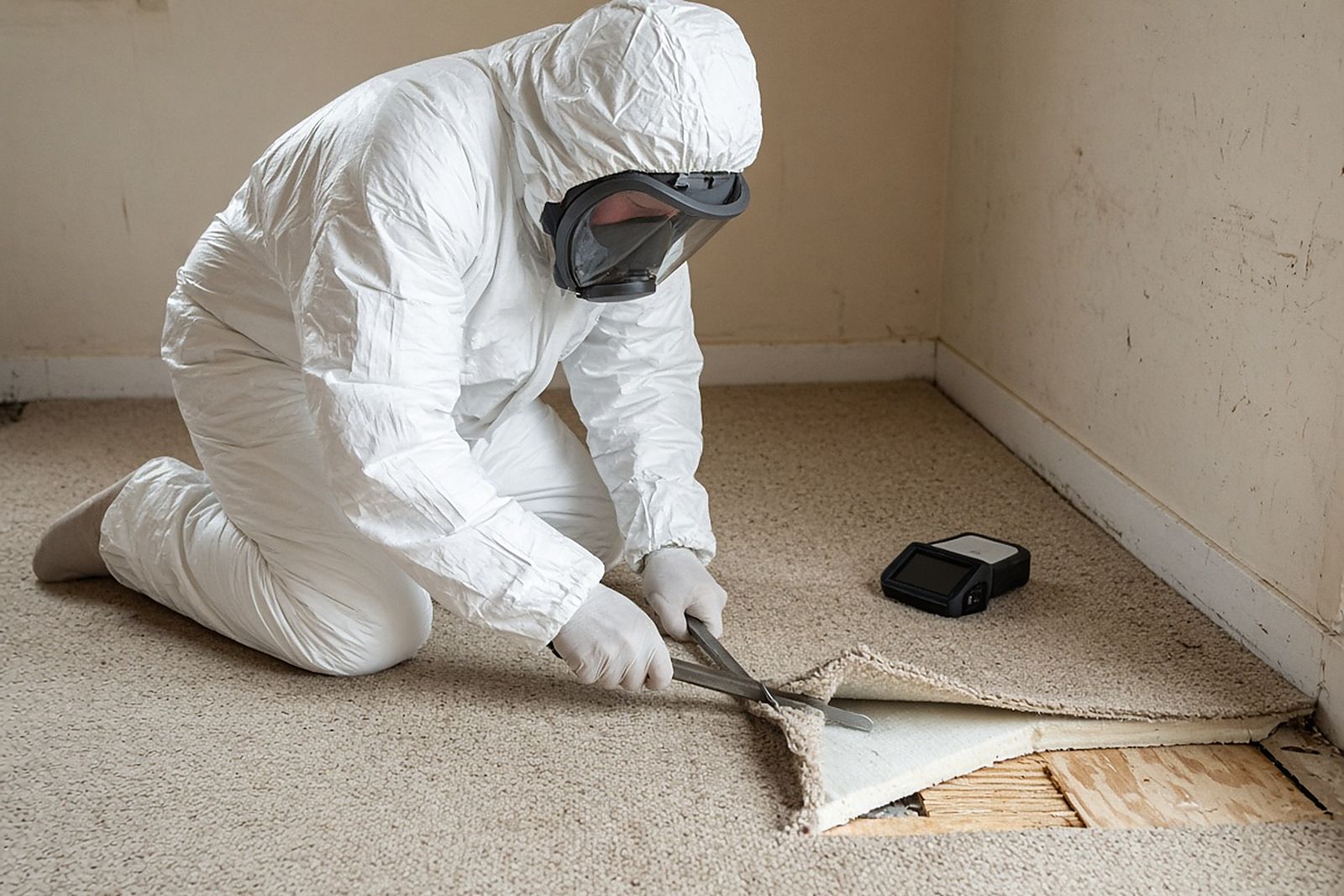
One vote per poll per device; you can change your answer. Votes are stored as anonymous counts with a salted, hashed identifier and never linked to a name, email or form submission.
Opinion versus observation
Findings from published studies of people and properties in situations like this one. They describe what researchers observed in a specific group; they are not predictions for your case.
Financial changes created housing insecurity and health concerns.
Rehousing away from established contacts could increase isolation.
Sourced numbers next to the opinions
Polls show what visitors think. These figures come from published research and agency data, so you can compare perception with evidence.
- 99
99 of 159 consistent non-viewer respondents did not wish they had viewed.
Read with care: Observational; no causal effect established; item denominators differ.
Source: Omerov et al. (2014)666 Swedish suicide-bereaved parents; surveyed 2–5 years after loss.
- 57%
57% of FEP claimants had not known about that benefit beforehand.
Read with care: Historical benefit-service experience, not current entitlement; entirely proxy-completed applications excluded.
Source: UK Department for Work and Pensions et al. (2021)765 UK Bereavement Support Payment (BSP) and 764 Funeral Expenses Payment (FEP) claimants; January 2021 interviews.
- 470
Researchers estimated that about 470 cases of unreported bodies left in homes by housemates occur in Japan each year, about 40% from natural causes.
Read with care: Extrapolation from one forensic department's caseload.
Source: Cureus (peer-reviewed forensic study) (2024)Japan, annual projection from regional forensic data
- 76,020
A total of 76,020 people died alone at home in Japan in 2024, and 76.4% of them were aged 65 or older.
Read with care: Japanese national police data; no equivalent U.S. national count of unattended deaths exists, so use only as an international illustration.
Source: Japan National Police Agency (reported by Xinhua) (2024)Japan, calendar year 2024, deaths at home of people living alone
These figures are public research and agency data, not this network's own job records. Keep each number with its population, year and limits; none of them predicts cost, timing or outcome at a specific property.
Questions about unattended death cleanup polls
Can I vote in these polls without identifying myself or the property?
Yes. The polls collect no name, address, or email. No question asks about the person who died or where the property is. Results are shown only as combined totals. If you are a landlord or executor and you worry about privacy for the estate or other tenants, you can read the results without voting. That is a perfectly fine way to use the page, and many people choose it.
Why do some options describe things an expert would warn against?
Because people really do those things, and leaving them out would make the poll dishonest. Some landlords air out a unit and rent it again. Some families keep a mattress they should not keep. Seeing those choices in the results is useful, but it is not an endorsement. When a popular answer goes against the sourced safety advice elsewhere on this site, follow the advice.
Can I cite a poll result to a tenant, an insurer, or a court?
No. A poll is the opinion of anonymous people. It is not a standard or proof, and it carries no weight in an insurance dispute or a landlord-tenant case. What the polls can do is help you guess what others involved may be thinking, so you can prepare a response. For anything with legal or money stakes, rely on your written scope, the waste shipping records, and advice from the right local authority.
Who writes the poll questions?
The network's editors write them. They base them on choices that come up again and again in reader messages, tool use, and guides. Each question is reviewed to keep the options balanced. Editors also make sure nothing could point to a specific person or property. If you faced a choice as a landlord, executor, or family member and it is missing here, use the site's contact page to suggest it.
Do the results ever get reset or retired?
Questions are sometimes removed when the wording becomes unclear or the choice they describe stops being common. A retired question is taken down, not edited in place. That way a stored result never changes meaning under a new heading. Live results keep adding up as readers vote. So a figure you note today may look different next month. Treat any number as a snapshot of one moment in time.
I am a landlord with other tenants asking questions. Which polls are most relevant?
Look at the questions about moving nearby tenants out for a while, talking with other residents, and when people can move back in. They show how other landlords weighed lost rent against safety and goodwill. Use the results along with the First 24 Hours Planner. It covers shared air systems and how odor spreads in buildings with many units. Also check local housing rules. These vary by state and county, so confirm them with the housing authority.
Is there any reason not to read the polls at all?
You may feel raw right now, especially if the person who died was a parent or close friend. Reading about other people's choices on belongings and odor can feel cold. You do not have to take part. The property tools and direct contact with a checked provider will move things forward without the polls. The polls are here for whenever other views feel helpful instead of painful.
More on unattended death cleanup
Unattended Death Cleanup services
Learn what cleanup after a late discovery involves. It covers tracing how far fluid soaked into the subfloor, odor treatment, listing belongings, and move-back-in records.
Costs explained
What drives the price, published cost ranges, and how to read a written quote line by line.
Insurance and payment
Which policies may respond, how to document a claim, and what to do if coverage is denied.
Planning tools
Six tools for landlords, executors, and families caring for a property after an unattended death. They help from the first day through waste records and claims.
Knowledge quiz
Test what you know about odor signs, who is in charge, closing off rooms in shared buildings, taking out soaked materials, waste records, and final sign-off papers.
Articles and resources
Longer reads on handling an estate from far away, working with tenants after a death in the building, and what honest cleanup after a death looks like.
Field guides
Guides for landlords and executors. They cover access, who is in charge, telling the insurer, how long to hold belongings, and when people can safely move back in.
City guides
Find cleanup providers by city and state. Then check their licenses, waste handling, and how they inspect the subfloor yourself before you approve any work.