Direct answer
The short answer for Sacramento, CA
Sacramento is the Central Valley capital, with about 525,000 people. It mixes wood-frame bungalows in midtown, postwar tracts on slabs, pocket neighborhoods by the rivers, and soft-story apartment buildings. Summers here run much hotter than on the coast, which speeds up the breakdown of a body in a closed house. In winter, tule fog slows drying after soaked materials come out. This guide covers the Sacramento County Coroner release, planning around heat, staging on the grid and in alleys, and records for the estate and landlord. It does not claim a local office, a crew list, or a set response time.
Editorial guide · Biohazard Remediation NetworkUpdated 2026-07-22Location focus: Sacramento, CA
Local planning context
Capital-city homes include older wood-frame houses with alley garages on the downtown and midtown grid, and the tree-shaded streets of Land Park and East Sacramento. There are also slab tracts in Natomas and the south area, and neighborhoods near the American and Sacramento Rivers. Older residents who live alone on the grid are sometimes found only after mail piles up on the porch. During a Valley heat wave, that gap lets fluid reach the subfloor while the AC spreads the smell. Midtown and Land Park bungalows often have raised wood floors. Natomas and Elk Grove tracts are on slabs. Each one needs a different kind of check.
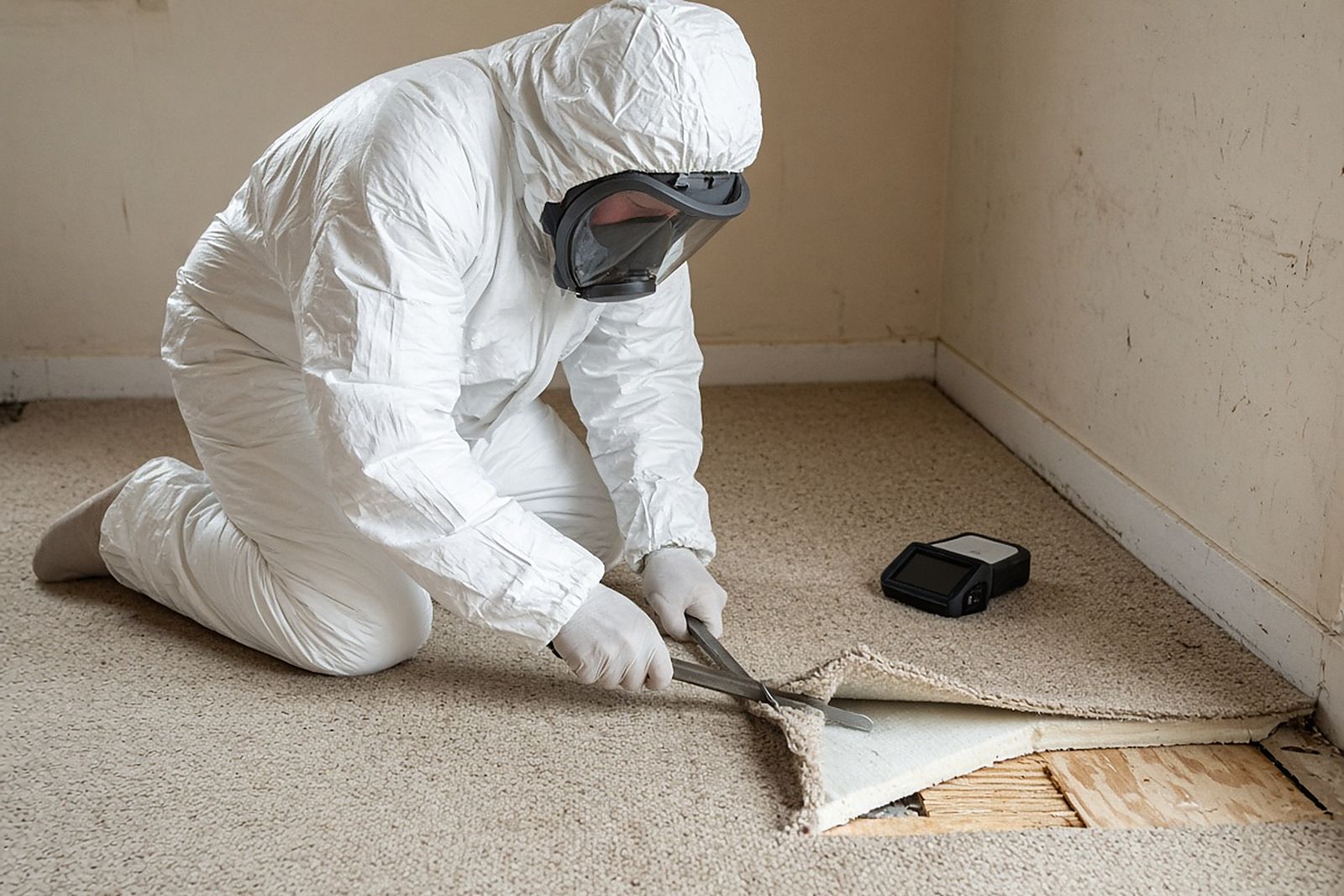
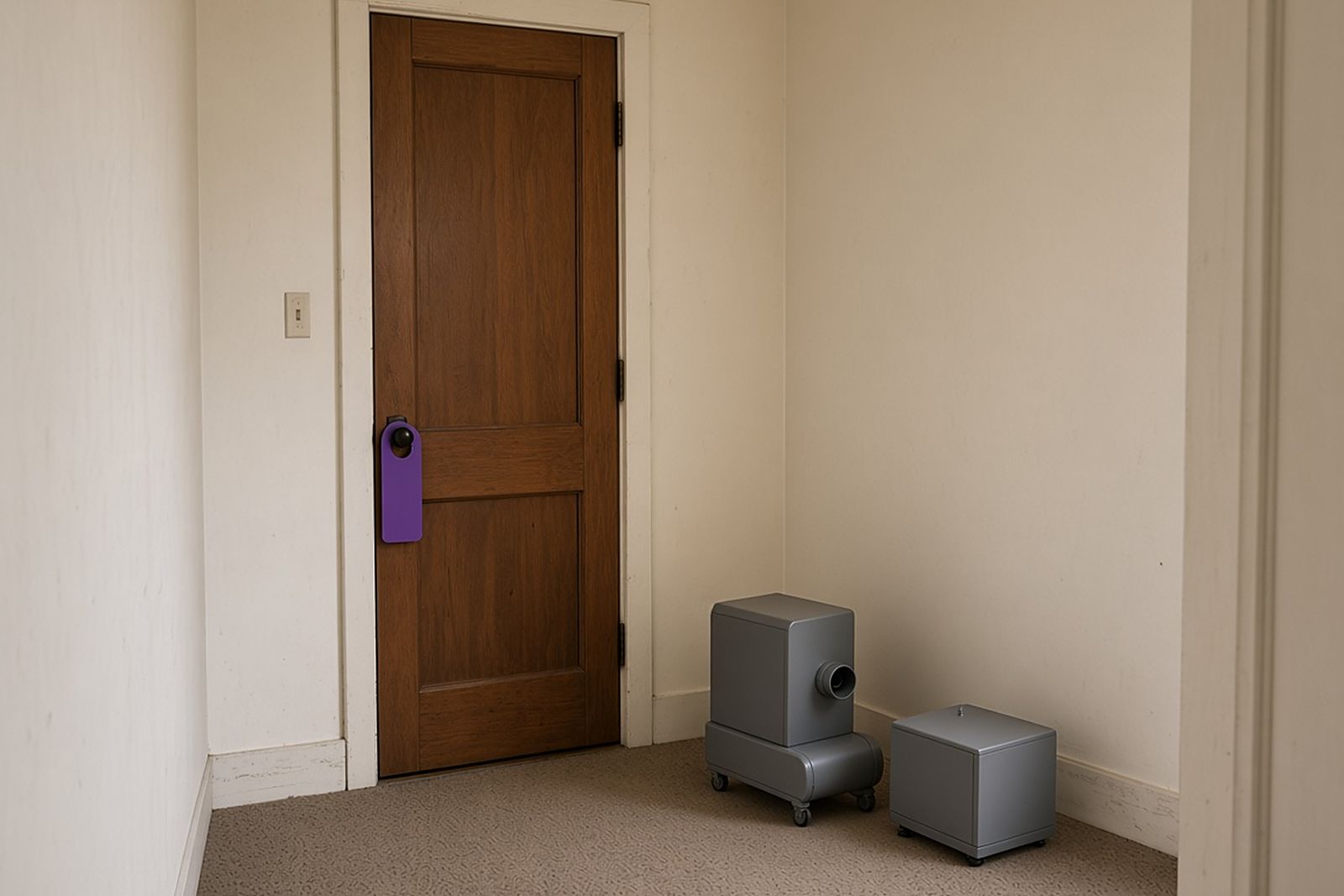
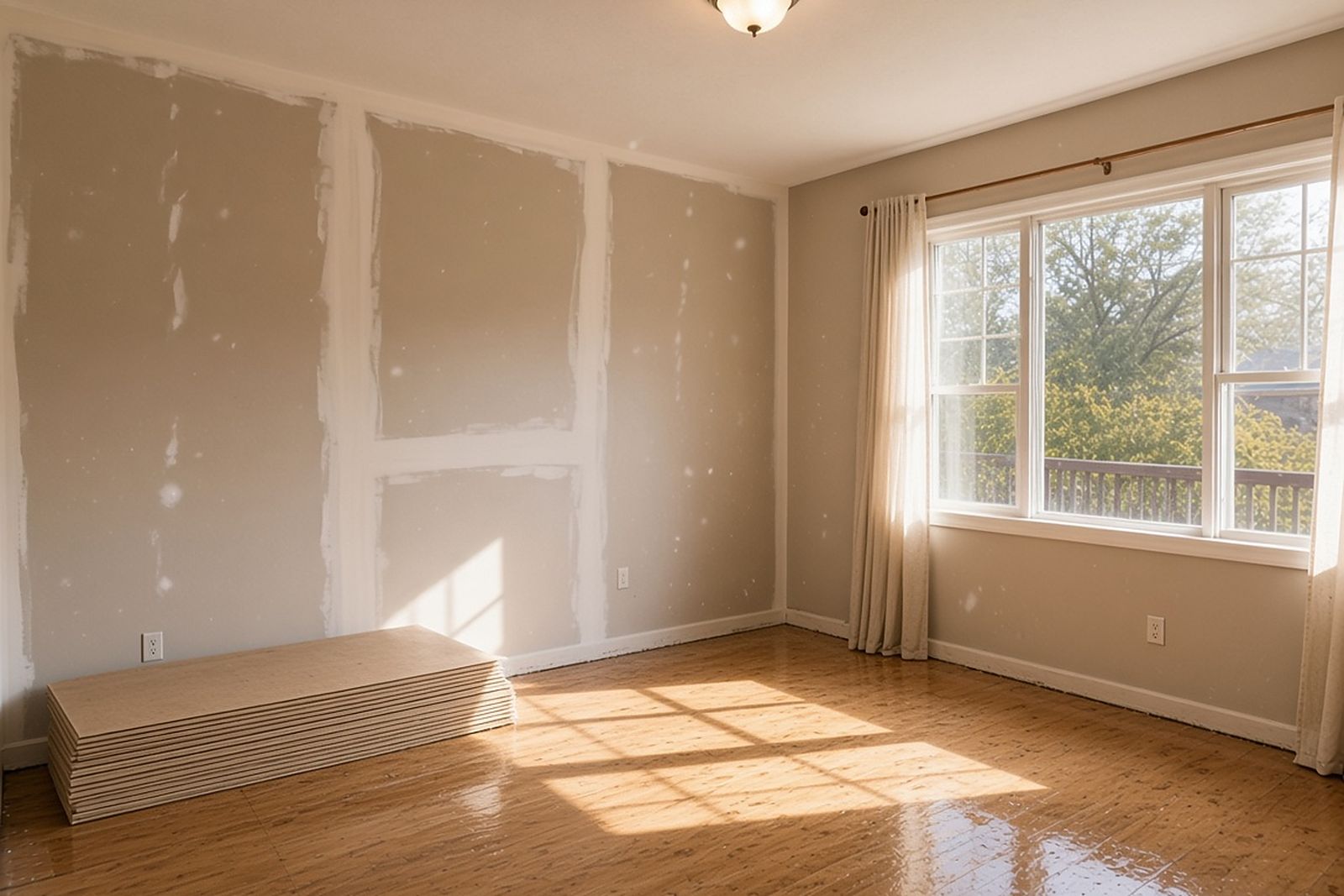
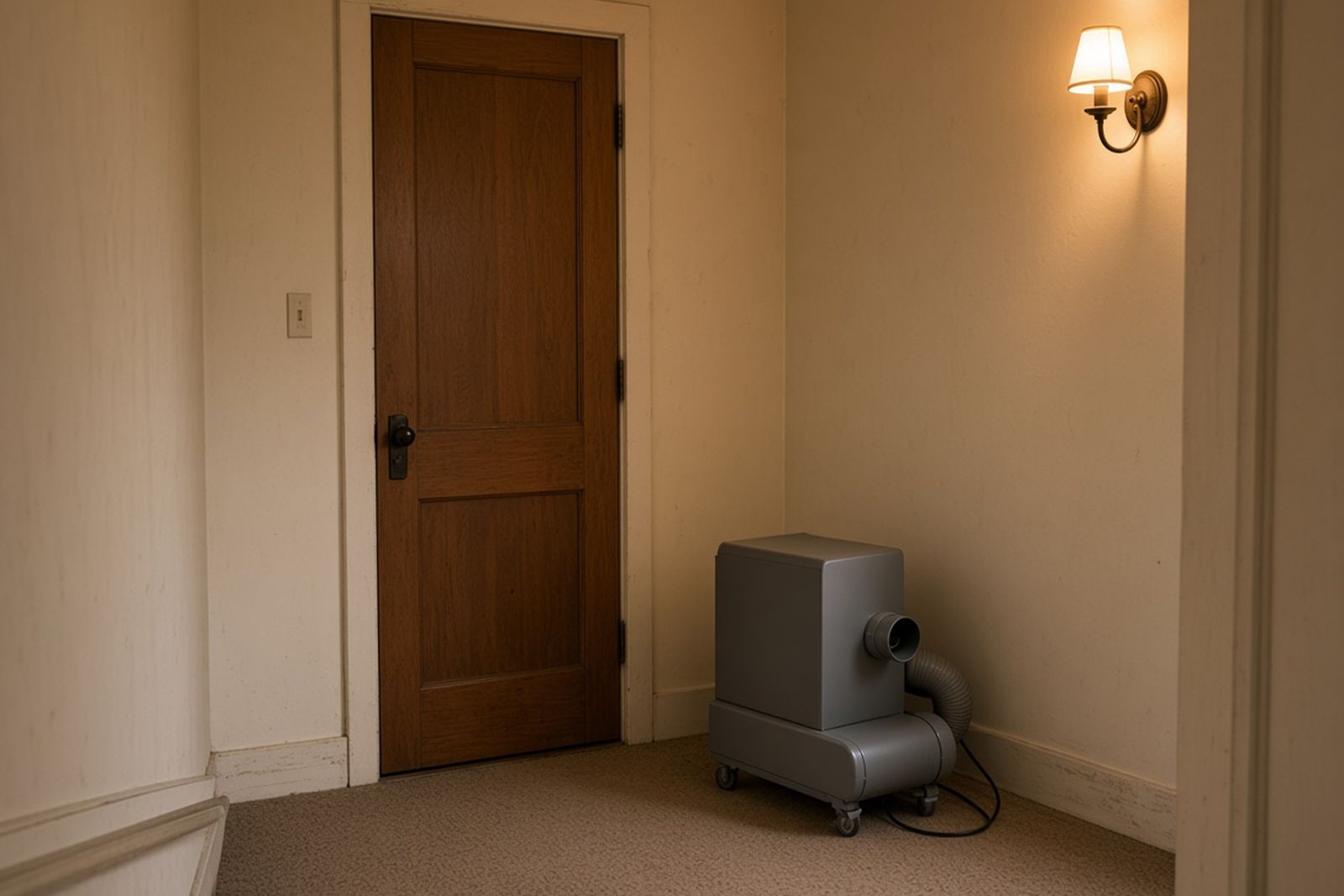
Valley summers often pass 100 degrees. Closed, air-conditioned homes trap odor chemicals. Dried residue can turn to dust when disturbed during tear-out, so the area must be sealed with care and HEPA scrubbers run in the right order. Winter tule fog and damp spells flip the problem. Moisture lingers after wet cleaning and the removal of soft materials. On a mild Delta-breeze evening, some families throw every window open. That dilutes the odor for an hour or two, but the soaked pad keeps making more. Insects around sunny windows are common in empty tract rentals. Floating vinyl put in during remodels can hide fluid that spread wide with little staining on top.
The Sacramento County Coroner and city police must release the home first. Next, landlords, estate representatives, and sometimes public-agency property managers should agree on what to keep and what to throw out. Bungalows with alley access can load from the rear for privacy. Apartment halls need protected paths up and down. Shade trees and porch life mean neighbors notice when staging drags on. Keep records that work for insurance and probate. Write down any heat or fog that affected dust control or drying checks, so these inland factors show up in the claim file.