How do Portland ADUs make it harder to know who approves cleanup?
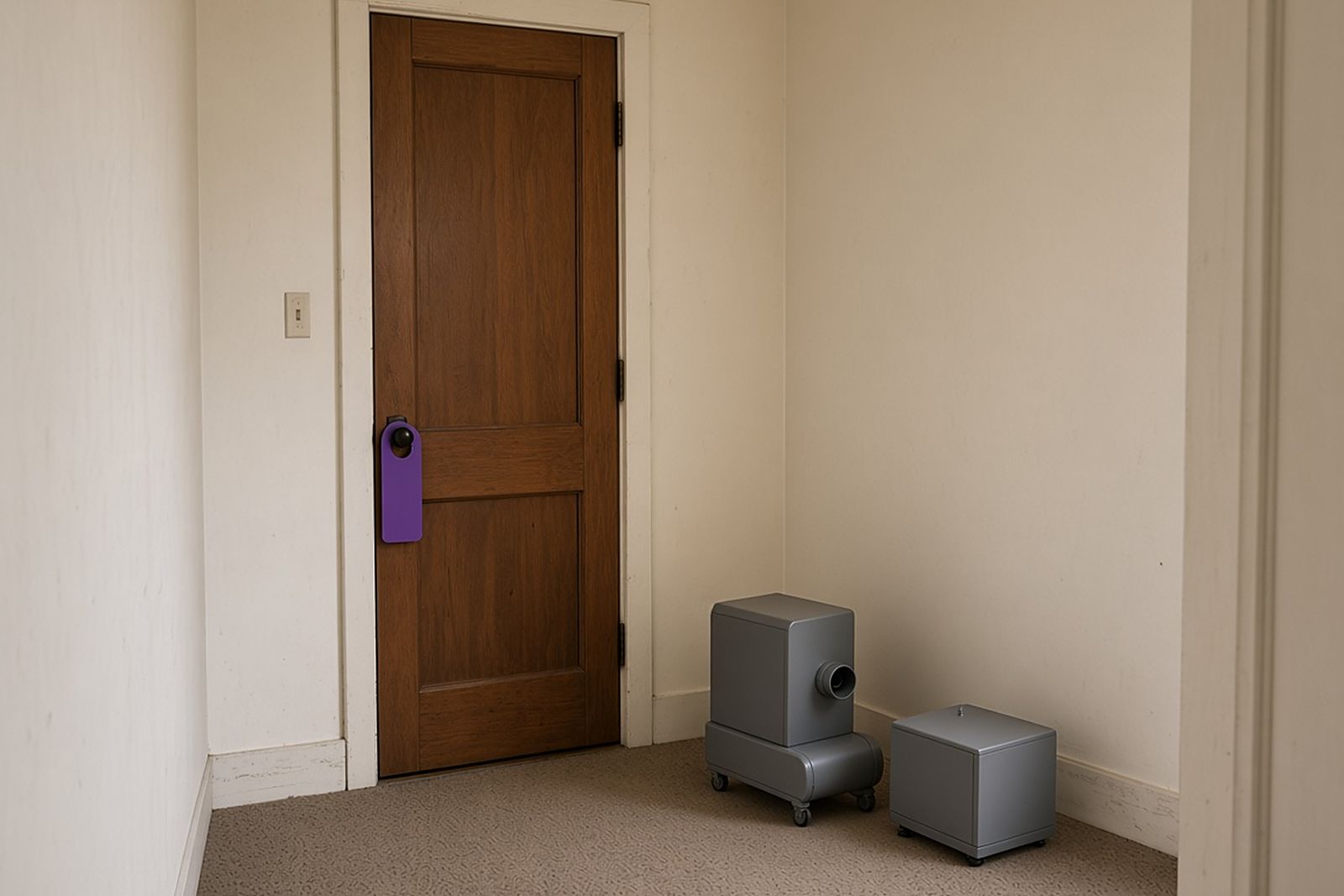
A death in an ADU may involve a tenant, the owner of the main house, and an estate. Each may care about different things, like speed, cost, and what to save. Noise, waste paths, and shared yards affect the other household even when the mess itself stays sealed off. Confirm in writing who may approve entry and tear-out before any floor is opened. Check whether the main house's air system or laundry connects to the ADU. Record the decisions for both parties. Clear ADU authority keeps a job from stalling when one household objects to where the dumpster goes or what gets thrown out. Make a simple shared calendar for noisy work and waste pickup that both households agree to. It eases tension when an ADU loss disrupts the main-house family's sleep and use of the yard.
Why do porch totes keep causing smell after a late discovery in Portland?
Rainy weather pushes people to move clothes and blankets onto a covered porch fast. If that fabric touched fluid or heavy vapor, a sealed plastic tote traps the odor chemicals and moisture. When someone opens it later, the smell is strong. Insects may be sealed inside too. A good check lists every porch tote and decides, with the estate's input, what to save and what to toss. Do not run porch fabric through a shared laundry. Finding these totes keeps a home from smelling clean inside while a bin outside keeps the problem going. Label each tote as either review for saving or discard before it comes back into the cleaned rooms. Clear labels stop grieving family members from carrying untreated fabric back into a room that was just cleaned.
What drying standards matter most in Portland's climate after soft materials come out?
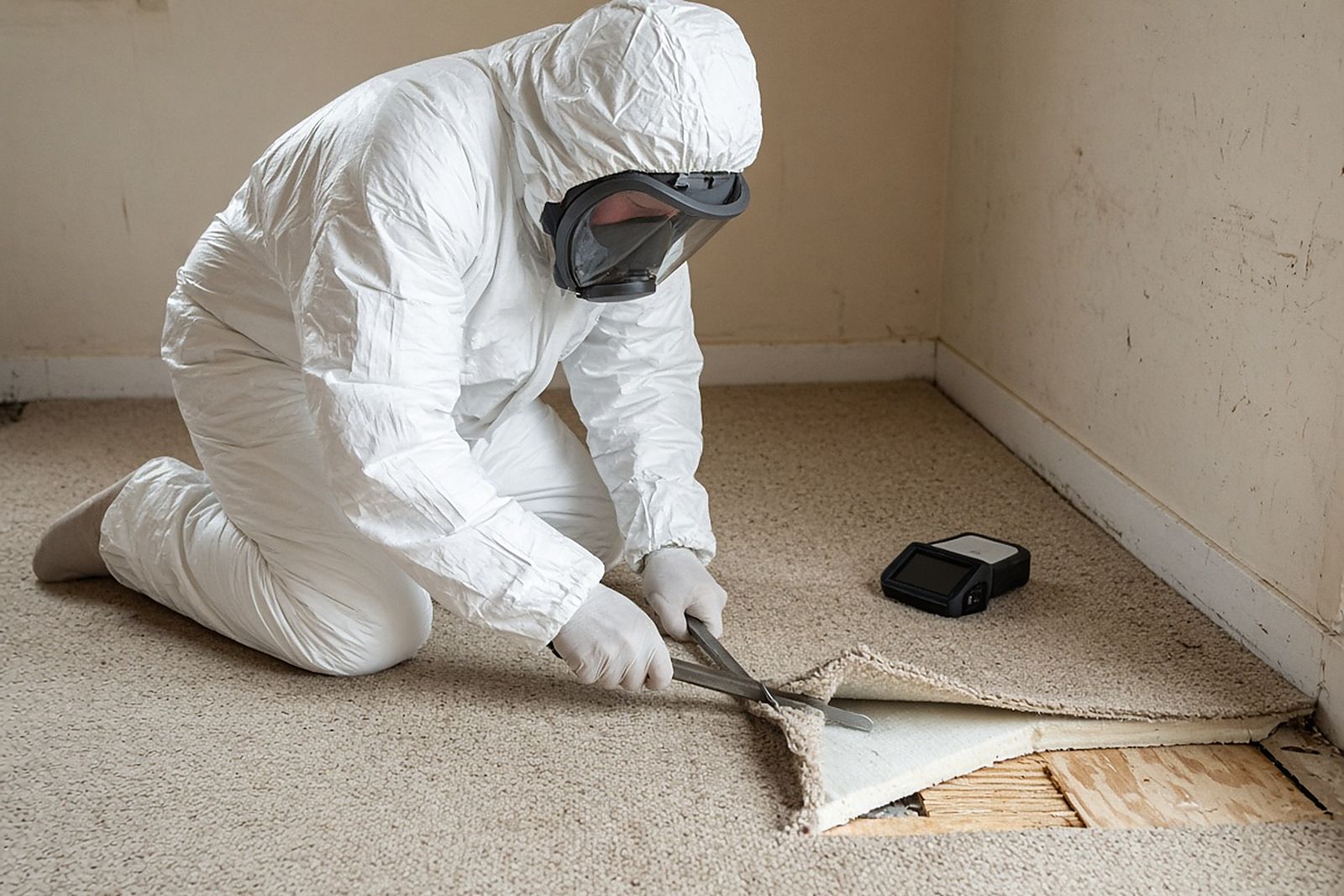
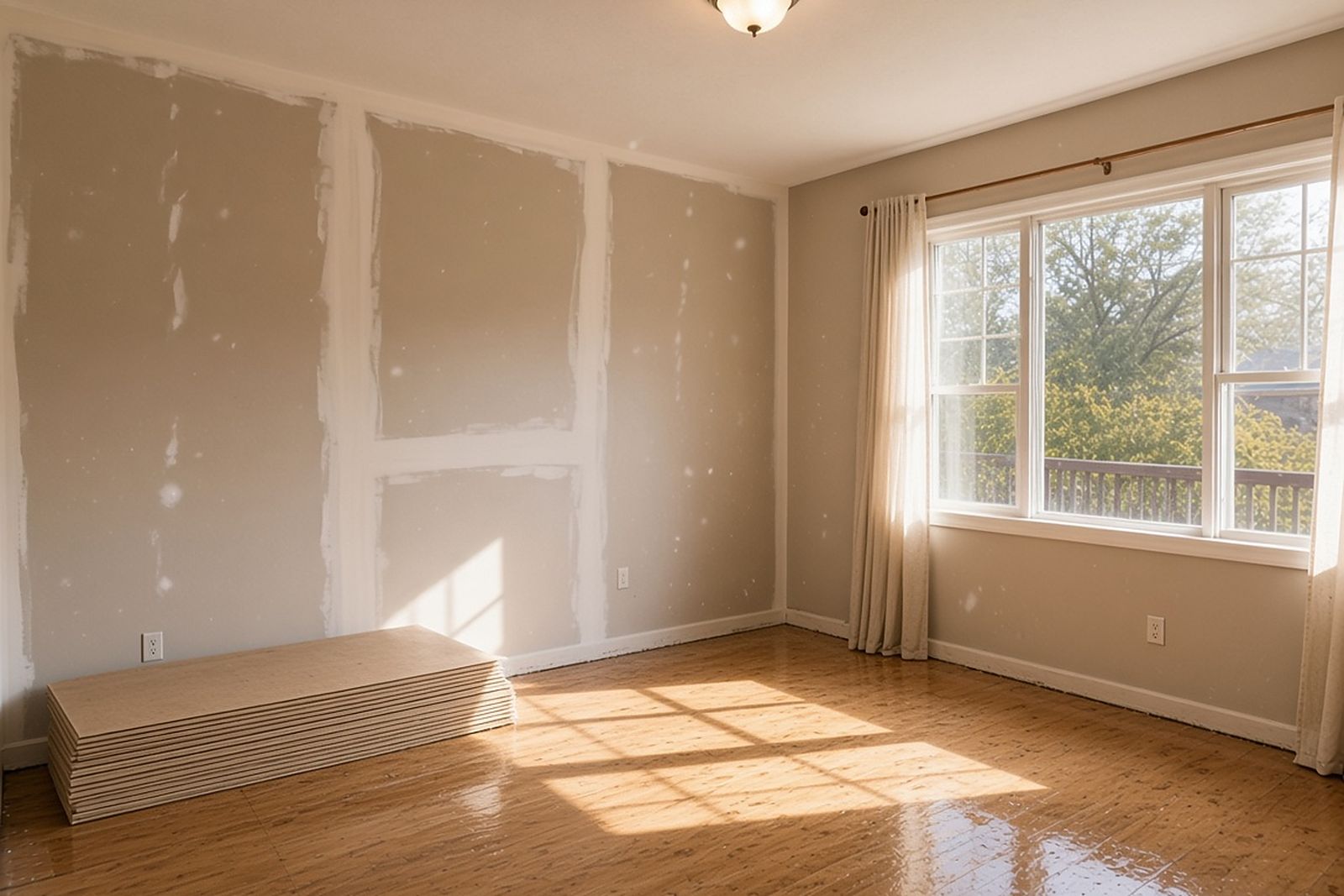
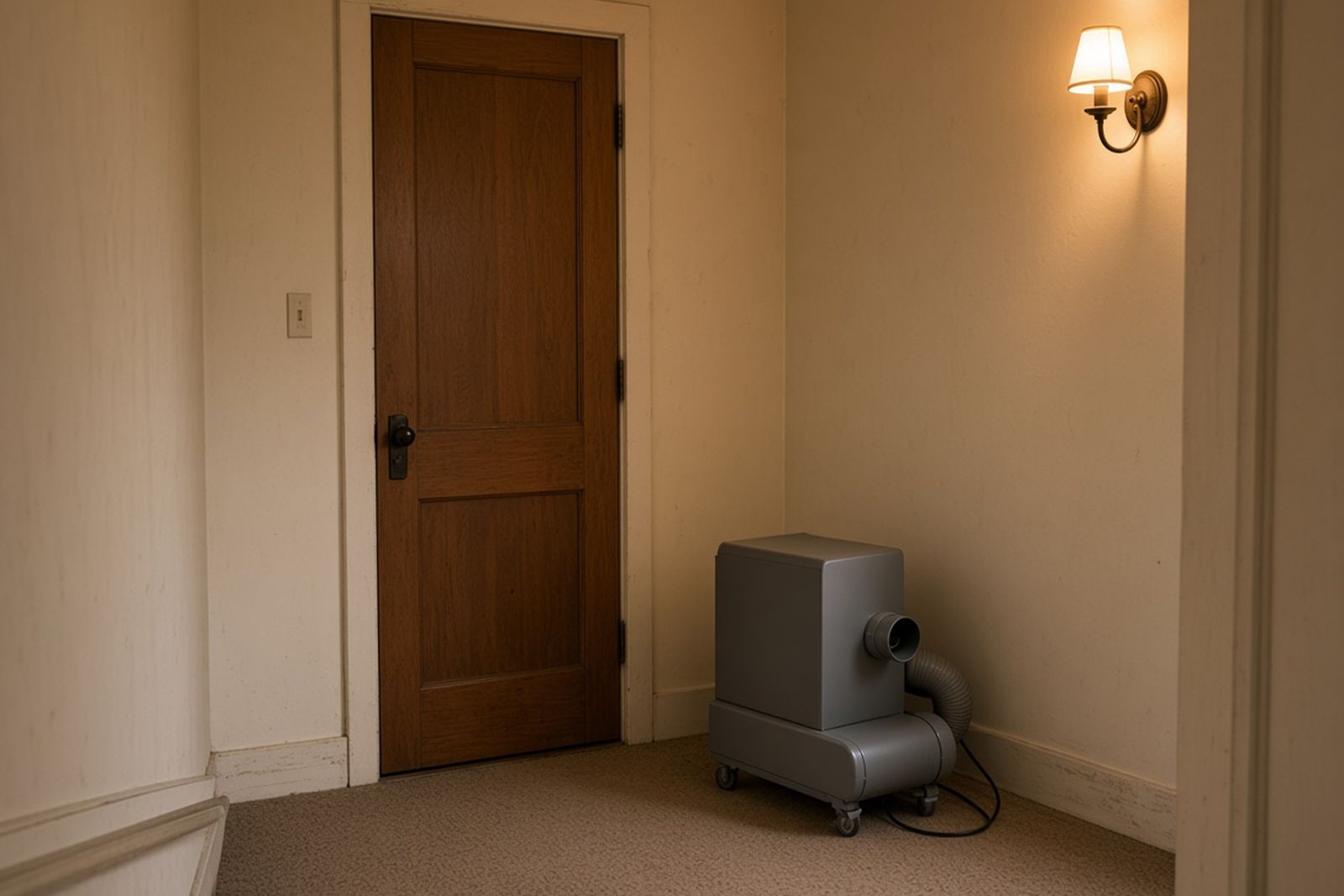
Because it is so damp outside, open walls and floors can soak up moisture again if no one controls the drying. Use moisture meters on the framing and subfloor that remain. Keep filtered, dry air moving, and wait on new finishes until readings reach normal dry levels. New vinyl over damp plywood is a common failure that brings back both smell and mold. Share the readings with landlords who are eager to re-rent. EPA moisture pages back up the idea that drying is part of the cleanup, not a cosmetic extra. Drying that respects the climate protects the rebuild from failing fast. Rely on recorded meter readings, not a busy landlord's sense that it smells dry enough. Meter-based sign-off is how jobs in wet places avoid floors that fail once the rain returns.
How should a load-out be planned along sidewalks and bike lanes in close-in Portland?
Street parking and busy bike lanes leave little room for messy staging. Soaked materials must be sealed before they leave the unit so nothing drips on the sidewalk. Use covered carts, stage for a short time, and keep walking paths clear for safety and dignity. Time the work to avoid crowds on streets where porches face each other. Photograph the protected routes in case insurers ask later about any outside damage. Careful planning on public walkways keeps a private loss from becoming a public health issue and a spectacle. If a short sidewalk closure is needed for safety, use only the city's lawful process. Keep the closure as brief as a sealed load-out allows. That protects people walking by without turning a private cleanup into a long street scene.
When should crawl-space insulation come out after an unattended death upstairs in a Portland home?
Remove insulation when it is stained, wet, soiled, full of insects, or still smelly after the upstairs sources are gone. Clean, dry insulation far from the spot may not need to come out. But guessing without a look is risky. Record the condition with photos and moisture notes before pulling it, so the estate understands the change. After removal, deal with any damp framing and smell in the soil as the evidence shows. Letting the evidence decide balances health and cost in craftsman homes, where crawl spaces are common and dampness is constant. After the insulation is out, smell again at the hatch before closing the crawl space. That way no missed pockets are sealed in. A quick recheck at the hatch is cheap protection against a return visit caused by one forgotten batt.
Who gives the go-ahead to start cleanup at a Portland address?
The Multnomah County Medical Examiner covers the city of Portland. The office works with Portland Police when they are involved. Wait until the scene is released before cleanup starts. Nearby suburbs may be in Washington or Clackamas County, so confirm the county first. Next, the owner, landlord, or estate representative should approve entry and disposal in writing. This matters when an ADU or shared house involves more than one household.
What should happen with a shared basement laundry in a Portland fourplex?
In older Portland plexes, several units may share a basement laundry, storage area, or boiler room. If fluid or odor reached the floor of the unit above, check the basement ceiling right below it. Keep other tenants' belongings away from the work area. Close the laundry for a while if needed. Tell tenants only about access times and closures. Clean or remove any shared items that were exposed before the space opens again.