Direct answer
The short answer for New York, NY
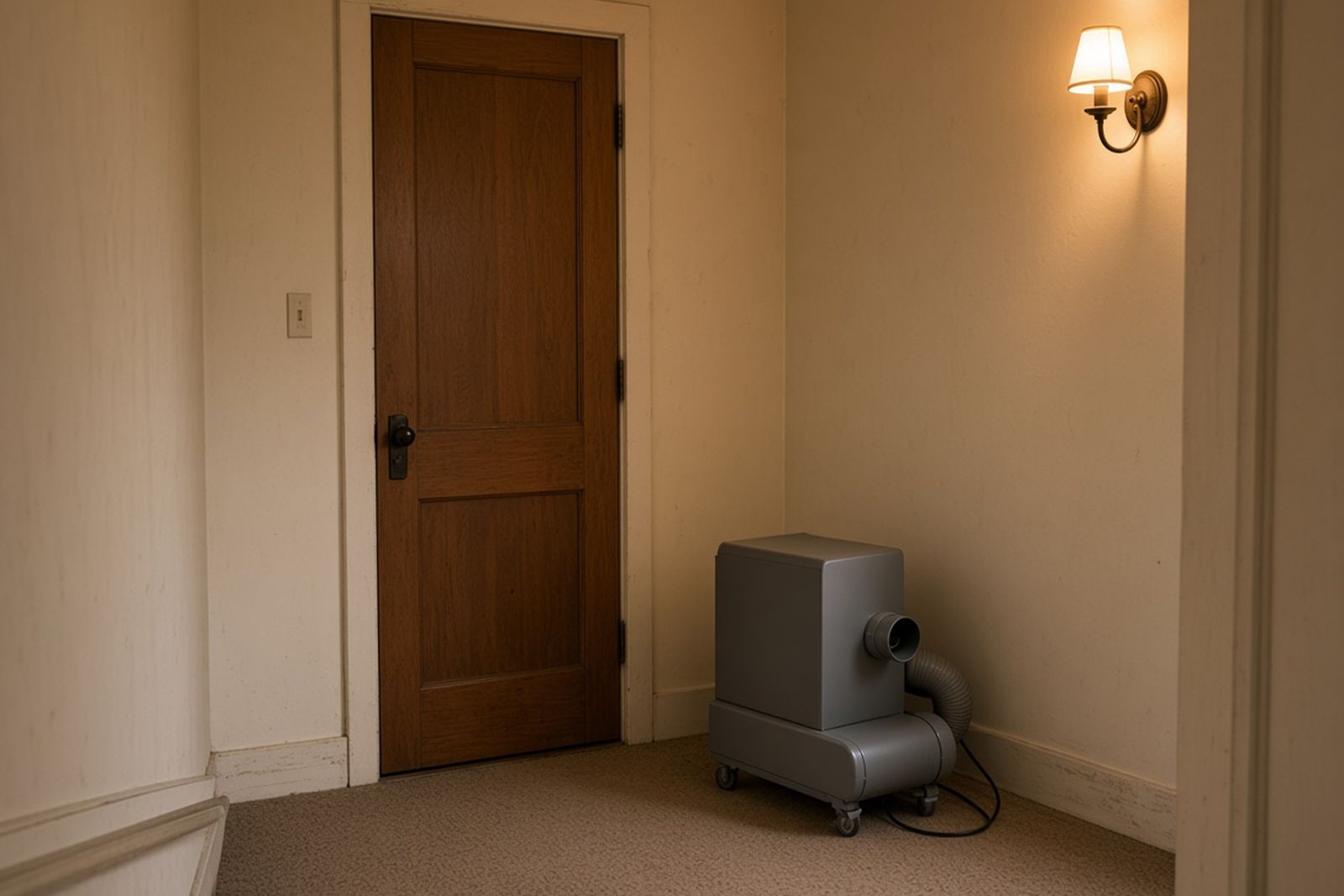
About 8,340,000 people live in New York City, in a vertical mix of tenement walk-ups, prewar elevator co-ops, condo towers, and loft conversions across five boroughs. When a death is found late in a sealed apartment, body fluid spreads through layered floors. Steam heat or summer cooling pushes the smell into shared halls.
Editorial guide · Biohazard Remediation NetworkUpdated 2026-07-22Location focus: New York, NY
Local planning context
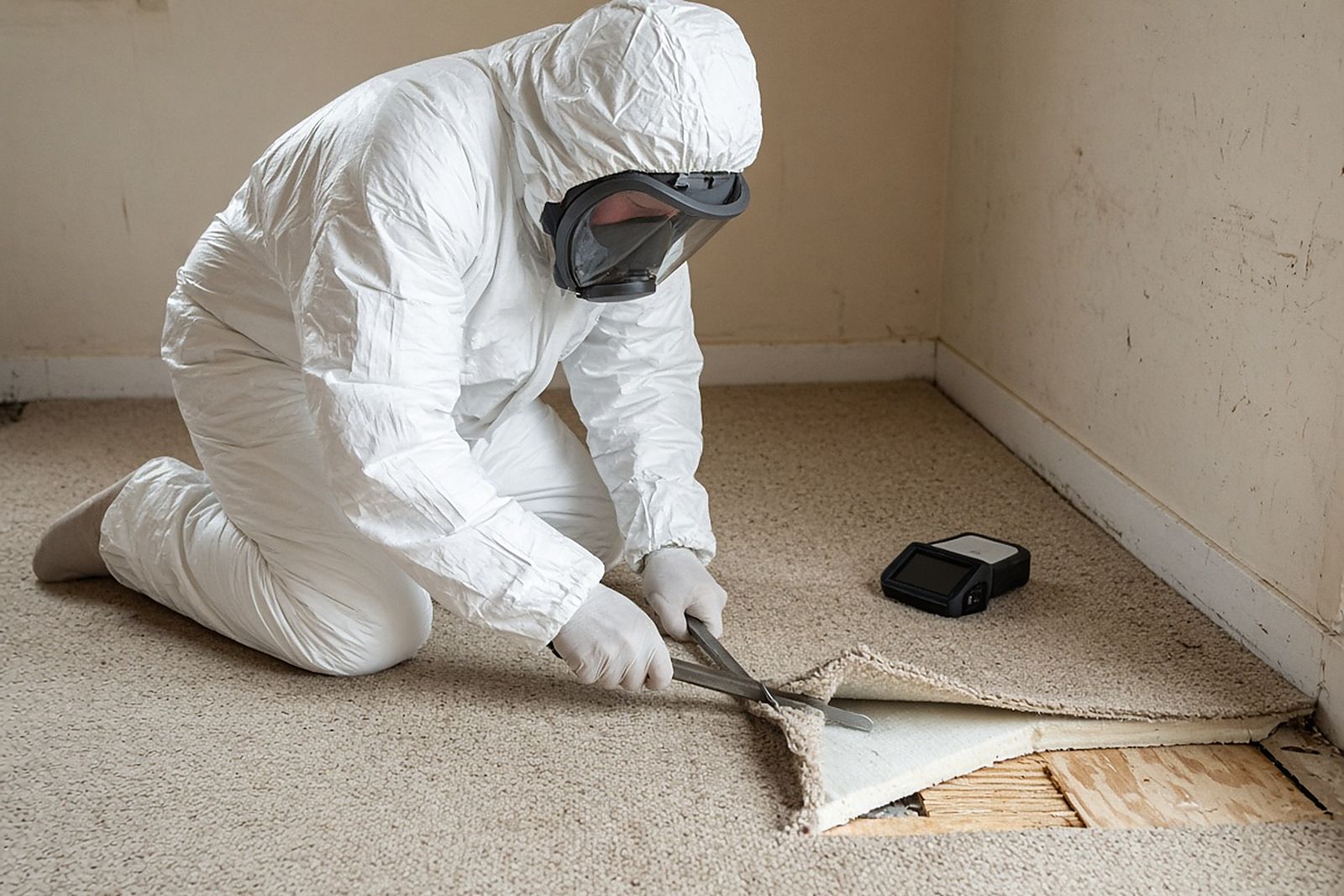
Soiled materials rarely leave through a private driveway here. They share stairs, passenger elevators, sidewalk sheds, and curb lanes with strangers. Built-in closets, old dumbwaiter shafts in some prewar buildings, cast-iron radiator covers, and decades of layered flooring hide fluid that a surface wipe will never reach. Planning starts with who may sign for work that touches a co-op unit or a condo's shared areas, not with a painting schedule. Each borough differs in access. Brownstone stoops, elevator towers, and garden apartments each set their own path for bags. But the way fluid soaks into soft materials is the same everywhere.
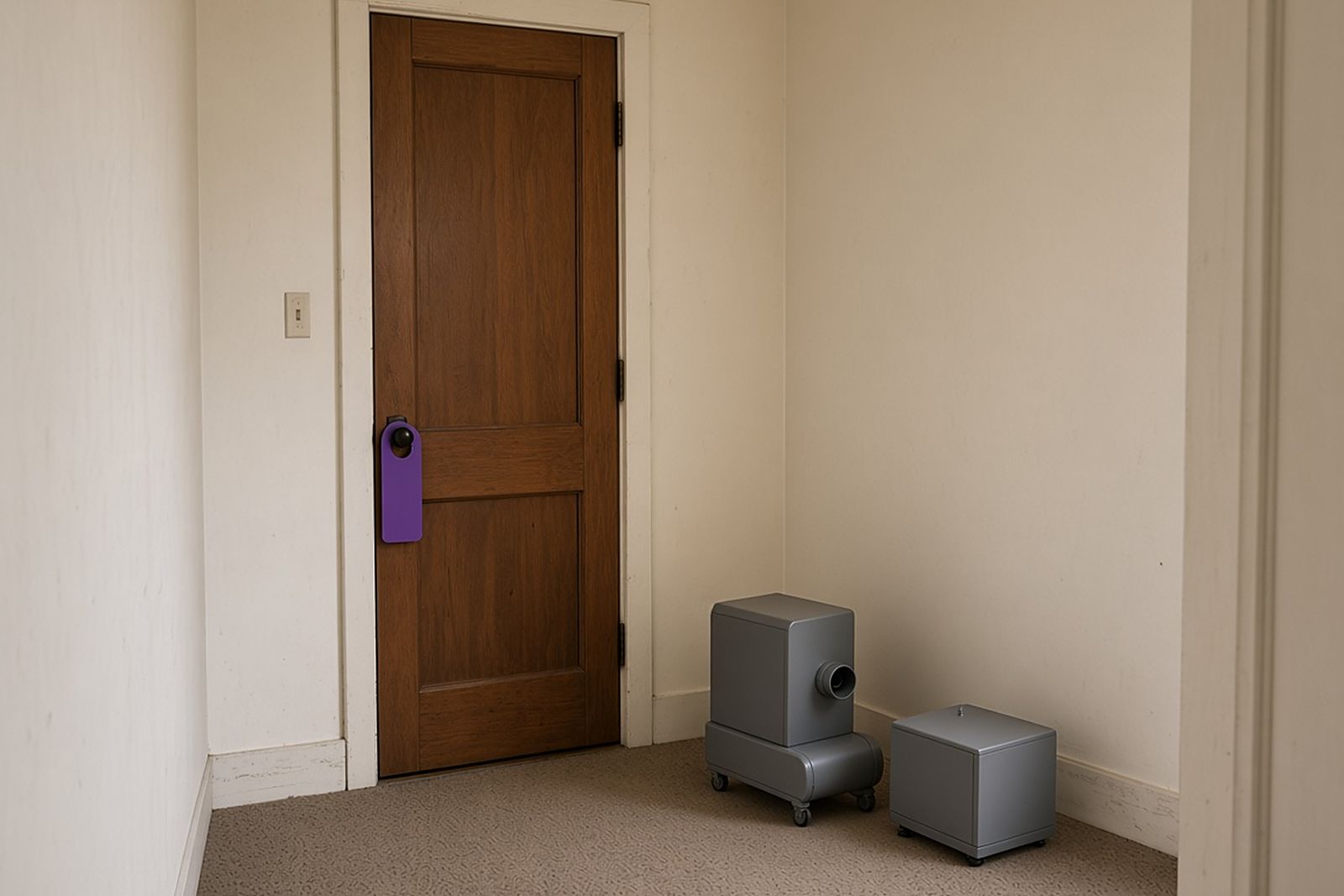
In a city this crowded, privacy is a planning problem. Court windows and air shafts put the neighbors' kitchens a few feet away. Doormen and package rooms see every cart. Tourist and school rush hours on the sidewalk expose any stoop load-out. Freight elevators, when a building has them, need booked times and padding. Without freight, protected passenger cars and moves at quiet times are the only path that works. Keep compactor rooms and cellar bike cages off the dirty route. Opaque sealed bins, quick curb transfers, and notices that give only hours and closed floors protect dignity while the source is removed.
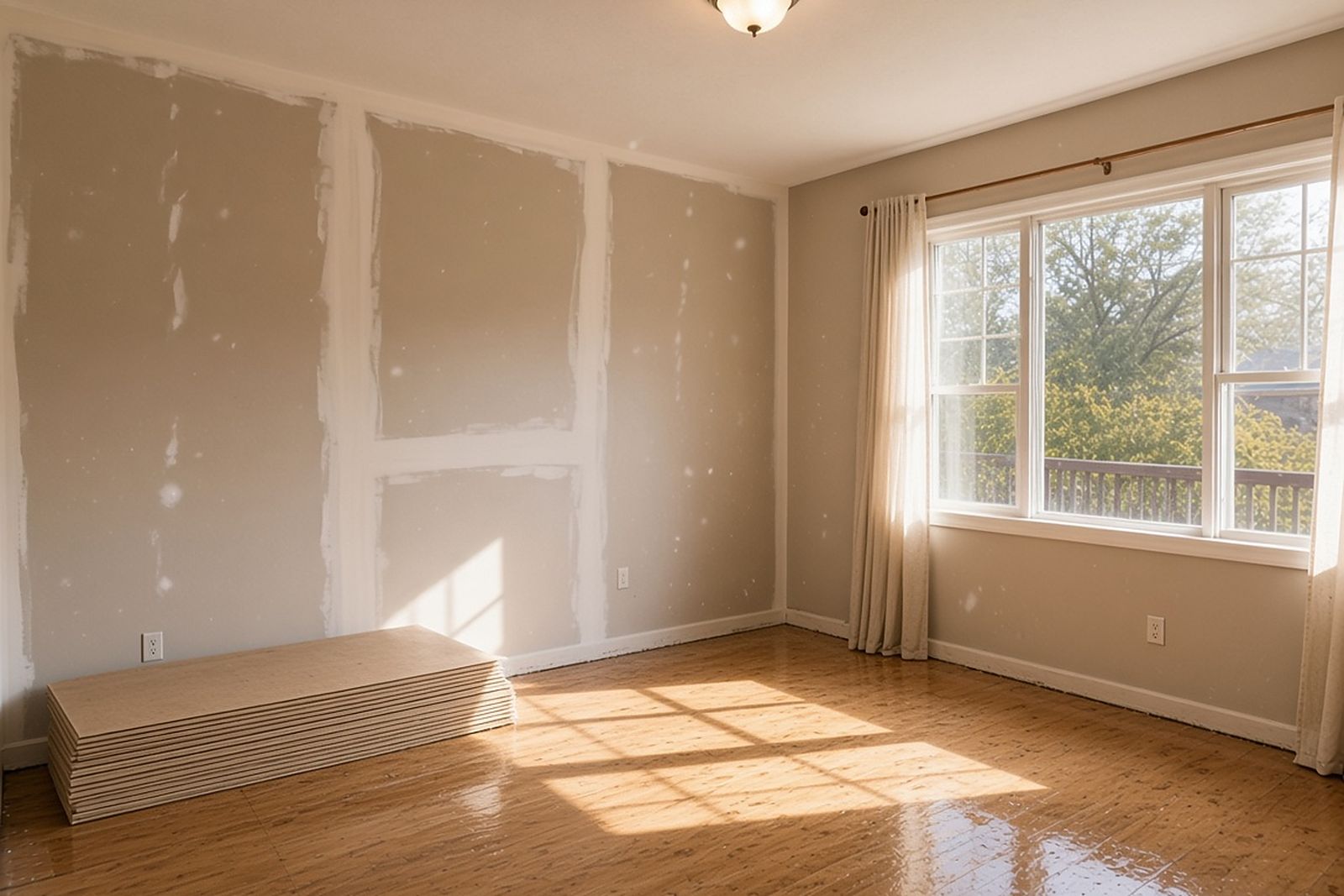
The New York City Office of Chief Medical Examiner and any police hold control when work on the property may legally begin. After release, the paper trail usually includes a shareholder or deeded owner, a managing agent, a board, an insurer, and sometimes an estate lawyer. The NYC Department of Health and Mental Hygiene offers city public health resources. Photograph the apartment and the shared path before any protection goes down. List the soft items thrown out apart from the surfaces disinfected in place. Winter steam heat dries the air differently than humid summer weeks with sealed windows, so check for real dryness. Keep the biohazard work separate from any later renovation under the building's alteration agreement.