Direct answer
The short answer for Malibu, CA
In Malibu, coastal homes, canyon lots, guest houses, and vacation rentals each shape a late discovery. Climate control that keeps the house sealed, salt air that wears on finishes, and hard access roads all affect how soaked materials come out and how the smell is handled.
Editorial guide · Biohazard Remediation NetworkUpdated 2026-07-22Location focus: Malibu, CA
Local planning context
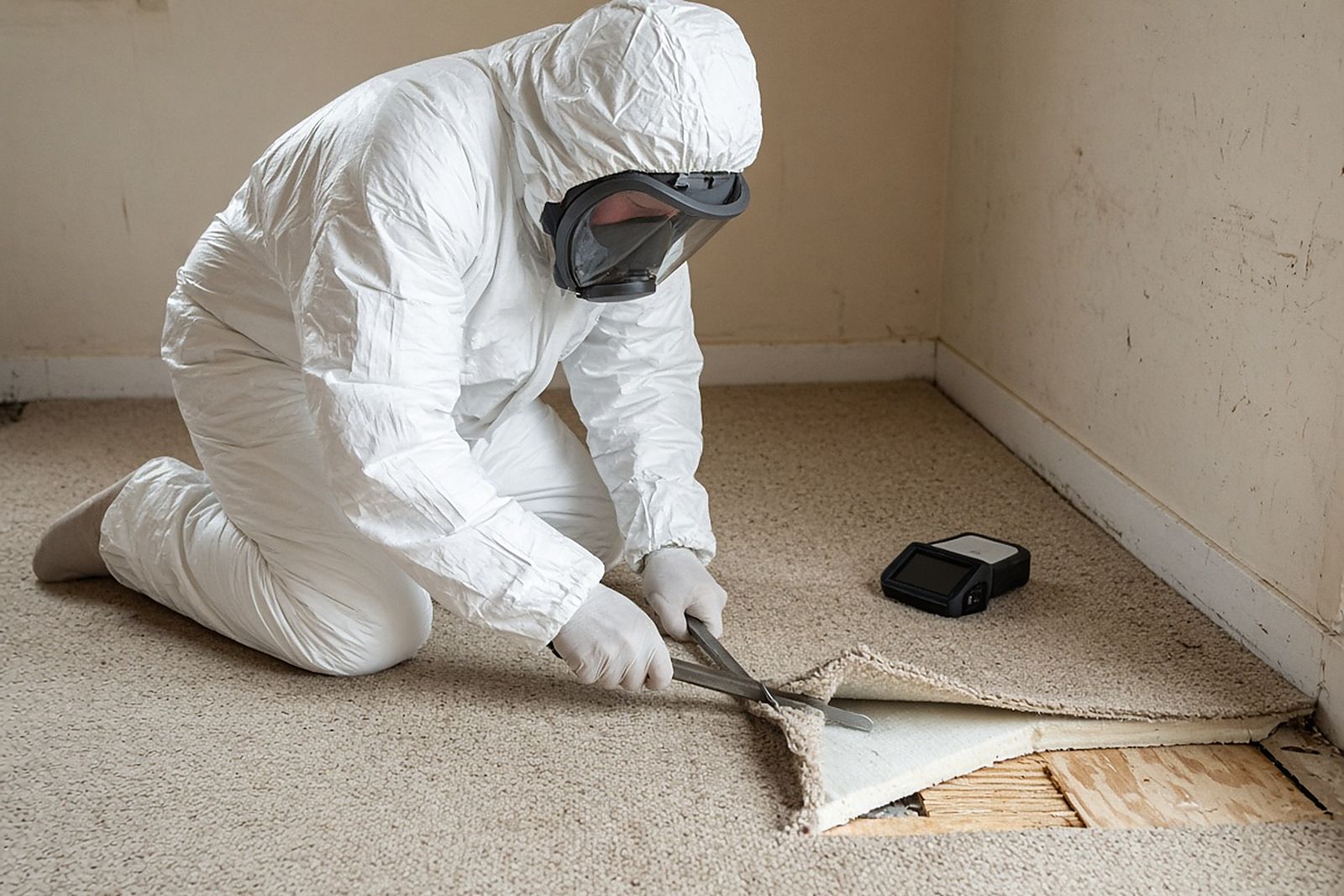
Coastal and canyon properties often pair a main house with guest casitas or caretaker units, where a resident may have had little daily contact. When a death is found late, after missed check-ins or unpaid service bills, fluid may have soaked the carpet, rugs, and wood underlayment. Meanwhile, the ocean-facing doors stayed closed against wind and salt air. In big, spread-out floor plans, the air system cycles the smell through long duct runs. List every building someone lived in on the property before any tear-out starts.
Steep driveways, private gates, and tight truck turnarounds limit staging. Soft goods moved to garages or outdoor storage to air out become a second source of smell in the damp sea air. Flies on the sunny glass of an empty Malibu rental often mean a long gap before anyone came. Families sometimes open all the sliders on a mild afternoon. Without removing the source, the breeze only thins the smell for a while and can push odor chemicals into wings that were clean.
Along the coast highway and up the canyons, the county Medical Examiner and Sheriff's deputies clear the scene before anyone else starts. After release, owners, vacation rental managers, and estate representatives should write down who approves throwing things out. On scenic roads, privacy means covered waste and careful timing, not publicity. Build a picture log that an insurer and a probate court can both follow. Then the health-related tear-out is not confused with later remodel choices, since salt-air wear is already part of the house's history.