Northeast · US

Unattended Death Cleanup Planning in Great Neck, New York

Planning unattended death cleanup in Great Neck, NY

Great Neck and Nassau cleanup planning: County Medical Examiner release, drip paths in Sound-facing homes, co-op freight rules, and estate records. This is planning guidance, not a claim of a local office or crew in Great Neck.

Get an email reply about unattended death cleanup

Send a short message to the follow-up inbox. A coordinator can reply by email. This form does not send emergency help; call 911 first if anyone is in danger.

Tell us what you need help with. Share a short description; please leave out medical details, access codes, and other sensitive information.

A request does not confirm a booking. For immediate danger, contact local emergency services.

Or email info@prompartybuses.com

Direct answer

The short answer for Great Neck, NY

Great Neck sits on a North Shore peninsula in Nassau County, with about 11,000 people. Multilevel houses facing the Sound, colonials at the village edges, and co-op towers with freight rules each shape how long a death may go unfound and how bags leave. Release on this peninsula comes from Nassau County's examiner, which this page walks through. It also covers drying in shoreline humidity, co-op planning, estate paperwork, and privacy during the school week. Nothing here promises a Great Neck office, a named crew, or a set arrival time.

Editorial guide · Biohazard Remediation NetworkUpdated 2026-07-22Location focus: Great Neck, NY

Local planning context

Homes on the peninsula split into three kinds. There are multilevel houses facing the Sound with dens below, inland colonials on tighter lots, and mid-rise co-ops that run on freight schedules. A resident living alone may be found only after a missed school pickup or an unpaid maintenance bill. Body fluid wicks through the pad, and the humid shoreline air slows drying later compared with drier inland Nassau tracts. Before anyone suggests a wipe-down, decide whether the risk is drips in a Sound-front house or odor in a co-op hallway. Also note whether the lot sits on a steep slope that could send fluid toward a sunroom.

Work on a single-family home needs room to turn in the driveway and checks of the lower level. Co-op work needs booked freight, lobby protection, and respect for quiet hours. Unit doors propped open with wet mattresses inside spread odor into the halls. Building storage rooms become a second source when fabric ends up there. Flies at windows facing the Sound often mean a longer gap. Floating floors hide a soak that spread sideways. Seal the area, map the moisture, and remove the soaked materials. Then think about extra air treatment.

The Nassau County Medical Examiner controls legal holds on the North Shore. Neither the city's examiner nor Suffolk's has a role on the peninsula. Families and co-op boards should agree in writing on belongings. Keep biohazard scopes apart from remodel bids. Moisture charts that name the lower den or storage lockers help Nassau insurers see why the cut lines grew.

Property considerations

Suites facing the Sound need drip checks in the den and sunroom below.

Co-op freight times and lobby protection must be booked before sealed bags go out.

Building storage lockers often hold bedding that was moved. List what is in them.

Shoreline humidity stretches out drying. Meters beat a guess from an open window.

Quiet-hour rules may limit noisy tear-out in mid-rises.

Remodeled stone baths can hold odor in the joints after wiping.

Sidewalk traffic during the school week calls for opaque carts and curb moves at quiet times.

Thick carpet on wood subfloors hides a soak that reaches past the mattress outline.

Response-planning framework

Clear the Nassau examiner and get the board's approval to enter

Wait until the Nassau County Medical Examiner or police have released the home before lifting any flooring. Collect the estate's approval and, for co-ops, letters from the board or management. Record the freight dock or driveway limits. Photograph the doorways before soft goods move.

Pick drip mapping for Sound-front homes or hallway controls for co-ops

On shoreline lots, check the lower dens first. In co-ops, close off the returns and protect the halls. Lift the flooring past the stains, check the bath joints if wet rooms were involved, and list what is in the storage lockers before calling the indoor work done.

Stop sealed-up air from moving between zones

In co-op towers, the super can shut off the unit's air so the smell does not reach the hallway. Do not point fans at wet pad. Duct work comes up only if the co-op hallway still smells afterward.

Hand over records ready for the Nassau estate and board

Record each item removed and each item saved. Cosmetic work for the Great Neck home gets its own bid. When the floors are dry, list the repairs for the builder.

Documentation checklist

  1. 1Nassau examiner and police release date
  2. 2Estate sign-off, plus the co-op managing agent's letter for tower units
  3. 3Notes on freight or driveway staging and quiet-hour limits
  4. 4Photos of stains, soft goods, lower dens, bath joints, and storage lockers
  5. 5Readings for the bedroom floor and the den below it
  6. 6List of soft materials removed
  7. 7Record of how the returns were closed off
  8. 8Signed choices on what to save and what to toss
  9. 9Great Neck waste receipts, if any, with the punch list for rebuild trades

Official resources

Questions for this location

Which office releases a North Shore Nassau home: New York City's or the county's?

The Nassau County Medical Examiner. The city examiner handles only addresses inside the five boroughs, not Great Neck. The Suffolk County Medical Examiner covers many East End towns farther east. Confirm Nassau's clearance before tear-out. After release, co-op boards or estates still control entry and what is saved.
What freight rules matter most in co-op buildings?

Book dock and elevator times in writing, protect the lobby finishes, and use sealed carts. Quiet hours may limit noise. Neighbors only need dates and elevator times. Estates may need a short window to pick what to save before disposal. Good planning protects neighbors while the source is removed inside.

Why check the lower dens in houses facing the Sound?

Bedrooms often sit above dens and sunrooms. The den below can be affected even if it looks untouched. Moisture checks prevent a bedroom-only job that leaves pockets of smell behind. Record clean findings for insurers as carefully as problems.

Can stone baths be wiped clean after fluid reached the joints?

Not reliably. Stone takes odor into its pores and joints, however bright the polish looks. Include moisture checks and a look at the joints. Some sections need to come out to a clean edge. Record what you find for the rebuild trades.

How should executors treat co-op storage lockers used after the death?

Treat the lockers as part of the work area. Photograph what is inside, keep wet fabric away from clean papers, and write down keep-or-toss choices. Leaving soaked bedding in a locker brings the smell back after the unit looks done. Put locker items on the same list as the unit's soft goods.

How can Great Neck families with religious customs guide the cleanup?

Some families have religious traditions about how belongings, clothing, or materials connected with a death are handled. Tell the crew about any customs before work begins, and involve your clergy if you wish. Crews can set aside specific items and wrap them with respect. They can give them to the family or funeral home instead of throwing them away. Clear written instructions help make sure your wishes are followed.

What should co-op neighbors in Great Neck be told during cleanup?

Share only practical facts: dates, work hours, which elevator or entrance will be used, and whom to contact with concerns. Do not share details about the person or the death. The managing agent can send the notice so the family is not burdened. If neighbors report a smell in their own units, pass those reports to the crew so shared walls or ducts can be checked.

Contact

Get help by email

Send a short message for an email reply about unattended death cleanup planning questions for the New York City area.

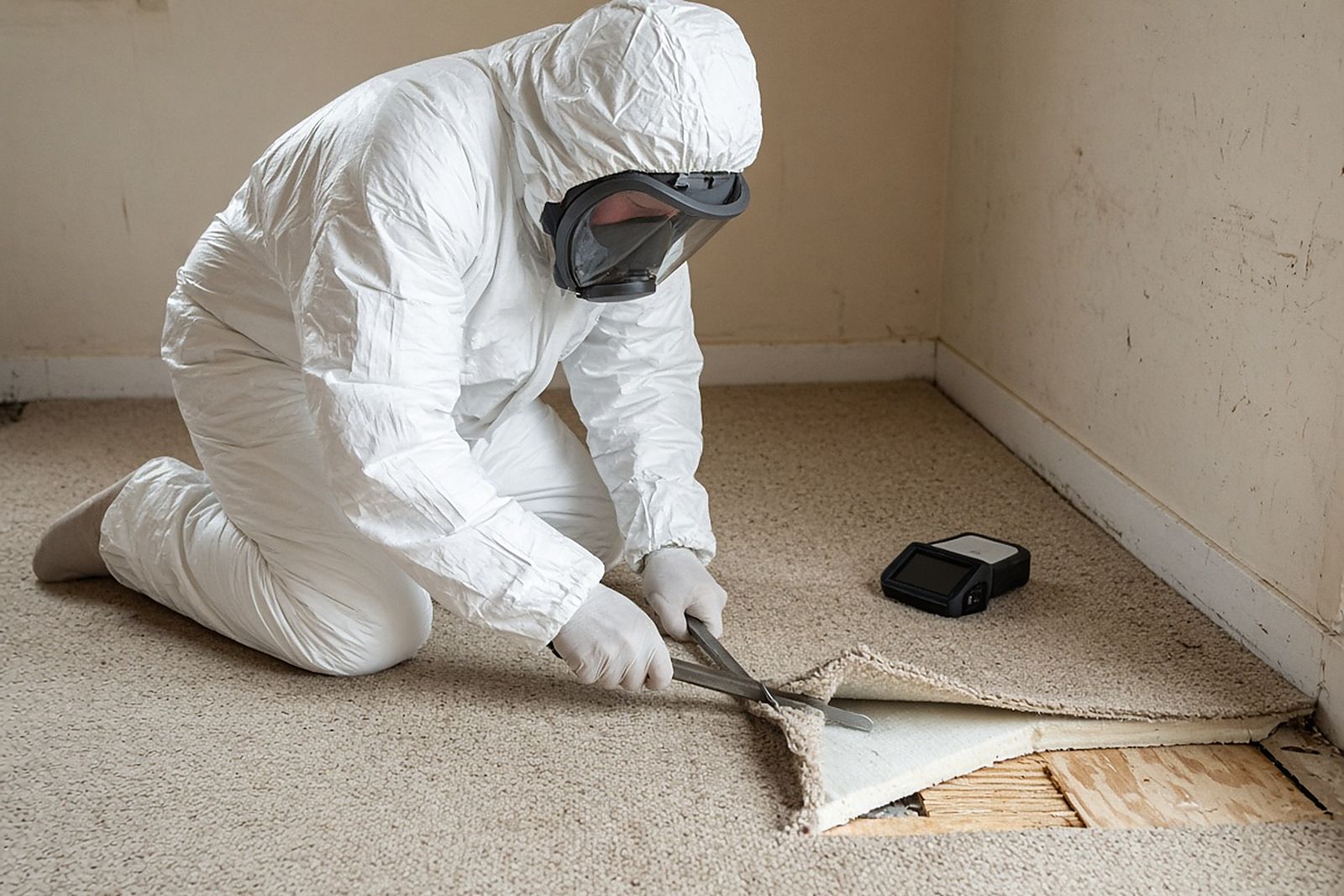
Technician in a full-face respirator cutting back carpet and pad to expose the subfloor
Illustrative photo, not a job record. Technician in a full-face respirator cutting back carpet and pad to expose the subfloor.
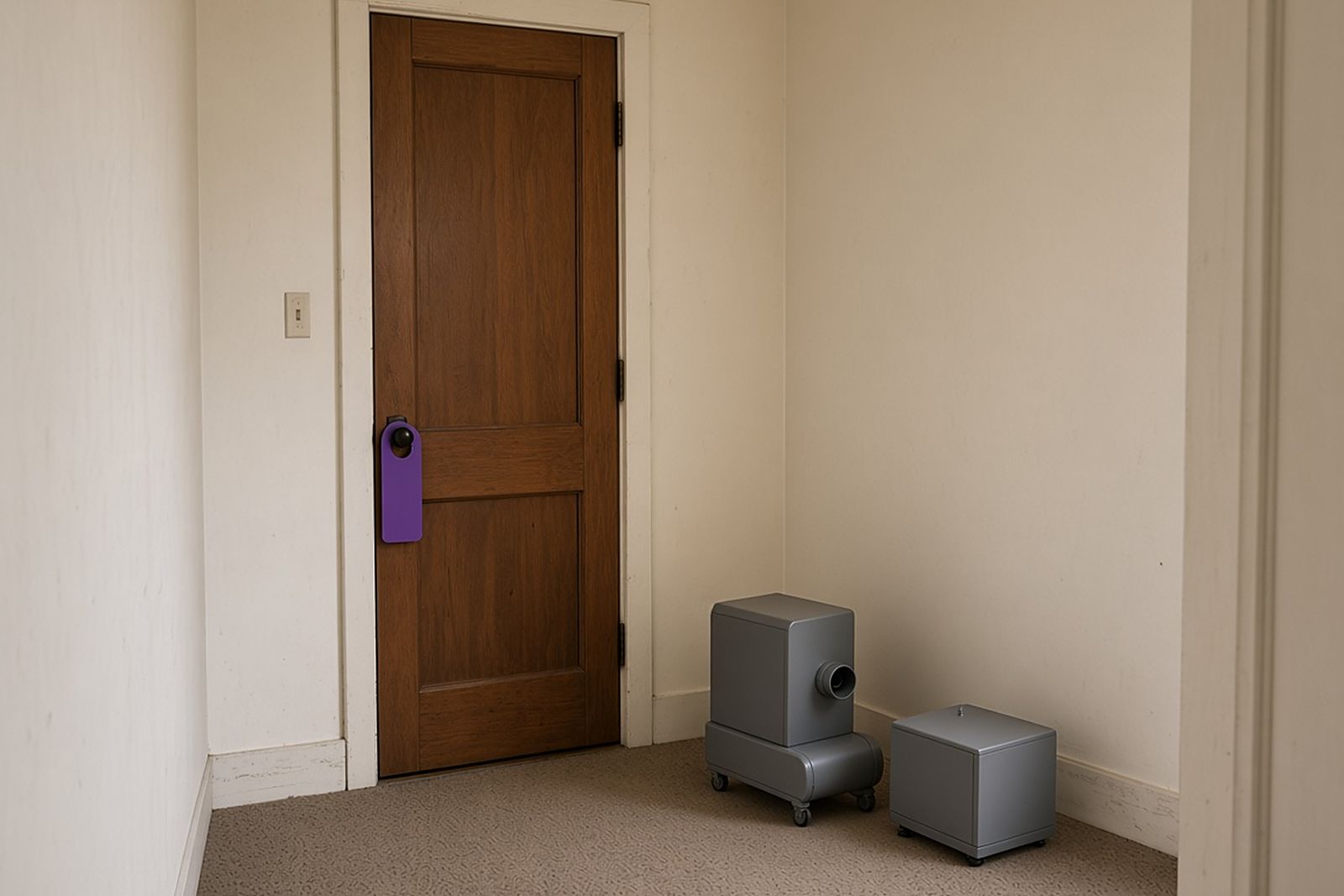
Air-filtration and odor-control units staged outside a closed door with a do-not-enter tag on the handle
Illustrative photo, not a job record. Air-filtration and odor-control units staged outside a closed door with a do-not-enter tag on the handle.

Unattended Death Cleanup figures to keep in mind

National and research figures, not Great Neck data. Local conditions, rules and providers vary; use these for scale and context only.

460

460 of 666 parents reported viewing their child's body in a formal setting.

Read with care: Observational; no causal effect established; item denominators differ.

Source: Omerov et al. (2014)666 Swedish suicide-bereaved parents; surveyed 2–5 years after loss.

57%

57% of FEP claimants had not known about that benefit beforehand.

Read with care: Historical benefit-service experience, not current entitlement; entirely proxy-completed applications excluded.

Source: UK Department for Work and Pensions et al. (2021)765 UK Bereavement Support Payment (BSP) and 764 Funeral Expenses Payment (FEP) claimants; January 2021 interviews.

3 days

Parchment-like skin desiccation (early mummification) was observed in indoor bodies as early as 3 days after death, with full-body desiccation from 18 days.

Read with care: Indoor temperature, humidity and airflow strongly affect the timeline.

Source: International Journal of Legal Medicine (peer-reviewed) (2023)Sweden, 102 indoor forensic cases, 2010-2019

These figures are public research and agency data, not this network's own job records. Keep each number with its population, year and limits; none of them predicts cost, timing or outcome at a specific property.

Plan before you reach out

Use the first 24 hours planner for immediate steps and the provider vetting checklist to confirm any Great Neck provider's training, insurance and waste path in writing.

What research has found

Findings from published studies of people and properties in situations like this one. They describe what researchers observed in a specific group; they are not predictions for your case.

Restrictions on touching could make relatives feel the body had become police property.
Who was studied: 80 UK adults bereaved by suicide or other traumatic death; interviews 2007–2008.Limits: Purposeful sample; themes are experiences, not population frequencies.Viewing the body after bereavement due to a traumatic death: qualitative study in the UK (2010)
Rehousing away from established contacts could increase isolation.
Who was studied: UK interviews: 14 bereaved people experiencing poverty and 15 supporting professionals.Limits: Small purposive sample; UK housing context; not current legal guidance.How does housing affect end-of-life care and bereavement in low-income communities? (2022)

Unattended Death Cleanup community polls

Poll results

Every count is a real visitor vote; nothing is seeded or padded. One vote per poll per device, and you can change your answer.

Your experience

As a landlord, how long would you wait for the tenant's family before arranging cleanup yourself?

No visitor votes yet
Process

Which part of an unattended death project would you find hardest to manage?

No visitor votes yet

Planning cleanup in Great Neck?

Send a short message about the property to the follow-up inbox. A coordinator can reply by email with next steps.

Your request is sent to the follow-up inbox. A coordinator can reply by email.

If anyone is hurt or in danger, call 911 first.