Direct answer
The short answer for Denver, CO
In Denver, brick bungalows with basements, newer apartment stacks, dry winter air, and freeze-thaw seasons all shape a late-discovery loss. Fluid can soak into subfloors and rooms below ground. Odor can move through boiler rooms or shared halls. Moisture problems can follow when snow melt meets drying that was never finished. This page is a planning guide. It covers the assessment, the paths through the air system and basement, working with the estate and landlord, privacy, and records. It does not make up local-only rules or claim that service is available.
Editorial guide · Biohazard Remediation NetworkUpdated 2026-07-22Location focus: Denver, CO
Local planning context
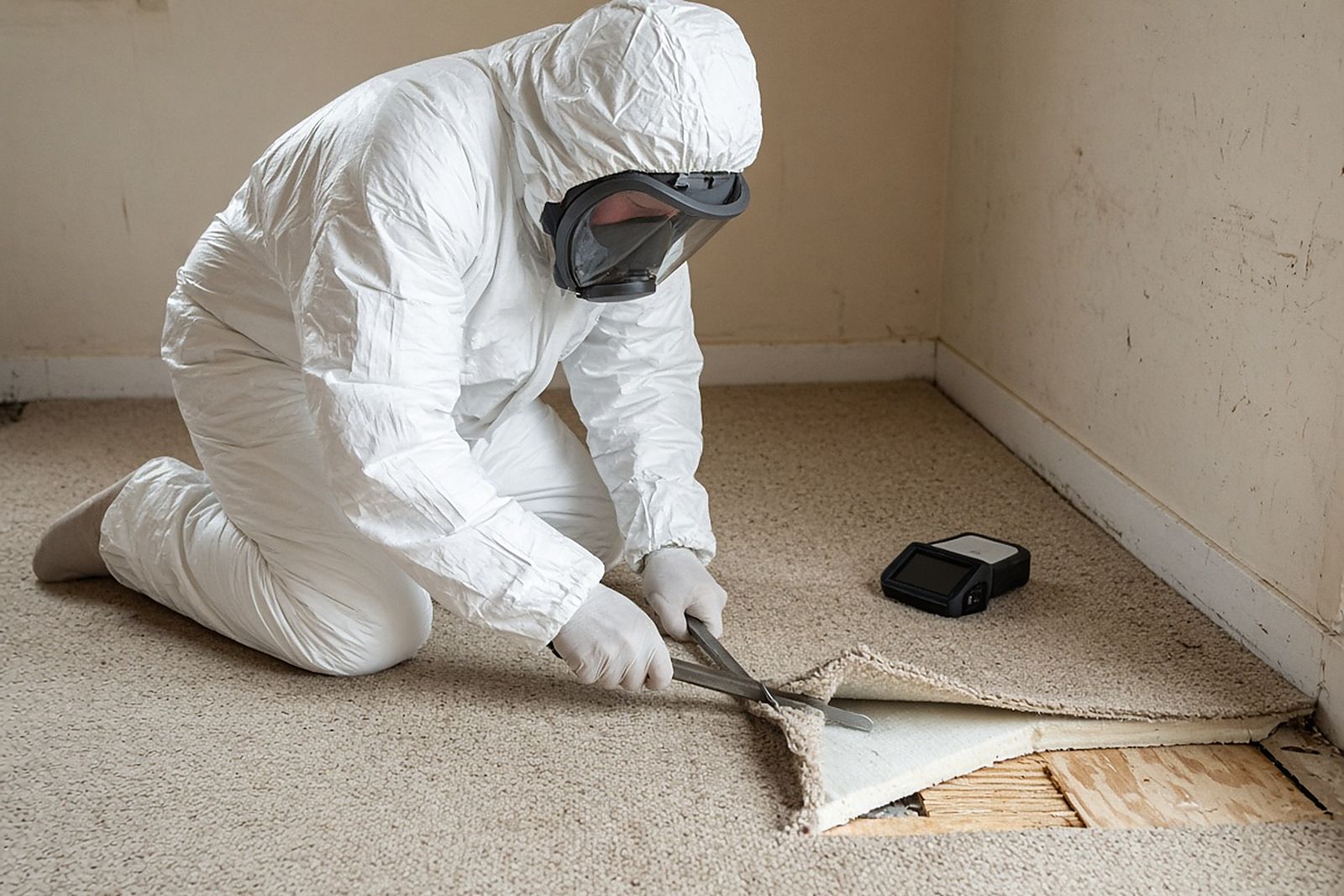
Older Denver neighborhoods have brick bungalows and Tudor-style homes with basements, radiators or boilers, and wood floors. Those floors can hide fluid that dripped through to the joists. Newer mid-rises along transit lines add elevator scheduling and shared trash rooms. A late discovery in a basement bedroom or a main-floor parlor can send fluid into places that other trades open later during a remodel. In winter, windows stay shut for weeks, and odor chemicals build up inside. Dry air outdoors does not save soaked pad indoors. Check the rooms below ground even when the person was found upstairs, if pipe chases or stair openings connect the floors.
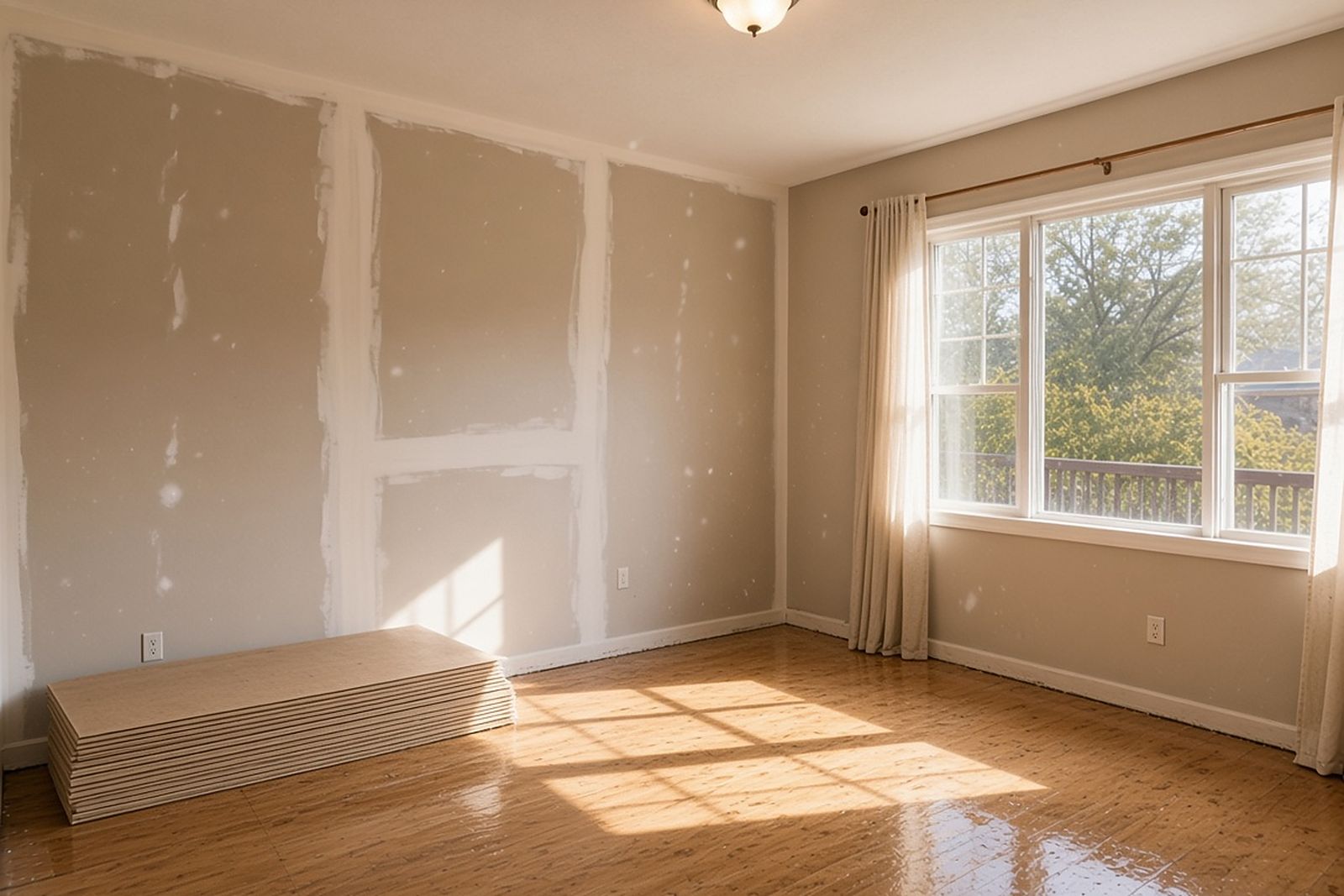
High altitude and a dry climate do not stop insects when there is fluid indoors. They also do not remove the smell from soaked materials. In small apartment buildings, boiler rooms, utility closets, and shared laundry can become paths for odor if doors are left open during do-it-yourself cleaning. After tear-out, freeze-thaw cycles matter. If openings leave wet materials exposed to cold nights without controlled drying, ice and rewetting can throw off the schedule. Families sometimes store belongings in an unfinished basement. Check those piles after an unattended death anywhere else in the house.
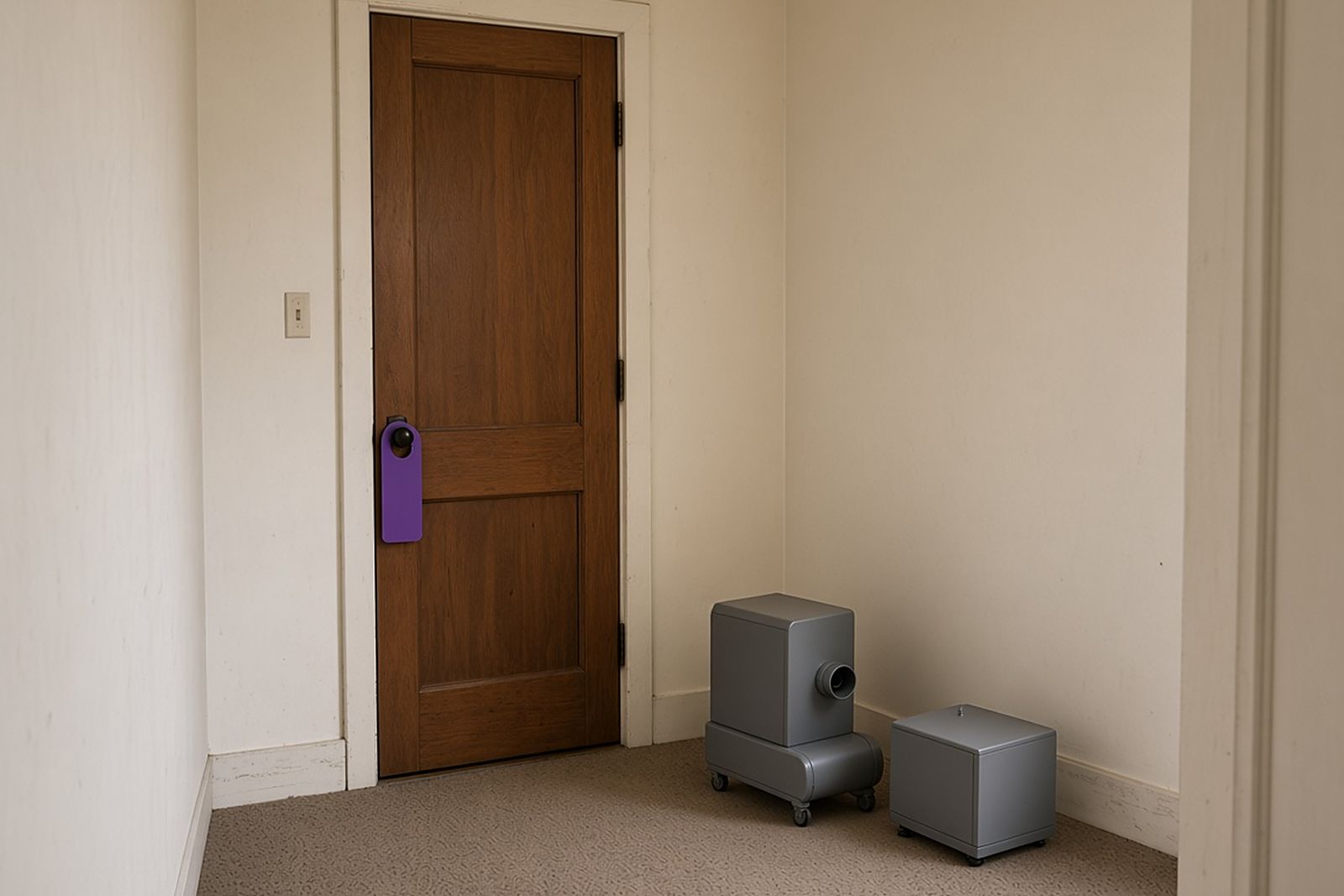
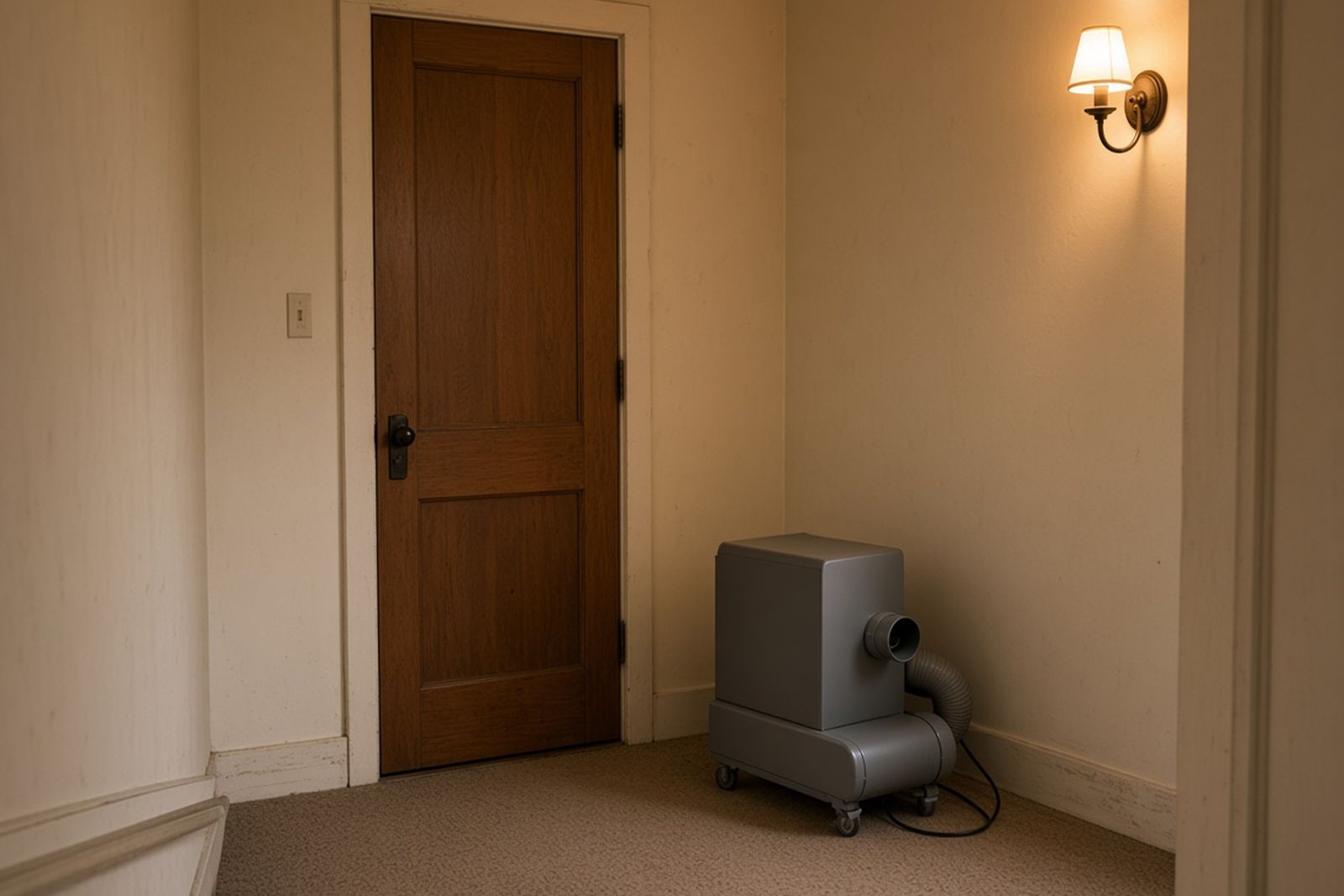
Cleanup waits on the Denver Office of the Medical Examiner, plus any police hold. Once released, write down every choice the estate and landlord make about belongings. Basement apartments and rental conversions are common in this market. On crowded city blocks, privacy means a covered load-out and quiet talks with neighbors. File the biohazard work in one folder and the remodel plans in another. Then owners will not mistake renting a hydroxyl machine for having removed the source.