Direct answer
The short answer for Dallas, TX
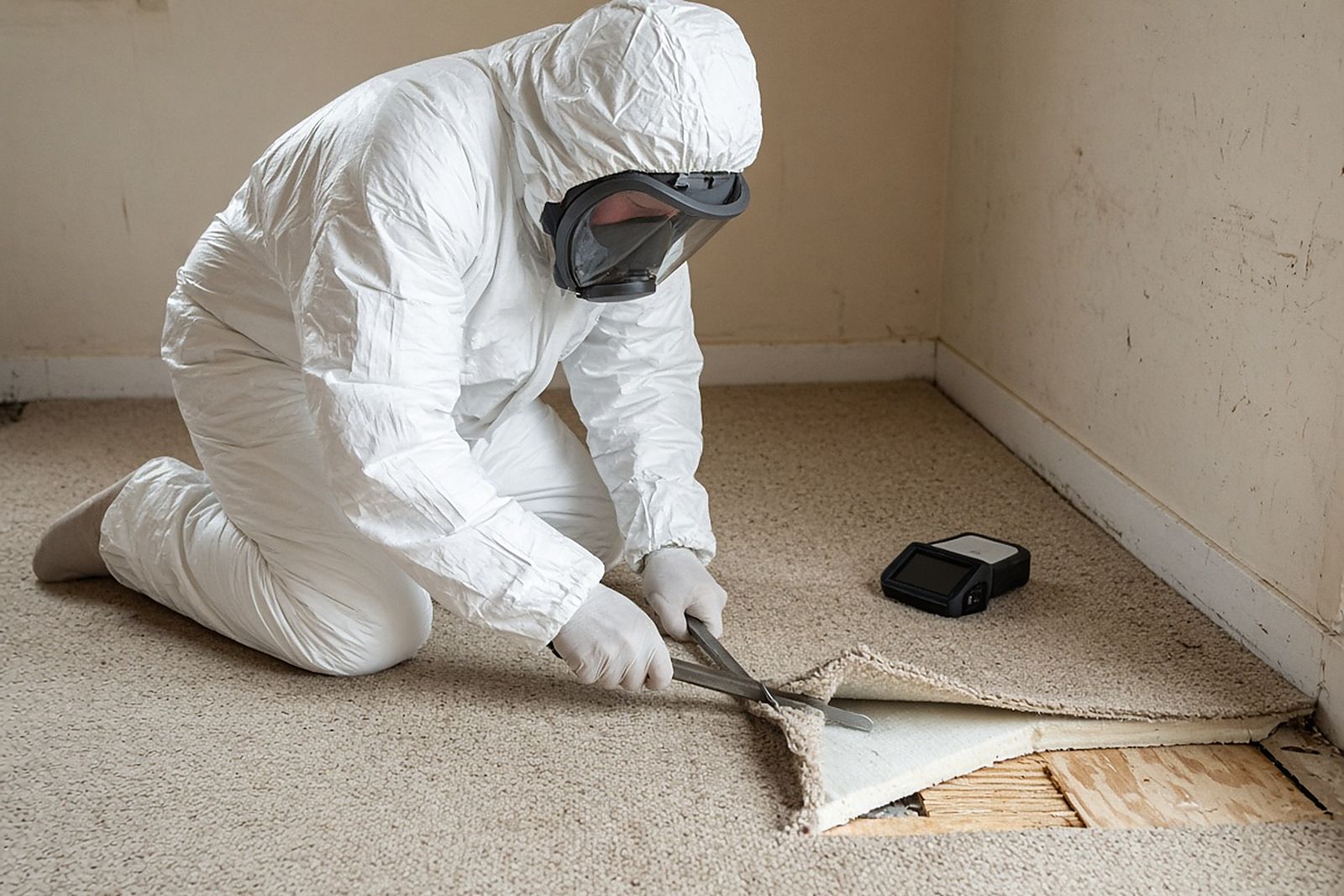
Dallas sits on the east side of the Dallas-Fort Worth metro, with about 1,300,000 people. Sometimes a death is not found for days in a closed-up apartment, brick ranch, or home built on a concrete slab. Summer heat and air conditioning that runs all day can speed up the breakdown of the body. Fluids then soak faster into carpet pad, the layer under the floor, and the spaces inside walls. Shared air returns can carry the smell to other units. This page helps you plan for a late discovery, removing soaked soft materials, shutting off the air system, working with the estate and landlord, privacy, and records. It does not claim local crews are available, and it does not make up city cleanup rules.
Editorial guide · Biohazard Remediation NetworkUpdated 2026-07-22Location focus: Dallas, TX
Local planning context
Homes on this side of the metro are a mix. You will find 1950s and 1960s brick ranches on concrete slabs, garden-style apartments along busy roads, and newer mid-rise units near transit lines. That differs from the pier-and-beam houses and lofts seen more often farther west. In summer, many Dallas homes stay shut to keep cool. The closed-up space traps odor chemicals from the body. When a hallway door opens, the smell can push out into the corridor. A death is often found after a welfare check or an unpaid rent notice. By then, fluids have usually wicked past the visible stain into the pad, the bottom wall boards, and furniture skirts. Plan for fluid that spread sideways and downward first. Then ask how far insects and the air system may have carried it.
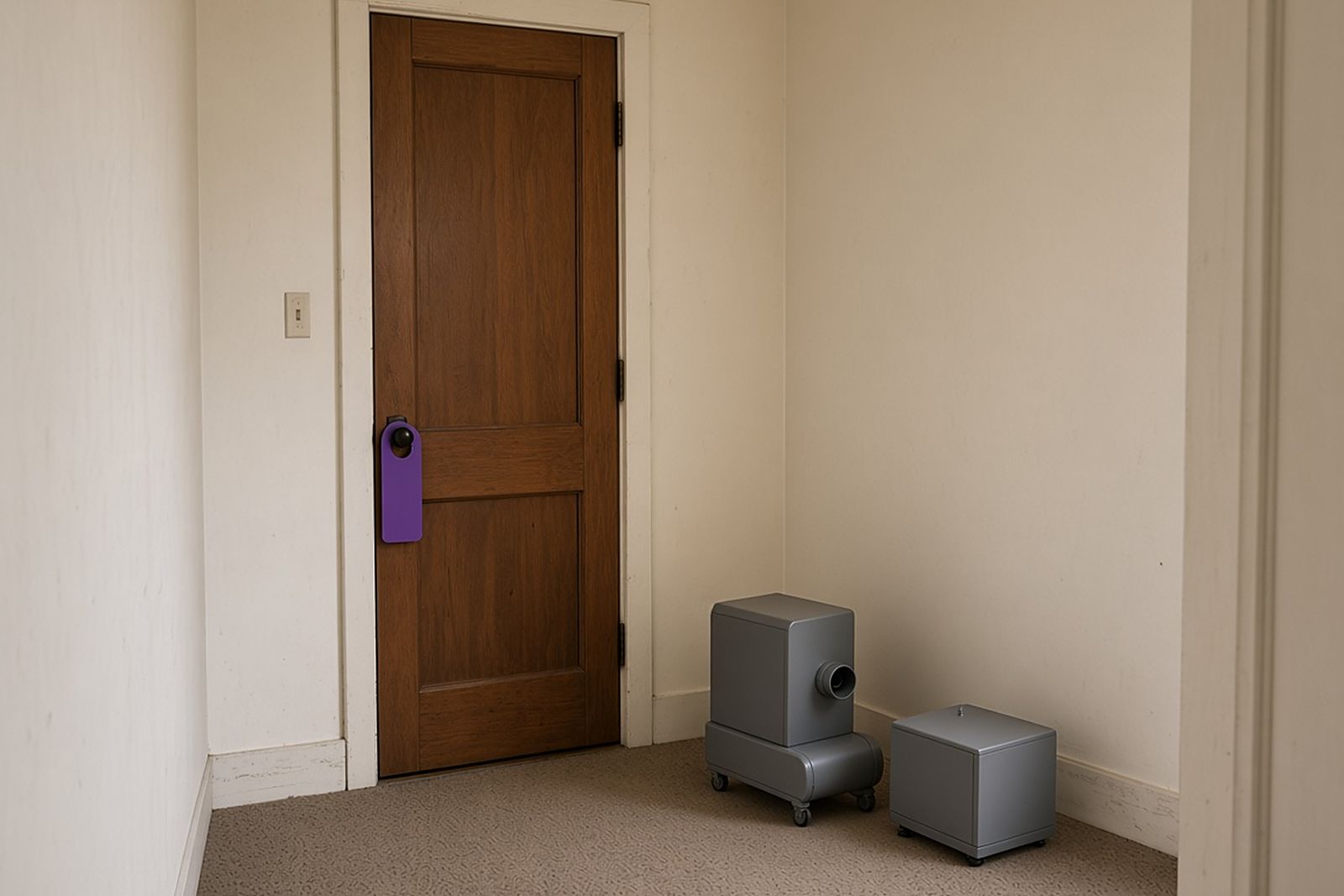
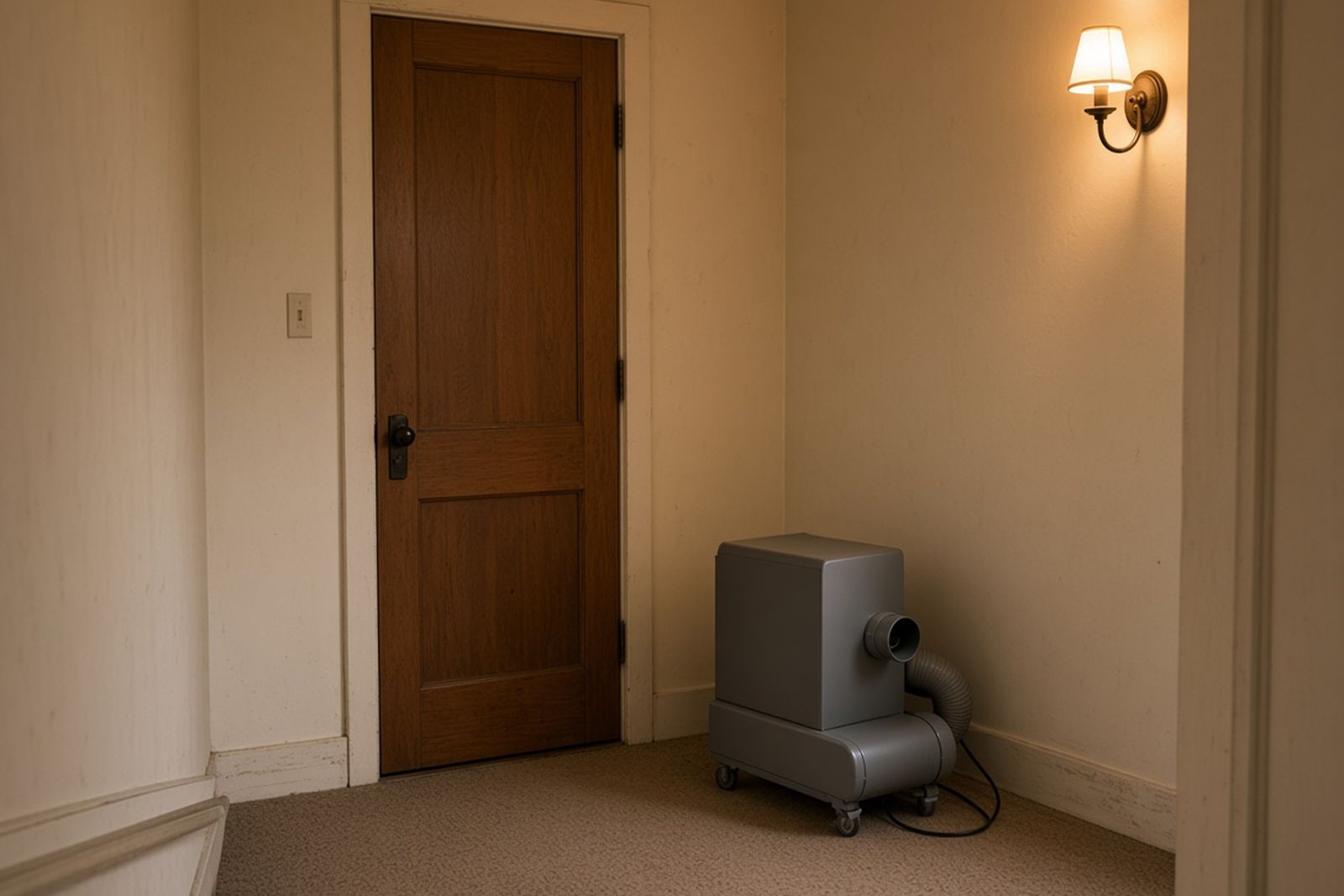
North Texas summers bring heat and humidity. In a unit with no fresh air, the body breaks down faster. Families and managers sometimes aim box fans at the stain to air out the room. That can blow odor and tiny airborne particles into returns that serve the apartments next door. A better plan closes off the room first and protects the shared hallways. Treat the odor only after every soaked soft material has been found and cut out to clean edges. Some older Dallas neighborhoods have pier-and-beam homes, but many houses here sit on a slab. Fluid that reaches the layer under the floor can rest against the concrete. That concrete keeps giving off smell until it is cleaned and dried.
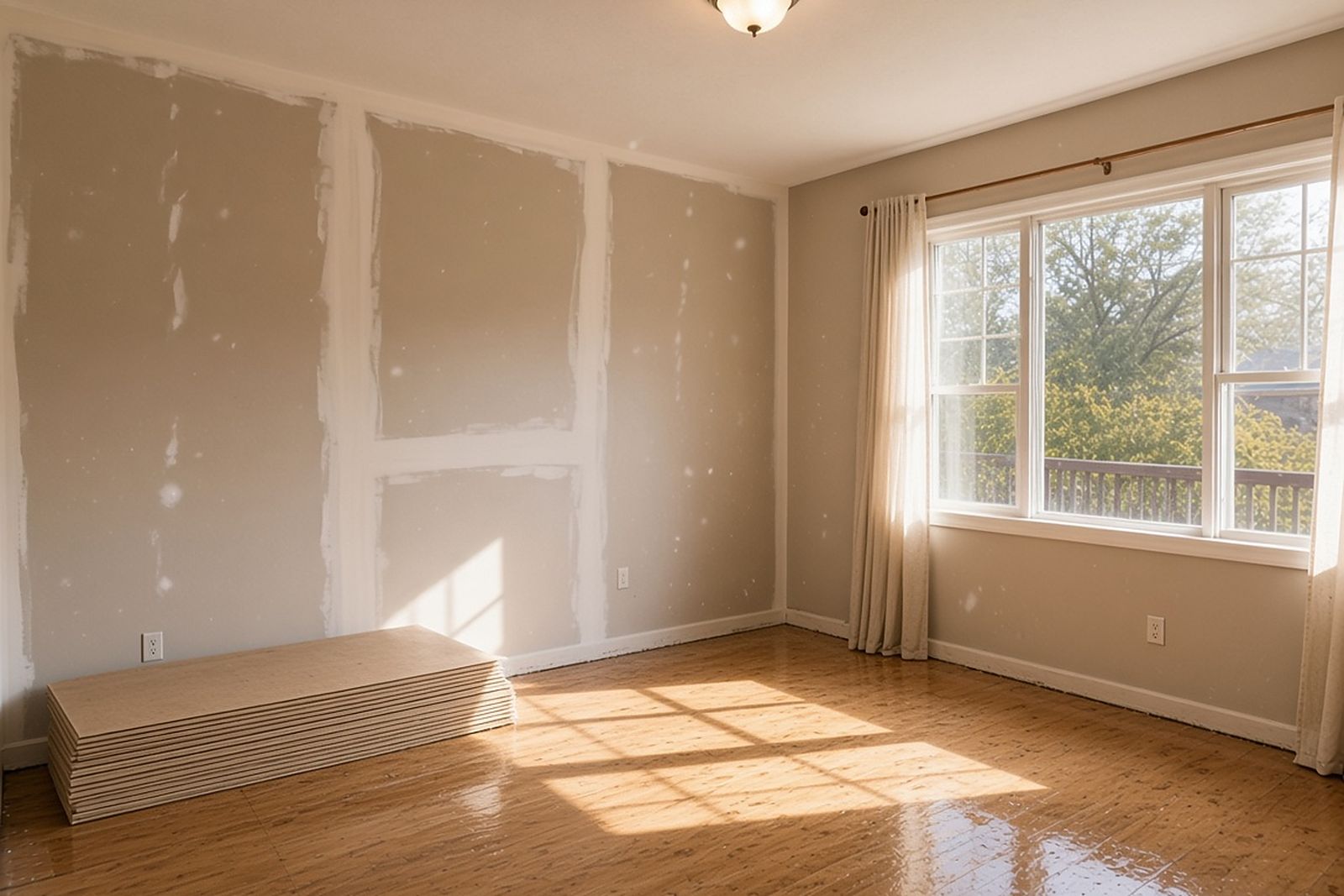
In a rental, the estate, the landlord, and the next of kin often share the right to make choices. Before any cleanup starts, confirm that the Southwestern Institute of Forensic Sciences (SWIFS), the county medical examiner, and any police hold have released the scene. On crowded Dallas blocks, neighbors notice waste bins and plastic walls going up. Covered carts, quiet staging, and written permission to enter help cut down on conflict while work goes on. Keep the health cleanup records apart from the later rebuild records. That helps insurance and probate files match what truly left the home.