Unattended Death Cleanup field guides
Long-form planning resources built around one property decision each.
Every guide is written around a distinct decision, cites primary sources, states its limits plainly, and ends with a practical handoff. They are not keyword permutations of one another.
Get an email reply about unattended death cleanup
Send a short message to the follow-up inbox. A coordinator can reply by email. This form does not send emergency help; call 911 first if anyone is in danger.
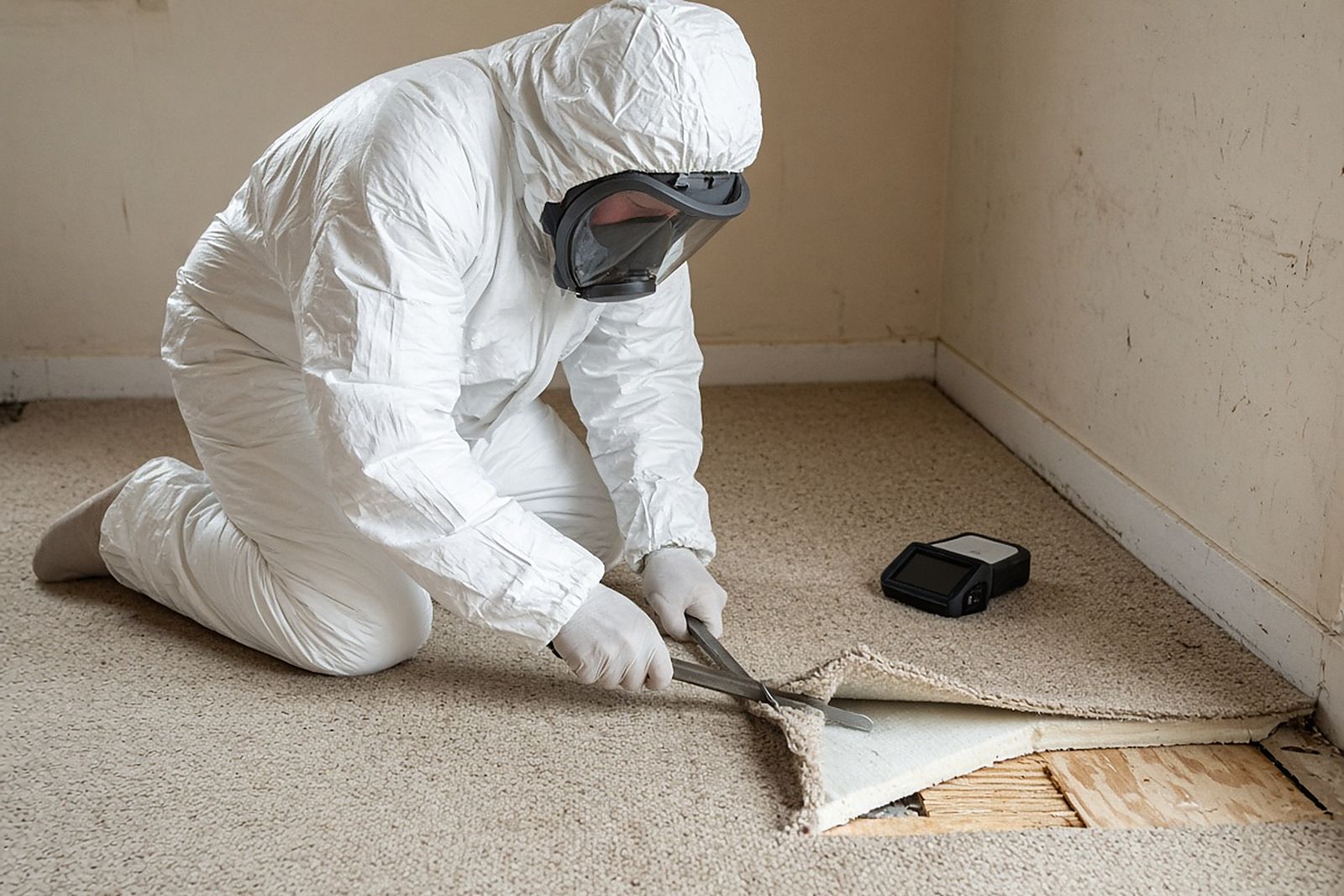
Updated 2026-08-02 · expansion-001k
Unattended Death Cleanup: Fleet and Vehicle Guide
If someone may have died in a car, van, truck, bus, sleeper cab, or special vehicle, call emergency services first. A driver, manager, family member, detailer, or tow operator should not go in. After officials release the vehicle, keep control of it and its keys. Write down when it was found, the temperature, windows, climate settings, insects, odor, weather, towing, and storage. Then check for fluids in the upholstery, foam, seat belts, trim, heating and cooling (HVAC), cargo areas, and electronics. Check anything that was moved too. Estate property, fleet property, evidence, cleanup, insurance, repair, and putting the vehicle back in use are separate decisions. Each has its own decision owner and its own records.
Read the field guide
Updated 2026-08-02 · expansion-001j
Unattended Death Cleanup: School and Childcare Guide
If someone may have died alone at a school or childcare site, call emergency services first. A coworker, custodian, parent, or student should not go in. Keep children away from the area and keep track of every child. Keep plans for reuniting children with families in place. Keep up medicine, supervision, food, mobility help, and privacy. After officials release the area, sort estate, employee, student, evidence, and school property. Check how long the person was undiscovered, the temperature, fluids, insects, and odor. Look at soft materials, air flow, drains, equipment, and everything that was moved. Bring in a qualified cleanup company, with worker safety steps and parent updates. Reopening needs accepted cleanup work. Teaching, care, staffing, building systems, and child-safe access must also be back in place.
Read the field guide
Updated 2026-08-02 · expansion-001i
Unattended Death Cleanup: Assisted-Living Guide
If a resident may have died alone in assisted living, call emergency services first. Family, housekeepers, and coworkers should not go in. Keep nearby residents safe and keep their care going while responders control the scene. After officials release the room, sort the resident's and estate's things from facility property and evidence. Then look at how long the person was undiscovered, the room temperature, fluids, insects, odor, soft materials, plumbing, air flow, mobility aids, linens, and anything that was moved. Bring in a qualified cleanup company. Plan for staff safety, privacy, moving residents, and family updates. A resident should return only after the cleanup is accepted, repairs are done, services work, care is ready for that person, and the operator signs off in writing.
Read the field guide
Updated 2026-08-02 · expansion-001h
Unattended Death Cleanup: Healthcare Facility Guide
Someone may have died alone in a healthcare building. It could be a clinic office, restroom, vehicle, utility area, or mental-health space. Start with the emergency response and the facility's incident command. Staff should not go in just to confirm a death or tidy the room. After officials release the area, keep family property, evidence, medical records, clinical gear, and facility decisions apart. Check how long the person was not found and the room temperature. Look for fluids, insects, odor, air flow, drain paths, and soaked soft materials. Note all that was moved before the area was closed off. Bring in a qualified cleanup company. Work with infection control, worker safety, the building team, privacy staff, and care planners. Care can start again only when the facility accepts the room. The contractor saying it is done is not enough.
Read the field guideUpdated 2026-08-02 · expansion-001g
Unattended Death Cleanup: Warehouse and Industrial Facility Guide
Someone may have died alone in a warehouse, yard, trailer, vehicle, equipment cab, utility space, or remote work area. Start with a call to emergency services. Don't send coworkers to search, and don't start cleaning. After officials release the area, close off the exact spot and any real movement routes. Write down when the person was found and the conditions. Map responders, forklifts, carts, tools, air flow, drains, insects, odor, and moved property. Keep family belongings apart from company property and evidence. Cleanup, worker safety, waste, repairs, and a step-by-step reopening each need a written finish line. Each new shift should hear the current closed areas and limits before work starts again.
Read the field guideUpdated 2026-08-01 · expansion-001b
Unattended Death Cleanup: Qualified Provider Checklist
Choose an unattended death cleanup company by looking at the decisions it makes for your site. A general claim of certification is not enough. Confirm the scene release and who has the right to sign the contract. Require a site check that looks at how long the person was undiscovered and where fluids and responders went. It should cover soft materials and layers, insects, temperature, utilities, belongings, and nearby spaces. Ask how the company protects its workers and how its products match their labels. Ask how it handles waste and personal property. Ask how it tells odor sources apart from odor treatment, and what proof shows the job is done. Check insurance and any claimed local rules yourself. No company can know every hidden problem from odor alone. None can promise permanent results without a written plan.
Read the field guideUpdated 2026-08-01 · expansion-001b
Unattended Death Cleanup: How to Review a Written Scope
A solid cleanup plan turns the site check into actions for each location and material. It should record the scene release and what is known and unknown about timing. It should cover paths for fluid and foot traffic, soft materials and layers, insects, belongings, utilities, and nearby areas. It should also cover worker safety, products, waste types, odor-source decisions, testing, what is left out, and the handoff to rebuilding. Look at what was actually seen and what is only assumed. Check how careful openings and change orders work. Ask what proof will show the job is done. Don't accept a price per square foot, a deodorizing package, or a promise of complete sanitizing in place of a mapped work area and a plan for each material.
Read the field guideUpdated 2026-08-01 · expansion-001b
Unattended Death Cleanup: Emergency Response Versus Remediation
After an unattended death, different people are in charge at different stages. Call 911 if you are worried about someone's safety, or if there is danger, fire, violence, or a medical emergency. Don't go in just to confirm that someone has died. While police, the coroner or medical examiner, fire, health, utility, or building officials are in control, follow their directions. Private cleanup starts only after officials release the needed area and property, and an approved person allows access. The cleanup company then checks the conditions left by the delayed discovery. It protects its workers, deals with affected materials, and plans for belongings and waste. It also writes down the agreed finish line for the job. Security, pest control, utilities, mental-health support, rebuilding, insurance, and moving back in are each separate decisions.
Read the field guideUpdated 2026-08-01 · expansion-001b
Unattended Death Cleanup: Remediation Versus Reconstruction
Unattended death cleanup deals with the affected area once officials release it. It covers the site check after a delayed discovery and controlled access. It covers removing or cleaning affected materials and decisions on belongings and waste. It also covers work on odor sources and a written record that the work is done. Rebuilding replaces removed flooring, walls, cabinets, insulation, fixtures, or finishes. It makes the room work and look right again and meet any building rules. One contractor may do both jobs, but the scope and sign-off for each must stay separate. Before anything is covered, record the bare surfaces and how far fluid soaked in. Also record materials kept, products used, the inspection, and limits. A remodeled room can look finished and still have no proof that the hidden cleanup area was dealt with.
Read the field guideUpdated 2026-08-01 · expansion-001b
Unattended Death Cleanup: Multifamily Property Manager Guide
After an unattended death in an apartment building, protect the released unit. At the same time, manage shared systems, common routes, neighbors, staff, belongings, and privacy. Confirm the official release and who controls the property. Limit entry and save access records. Map paths for fluid, insects, odor, heating and cooling, plumbing, and foot traffic. Don't assume nearby units are affected. Assign qualified people for cleanup, pests, utilities, security, and rebuilding. Share schedules and access changes with only the detail people need. Keep tenant, estate, insurance, lease, and move-in decisions out of the cleanup company's job. Reopen the unit or shared areas only through a written handoff. It should list the work done, its limits, any rules still in place, and what the building still has to do.
Read the field guideUpdated 2026-08-01 · expansion-001d
Unattended Death Cleanup: Hotel and Guest-Room Guide
If you think a guest may have died, start with a welfare check or a call to emergency services. Staff should not go in. After officials release the room and property, keep estate or guest belongings apart from building decisions. Limit who can enter. Then check how long the guest was undiscovered, the temperature, fluids, insects, and odor. Look at linens, the mattress, and flooring layers. Check the bathroom, heating and cooling, plumbing, carts, laundry, hallways, and nearby paths. Use a qualified cleanup plan. It should cover worker safety, product labels, who holds belongings, waste, and a written finish line for the job. Put the room back in service only after cleanup, pest and system decisions, rebuilding, a privacy review, housekeeping readiness, and management approval are done.
Read the field guideUpdated 2026-08-01 · expansion-001e
Unattended Death Cleanup: Rental Turnover Guide
Turning over a rental after an unattended death starts with a call to emergency services and an official release. After that, building, estate, and lease decisions each go their own way. Pause normal maintenance, trash-out, photos, and automatic listings. After release, check how long the tenant was undiscovered, the temperature, where fluid went, insects, and odor sources. Look at soft layers, belongings, nearby spaces, heating and cooling (HVAC), plumbing, and anything staff moved. Use a qualified cleanup company. It should cover worker safety, products, who holds belongings, waste, testing, and a final check while surfaces are still open. Estate access, the lease, deposits, liability, insurance, disclosure, and abandoned property need legal or contract review. List the unit again only after cleanup, pest and system work, rebuilding, security, and management sign-off are written down.
Read the field guideUpdated 2026-08-02 · expansion-001f
Unattended Death Cleanup: Office and Workplace Guide
If someone may have died alone at work, call emergency services first. Employees should not go in. After officials release the area, the employer and property owner should keep family or estate belongings apart from workplace and building decisions. Limit staff access. Check how long the person was undiscovered, the temperature, fluids, insects, and odor. Look at soft materials and layers, heating and cooling (HVAC), plumbing, desks, vehicles, and anything moved before the area was closed off. Use a qualified cleanup company. The employer sets worker safety steps. Plan for who holds belongings, waste, testing, and a final check while surfaces are still open. HR support, family contact, workers' compensation, insurance, legal holds, repairs, keeping the business running, and returning to work are separate decisions.
Read the field guideHow to use these guides
These guides are for people who suddenly have a problem they did not see coming. You may be an executor handling a relative's home from far away. You may be a landlord whose tenant was found after days. Or you may be a neighbor who ended up holding the key. The guides walk through the choices that follow a late discovery. Should you air the place out? Which floor layers must come out? When is odor treatment too early? How do you protect belongings for the estate? Each guide explains the reason behind a step. Then you can explain it to a co-owner, a property owner, or a brother or sister who wants to do things differently.
Most guides pair a decision table with a checklist. The checklist is set up around release, who is in charge, cleanup, and moving back in. In the tables, find the row that matches what you can see. That might be odor in the hallway, a stain that reaches a wall, or insects near windows. Then follow it to the next step. When two rows seem to fit, pick the one that assumes the damage goes deeper. The checklists let a person who cannot visit still track progress by phone, email, or shared photos. When the answer depends on local probate law, housing rules, or waste rules, the guide names the office to call instead of guessing.
Sourced figures behind the guides
- 34,696
Federal OSHA conducted 34,696 inspections in fiscal year 2024 and has roughly one compliance officer for every 70,000 workers.
Read with care: Excludes inspections by state-plan agencies.
Source: OSHA (2024)United States, federal OSHA, FY2024
- 10 square feet
EPA says moldy areas smaller than about 10 square feet can usually be handled by the homeowner, while larger areas warrant professional guidance.
Read with care: Applies to mold; contaminated sewage or biohazard materials are treated differently.
Source: US EPA (2026)Residential guidance, United States
- $16,550
OSHA's maximum penalties are $16,550 per serious violation and $165,514 per willful or repeated violation.
Read with care: Amounts adjust annually for inflation.
Source: OSHA (2024)United States federal OSHA, 2024 inflation-adjusted amounts
These figures are public research and agency data, not this network's own job records. Keep each number with its population, year and limits; none of them predicts cost, timing or outcome at a specific property.
Questions about these field guides
I just learned a relative was found days after they died. Which guide comes first?
Start with the guide on the first hours after the home is released. It explains why to keep the home closed, which windows and fans to leave alone, who needs a key, and what to photograph from the doorway. Next, read the guide on who has the right to sign. Cleanup often cannot start until someone with that right approves it in writing.
Do the guides explain why odor treatment comes after removing materials?
Yes. Several guides describe the "source first" order. Soaked flooring and other things that hold odor are removed before any odor machines run. The guides explain why fogging or ozone used too early can hide a problem that comes back when the weather changes. They also tell you what to ask a provider who wants to cover the smell before lifting a single layer of flooring.
Can a landlord use the same guides as a family member?
Yes, with a few differences in focus. Landlords will find notes on other tenants, shared air systems, and holding a tenant's things for the estate. Family members will find more on sorting items, working with the probate court, and deciding what to keep. Both groups share the core material on the scope of work, waste, and final checks.
How do the guides deal with insects without being graphic?
They describe insects as a sign that germs spread beyond the area you can see. They focus on what that means for the job, such as checking window sills, light fixtures, and nearby rooms. The wording stays practical. It leaves out detail you do not need to make a choice. If a section feels like too much, you can skip ahead to its checklist.
What if the guides and the provider disagree about how much flooring should come out?
Ask the provider to show you the moisture readings and photos behind its advice. The guides describe common patterns. But only someone who has lifted the layers can see how far the damage really goes. A good provider will explain why it wants to remove more, or less, than you expected. It will also put that reason in the written scope.
Can I use the guides on a phone while I am at the property?
Yes. The guides are written in short sections, so you can follow them on a phone. That works while you meet a provider, talk with a landlord, or stand outside the home. You can also copy checklists from the related tools and send them to others involved. If you are at the property, stay outside the affected area while you read, and let the crew handle the inside.
Do the guides change depending on whether the property is a rental or a home the person owned?
The core steps stay the same. But some guides point out differences for rentals. These include the landlord's role in locking up the unit, protecting other tenants, and working with the estate on belongings. For homes the person owned, the guides focus more on the estate's authority and insurance. Look for the notes that fit your situation as you read.
More on unattended death cleanup
Unattended Death Cleanup services
Learn what cleanup after a late discovery involves. It covers tracing how far fluid soaked into the subfloor, odor treatment, listing belongings, and move-back-in records.
Costs explained
What drives the price, published cost ranges, and how to read a written quote line by line.
Insurance and payment
Which policies may respond, how to document a claim, and what to do if coverage is denied.
Planning tools
Six tools for landlords, executors, and families caring for a property after an unattended death. They help from the first day through waste records and claims.
Community polls
See how other landlords, executors, and relatives handled belongings, talking with tenants, telling buyers, and subfloor choices. Share your own view without giving your name.
Knowledge quiz
Test what you know about odor signs, who is in charge, closing off rooms in shared buildings, taking out soaked materials, waste records, and final sign-off papers.
Articles and resources
Longer reads on handling an estate from far away, working with tenants after a death in the building, and what honest cleanup after a death looks like.
City guides
Find cleanup providers by city and state. Then check their licenses, waste handling, and how they inspect the subfloor yourself before you approve any work.