Short answer
For unattended death cleanup, these are the credentials worth checking. Look for current training on bloodborne germs and respirator fit testing. Ask for proof of insurance and any required medical waste registration. Look for a licensed partner for insect treatment and any contractor license needed to remove flooring or drywall. The company should have clear steps for estate items. It should keep detailed records that executors, landlords and relatives far away can rely on when they cannot visit.
Why credentials matter for delayed-discovery scenes
An unattended death is when a person dies alone and is not found for some time. By the time the home is opened, the cleanup may involve far more than a stained floor. Fluids can soak through several layers of flooring. Odor can travel through the ducts. Insects may have spread into other rooms or nearby units.
These cases pass through official hands first. In its 2018 census of death investigation offices, the Bureau of Justice Statistics found U.S. medical examiners and coroners got more than 1.3 million death referrals and accepted 605,000 for investigation. Once the medical examiner or coroner finishes and the property is released, the duty shifts. It falls to the family, executor or property owner, who usually has never hired a cleanup company before.
This work mixes biohazard removal, light tear-out, odor control and pest problems. So no single certificate proves a company can handle it. Instead, you are looking for a set of skills and papers that cover each part of the job. You also want records that let you confirm the work was done.
Safety training and odor-control experience
Fluids from a body breaking down are treated as able to carry disease. So workers who clean them fall under OSHA's bloodborne pathogens standard. The rule expects training when a worker is first given exposure tasks, and a refresher at least once a year after that. It also calls for a written plan to limit exposure and for the hepatitis B shot to be offered.
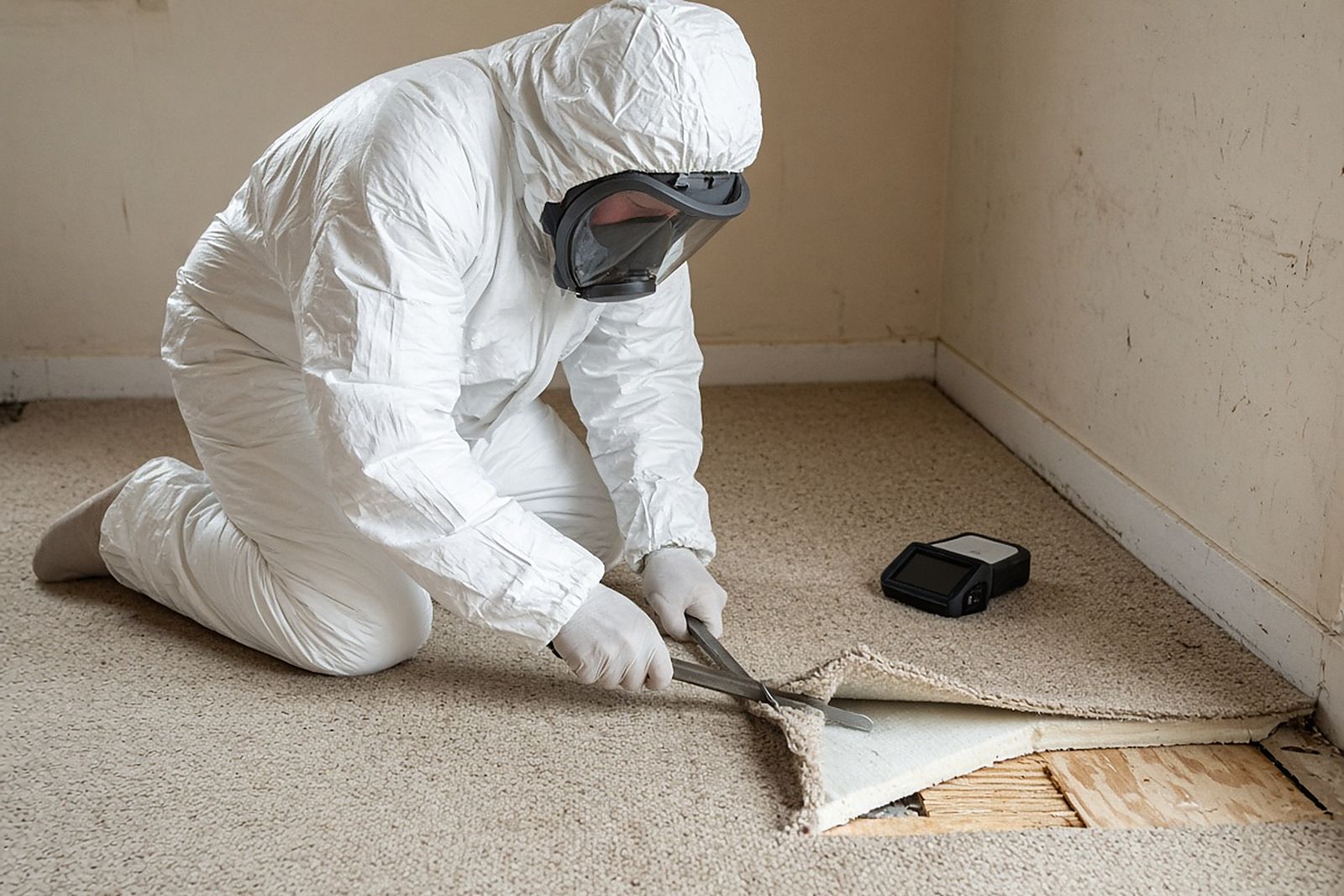
Breathing protection matters a lot here. Crews may work for long stretches in rooms with strong odors and dust from removed materials. Ask whether workers wear respirators on these jobs, whether they have been medically cleared and when their fit tests were last done.
Last, ask who pays for protective gear. Since February 13, 2008, OSHA has required employers to give workers the required protective gear at no cost. A company that expects workers to buy their own gear may be cutting corners elsewhere, too.
There is no government license for odor removal. But experience and training make a big difference. Lasting odor control after an unattended death depends on finding and removing every soiled source. Then air treatment tools must be used correctly. Mistakes can leave a smell that comes back weeks later. With some equipment, mistakes can also create new dangers for the people who live there.
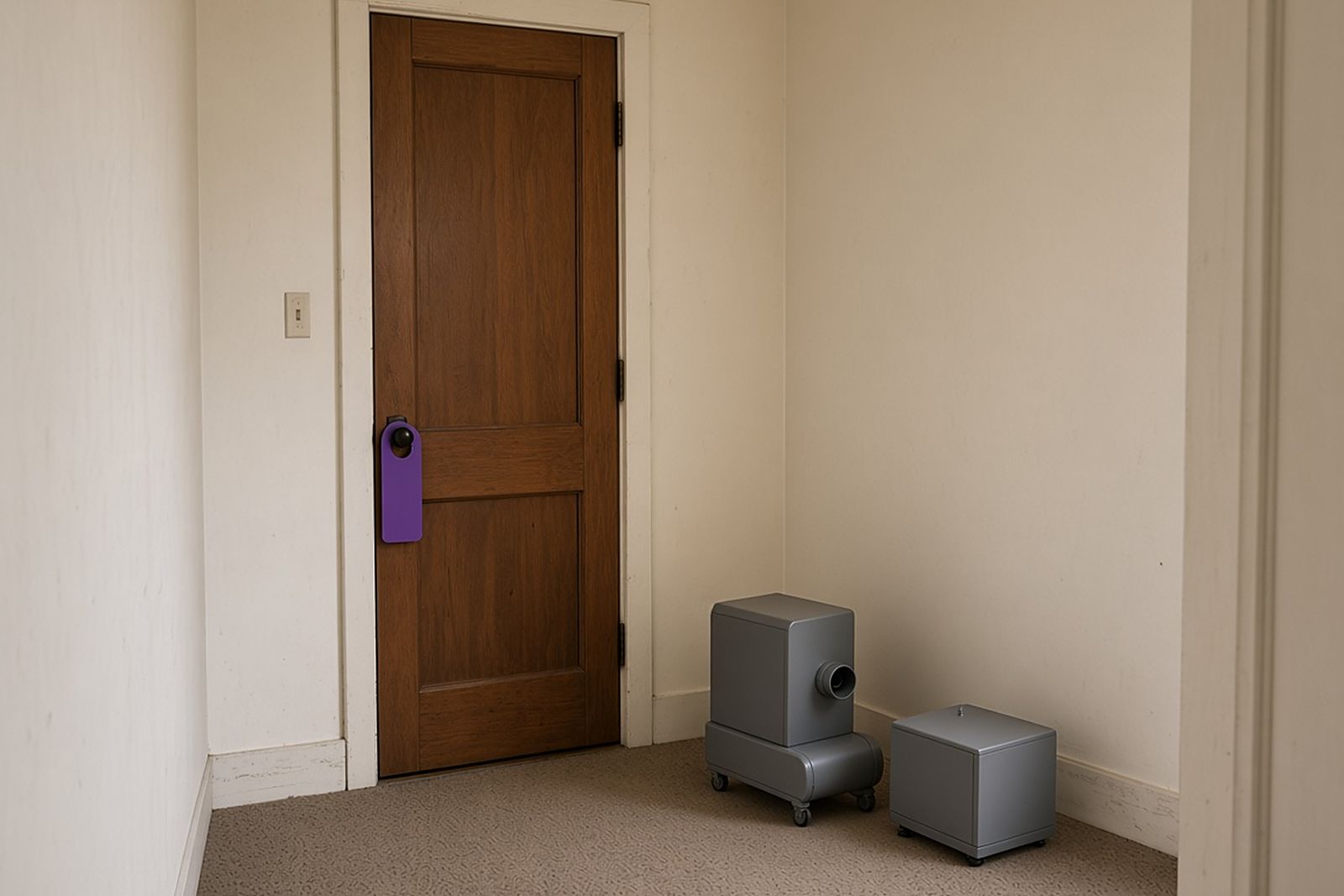
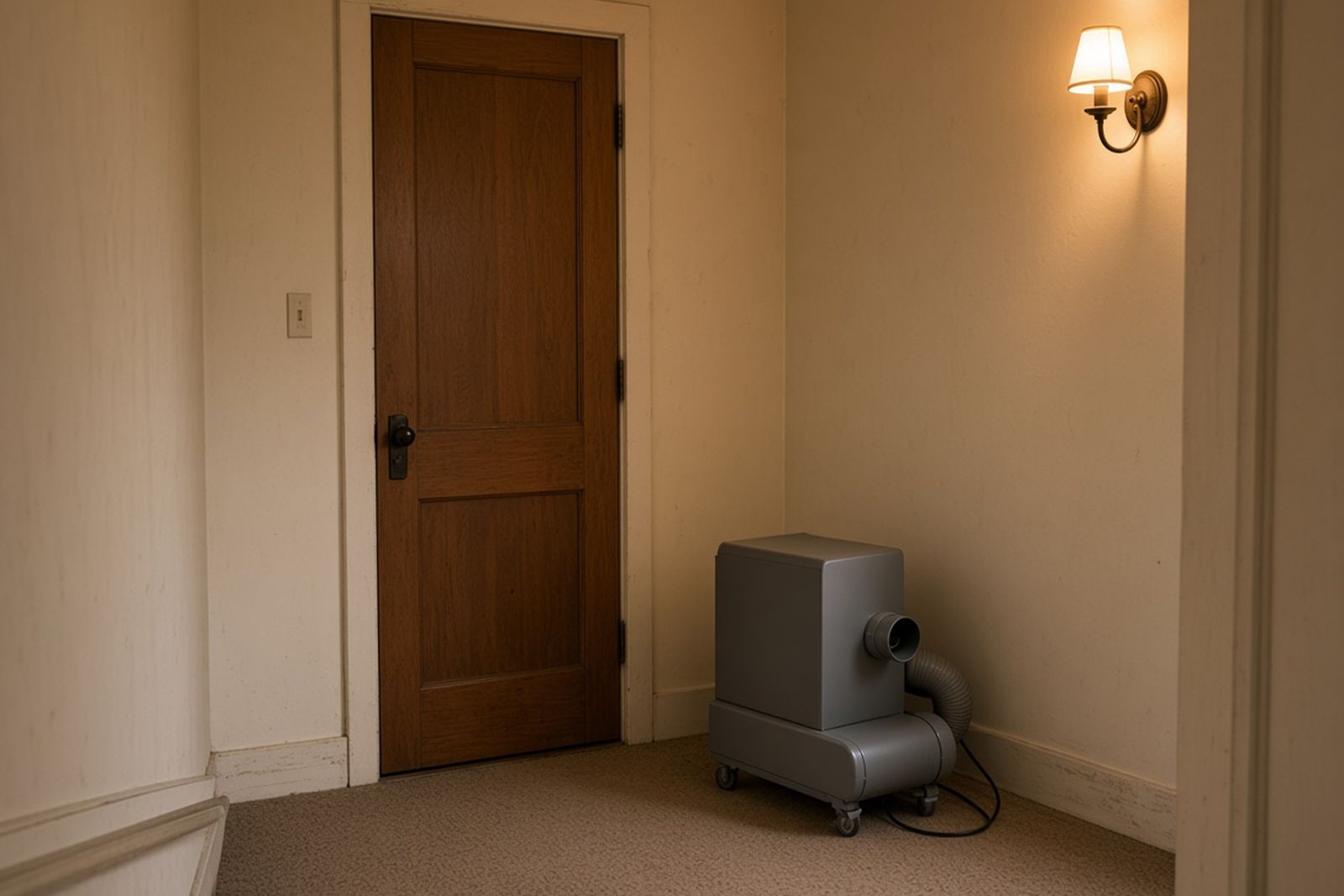
Ask how workers learned to use the tools they rely on, such as air scrubbers, hydroxyl machines, thermal foggers or ozone machines. Ask how they decide when a space is safe for people and pets to come back after treatment. Ask what safety steps they take when using ozone. A trained crew will talk about limits as well as benefits.
Private training courses and trade group programs exist for odor control and restoration work. They can be a useful sign that a company invests in training. But ask what the course covered and when it was finished, instead of trusting a logo.
Do they need other licenses for demolition or pest control?
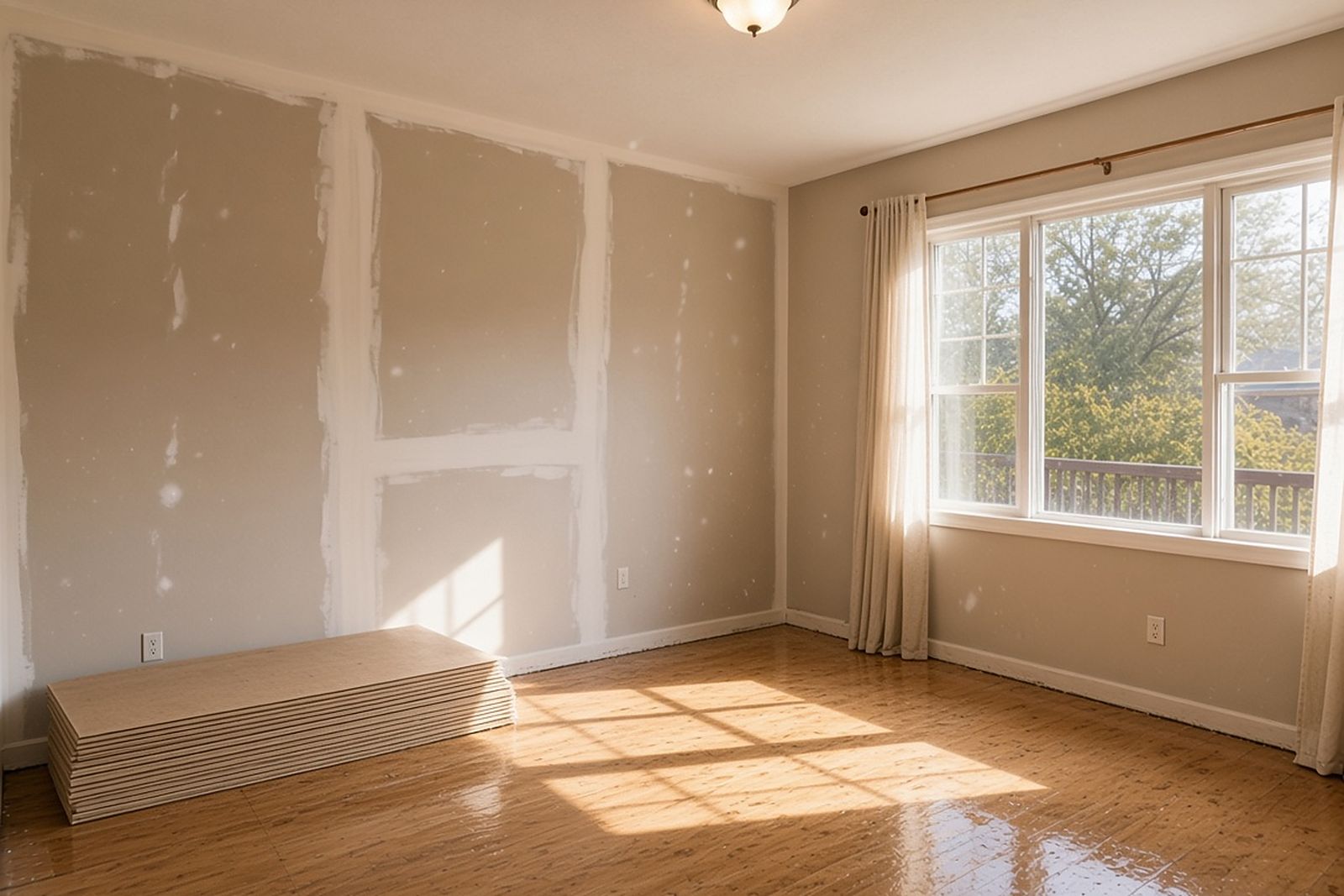
Sometimes. Removing subfloor, drywall or cabinets may cross into work your state or city treats as construction. Some areas require a contractor license or permit for removing and repairing parts of the building. This is most likely if the job affects plumbing, wiring or parts that hold up the building. Ask whether the company holds any required contractor license or works with a licensed contractor for that part of the job.
Insect treatment is another area where a separate license is common. Applying bug killers is often regulated. Many cleanup companies work with a licensed pest control company instead of doing it themselves. Ask who will handle insects, what license they hold and how their work fits with the cleanup.
Your state's contractor licensing office and pesticide agency can confirm what applies where the home is. A good company will tell you which parts of the job it handles itself, which it sends to others and why.
It is also worth asking whether the company carries coverage that fits building work. Say a crew removes subfloor and damages plumbing or wiring along the way. General liability insurance is what protects the owner. Confirm the policy is active and that its limits make sense for the size of the job.
Handling estate property
Unattended death scenes are often full of items that heirs and executors need. Examples are wills, deeds, bank statements, tax records, keys, jewelry, cash, medicines and sometimes guns. A company that is right for this work has a written process for finding, protecting and logging those items.
Ask how the crew separates items that can be saved from soiled waste. Ask who decides when an item is too damaged to keep and how that choice is recorded. Ask whether valuables are photographed and sealed, and who gets them. Some companies carry a bond or special coverage for property in their care, which you can ask about as well.
This is not a formal credential in the legal sense, but it is a professional one. Executors often need a clear record of who had each item and when. A company that already builds that into its routine will save time and conflict.
- A written process for finding and setting aside papers and valuables
- Photos and an itemized log of property recovered
- Signed hand-off records when items are released
- A stated policy for medicines and guns found on site
Records for remote family, and a side-by-side check
Many people in charge of an unattended death cleanup never set foot in the property. They may handle everything by phone from another state while also planning a funeral and dealing with banks. For them, records are the only way to know what happened.
Before work starts, ask for a written scope of work. It should explain the rooms involved, what will be removed, how the crew will look for hidden spread and how changes will be approved. During work, ask for photos at each stage, above all when flooring layers are lifted. After the job, ask for a final summary, a list of property, waste disposal records and a list of repairs the property will need.
Ask how these records will be sent safely. Ask who else should get copies, such as a landlord or lawyer. A company used to clients far away will usually suggest this before you ask.
If several relatives share decisions, agree on one person who will approve changes and get updates. Give the company that person's name in writing. This prevents mixed instructions. It also makes sure the records end up in one place, which is easier for everyone when the estate is settled.
Asking every company for the same papers quickly sorts them out. One may send an insurance certificate but say it will just rip out whatever smells and figure out the rest later. Another may send insurance certificates and confirm current training and fit testing. It may name the licensed pest control company it works with. It may explain that it works with a licensed contractor if floor beams need repair. And it may describe how it logs estate property.
The second answer is the one to look for. During the job, that kind of company sends photos as each layer of flooring comes up. It sets aside financial papers and valuables and ships them with a signed list. At the end, it hands over a waste record and a summary of repairs needed before the house can be listed. It also gives confirmation from the pest company that treatment is done.
Building requirements, and credential claims to question
Rental units and condos add another party to the choice. A landlord or association may have its own rules for contractors working in the building. It may want an insurance certificate naming the owner as an additional insured and proof of workers' comp. It may require a set time for using elevators and loading areas. Ask the building for its contractor rules early, so the cleanup company can meet them before arriving.
The landlord may also need its own set of records. Once the unit is cleaned, it will be repaired and rented again at some point. The owner will want to know that soiled materials were removed, not covered up. A final summary, photos and a waste record answer that question. If the tenant who died had belongings in the unit, the landlord and the estate will both want a clear list of what was saved.
When fluids or odor reached nearby units, the building manager should be part of the talk about the scope of work. A qualified company will ask for access to those spaces. It will explain what it found and record any work done there separately. That keeps duties clear among the estate, the owner and any affected neighbors.
Be careful with broad claims such as "fully licensed," "government certified" or "approved by the coroner." Medical examiners and coroners generally do not certify private cleanup companies. There is no national license for this work. When a claim sounds official, ask for the program name and a number you can check.
Be just as careful with companies that promise to handle every trade themselves but cannot name the licenses those trades require. It is fine for a company to do some tasks itself and send others out. What matters is that each piece of work is done by someone qualified to do it.
Most of all, remember that skills and compassion go together. A company can hold every paper on this list and still fail a grieving family through poor communication. The right company shows you its paperwork and explains its process in plain words. It treats the person who lived there, and the people who loved them, with respect.