Short answer
After the medical examiner or coroner releases the home, an unattended death cleanup team assesses how far fluids, odor and insects have spread, then writes a scope. Expect containment, staged removal of flooring and wall materials, odor control that may run several days, pest treatment, careful sorting for documents and keepsakes, regulated waste disposal and a final verification before any repairs begin.
Who decides when cleanup can start after someone is found?
When a person dies alone and is found later, police and the medical examiner or coroner generally respond first. They determine the cause and manner of death, identify the person and arrange transport. Many deaths pass through these offices. The Bureau of Justice Statistics reported that more than 1.3 million deaths were referred to U.S. medical examiner and coroner offices in 2018, and offices accepted 605,000 for investigation.
Once the home is released, control passes to whoever is responsible for the property: the owner, the estate's representative or the landlord. Only then can cleanup begin. Ask the responding agency to confirm the release and note the date, because insurers and estate attorneys often ask for it.
Procedures differ from place to place. If you are unsure who has authority over the home, ask the medical examiner's office or an estate attorney before signing anything.
The first call and the site visit
The provider will ask how long the person may have been undiscovered, the type of flooring, whether the home is a house or an apartment, whether there is a unit below, how the heating and cooling were set and whether insects are visible. They will also ask who has authority to approve the work. None of these questions require you to describe the scene in detail.
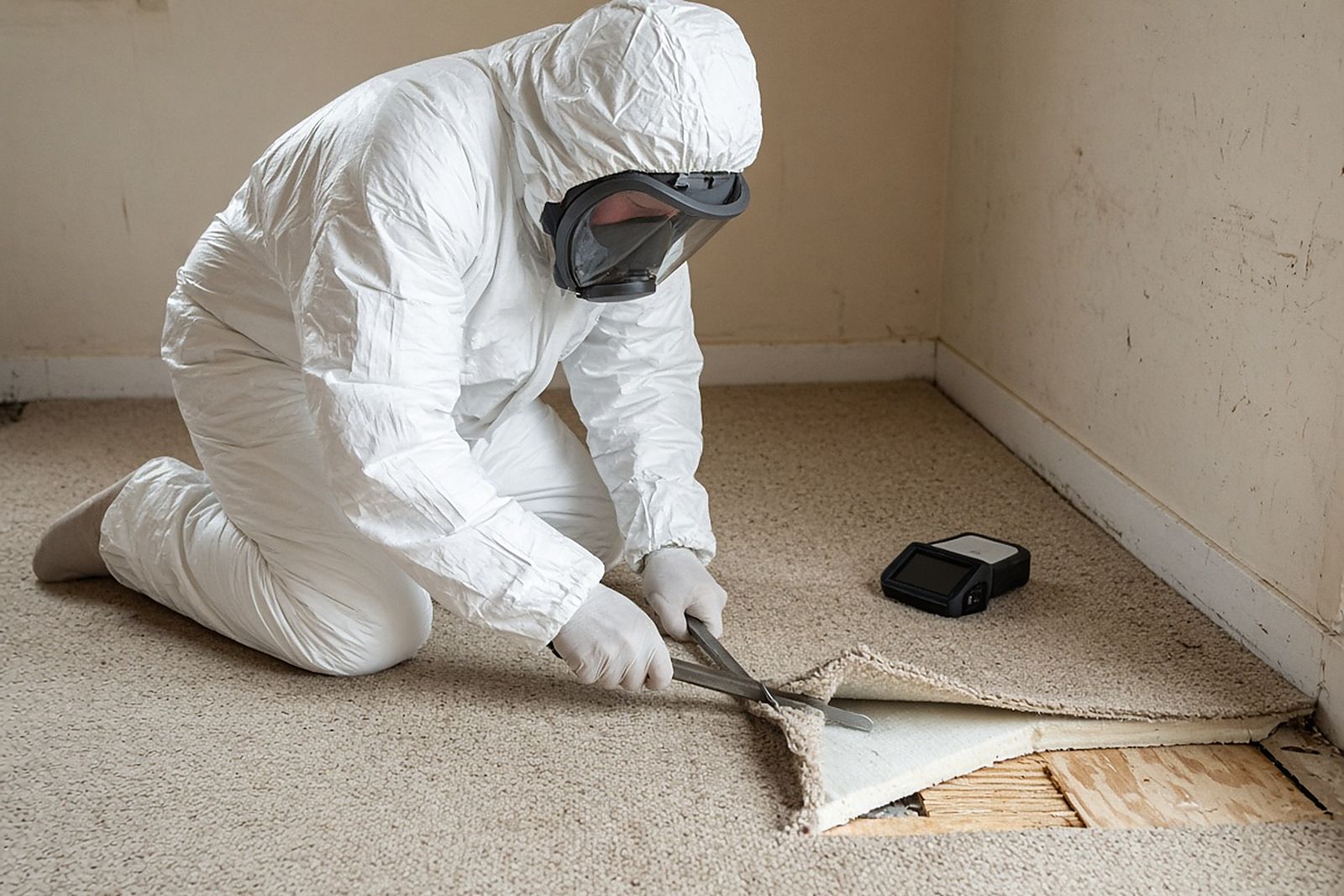
During the site visit, a supervisor in protective equipment inspects the affected area and nearby rooms. With unattended deaths, they often look beyond the obvious stain, checking under baseboards, around vents and sometimes the ceiling below. Photos and notes from this visit form the basis of the written scope.
Many families live far away. It is common for the landlord, a neighbor with a key or the provider alone to meet at the property, with photos and a phone call to the family afterward.
Why the scope is sometimes a range
With delayed discovery, fluids often travel farther beneath the surface than anyone can see before flooring is lifted. A careful provider will say so up front and explain that quantities may change once they open the floor and inspect the subfloor. That honesty protects you from surprise charges later.
Ask the provider to describe how they will communicate if the work expands, and whether they will send photos before removing additional material. A good scope will list each area separately and describe exclusions such as rebuilding, painting or appliance replacement.
- Affected rooms and materials, listed one by one
- Staged removal plan for flooring and subfloor
- Odor control method and expected duration
- Pest treatment, if insects are present
- Sorting plan for documents, valuables and keepsakes
- Waste handling, disposal records and final verification
Day one: containment and control
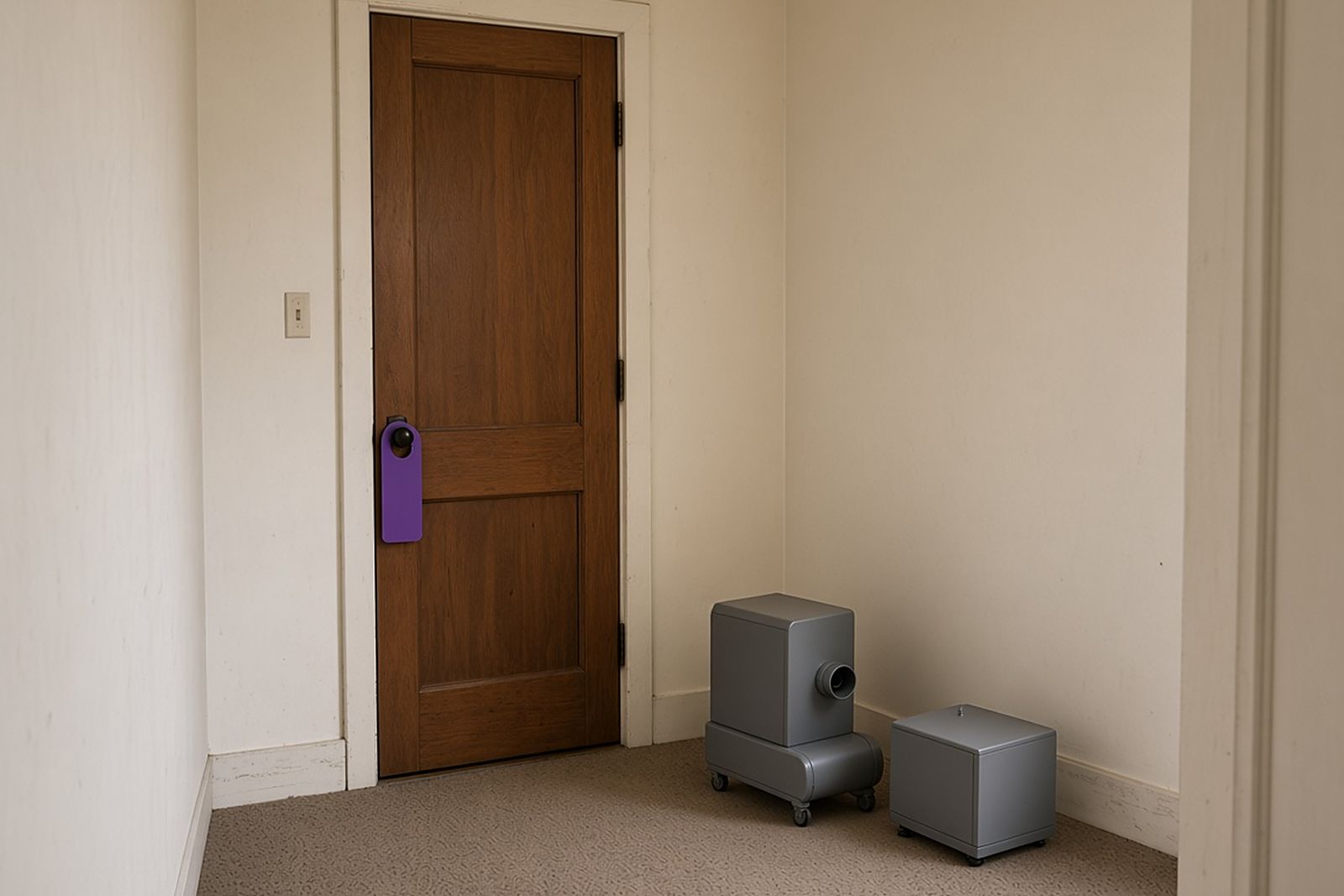
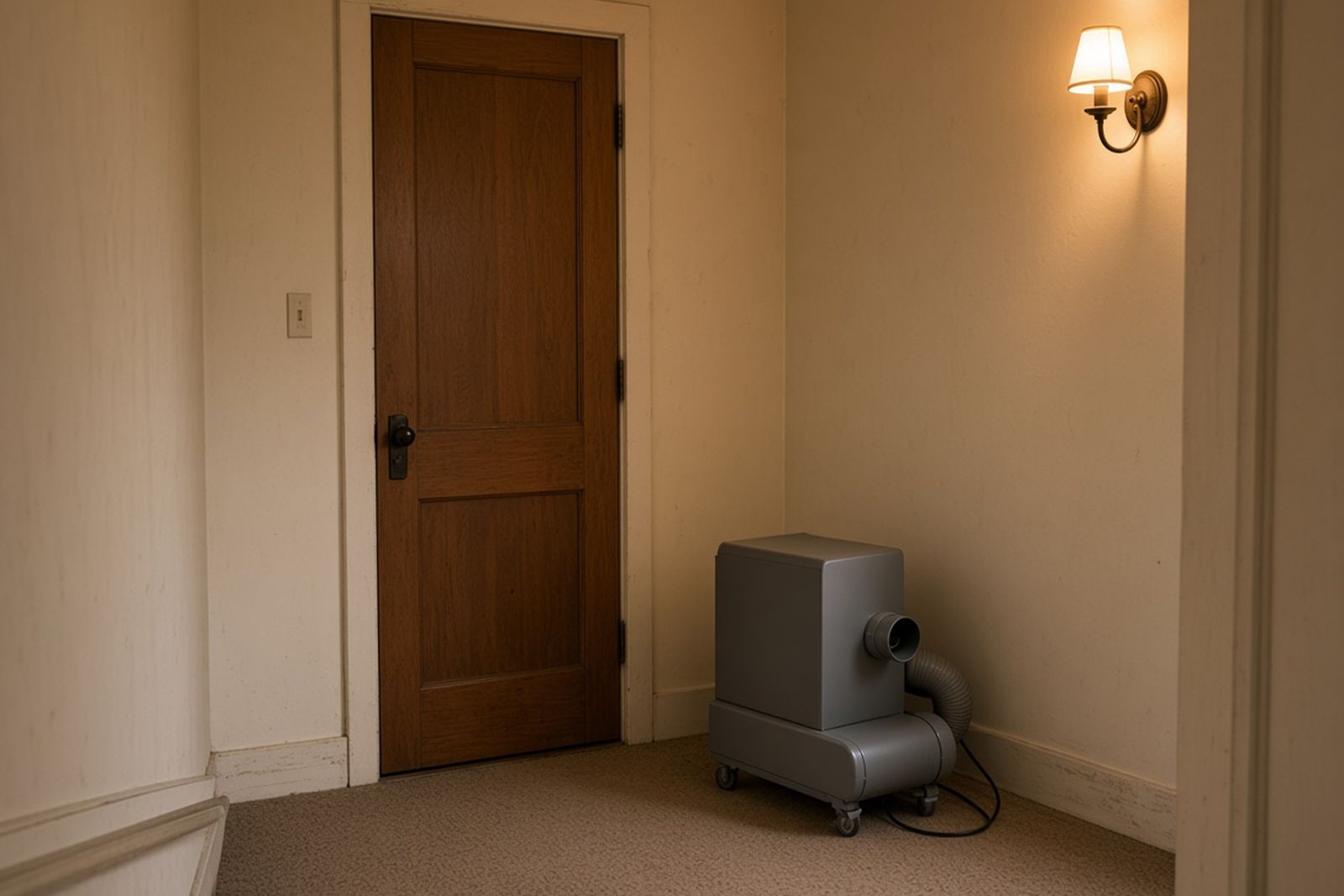
The first priority is to stop things from getting worse. The crew sets up containment with plastic sheeting, seals vents and returns and may run air filtration machines to begin reducing odor. If insects are present, they may begin treatment early so pests do not spread to other rooms or neighboring units.
Technicians wear full protective equipment, including respirators, because air quality in these homes can be poor. They create a clean area for putting on and removing gear, and they set a path in and out of the home that avoids tracking material.
Once the space is controlled, they begin removing the most heavily affected materials, such as a mattress, a chair or a rug, and then start opening flooring in stages.
Expect some noise and activity at the property during this stage. Equipment such as air scrubbers may run continuously, and waste containers will be carried out. In apartment buildings, the crew may coordinate with management to use a particular entrance or elevator and to notify nearby tenants that professional work is underway, without sharing personal details.
Flooring and wall removal, in stages
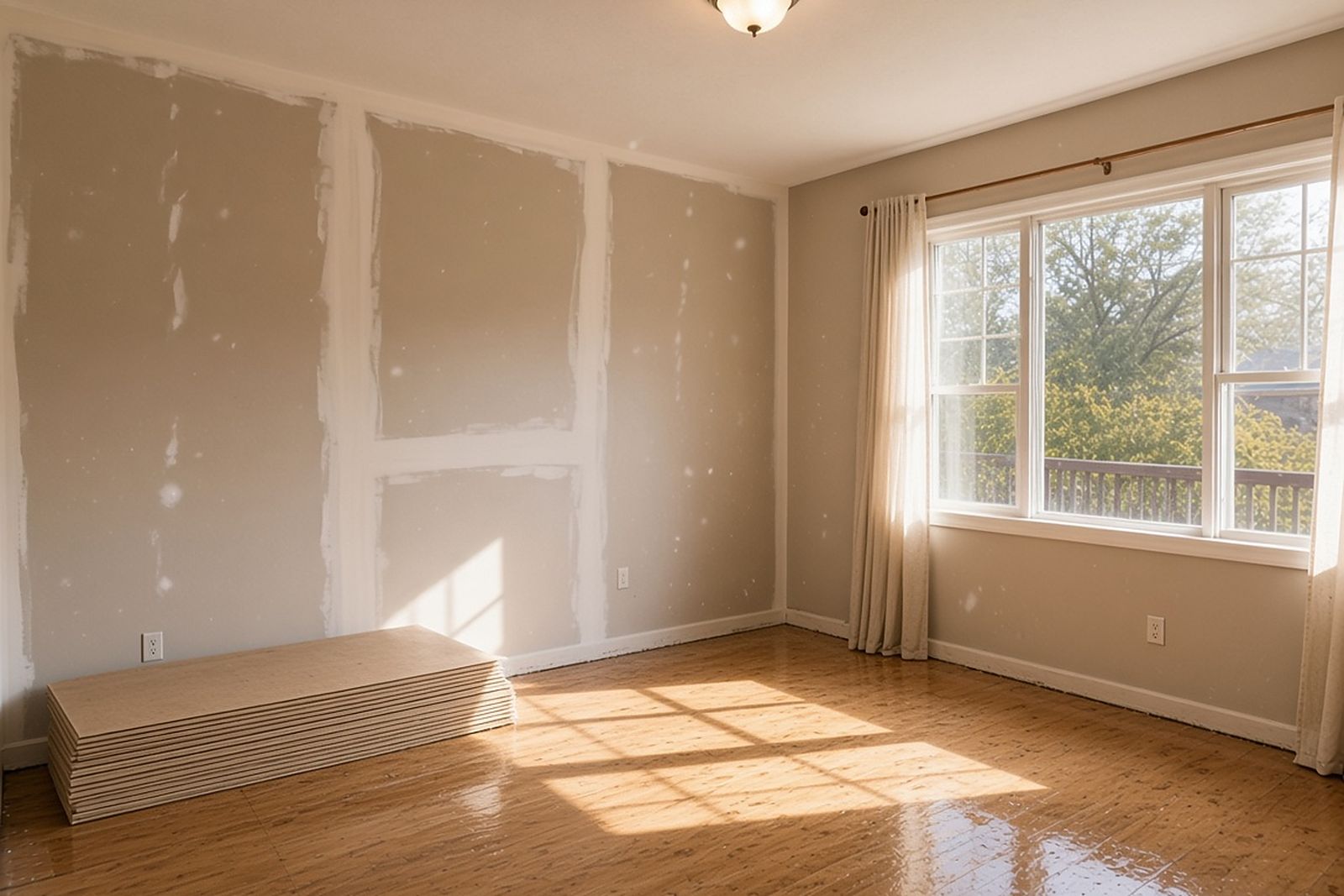
Removal usually proceeds from the center of the affected area outward. The crew lifts carpet and pad or cuts out vinyl, laminate or hardwood, then inspects the underlayment and subfloor. If fluids reached the subfloor, sections may be cut out. If the subfloor is sound after cleaning, it may be treated with a sealing product to lock in residual odor before new flooring goes down.
Baseboards are often removed to check for fluid that traveled sideways, and the bottom portion of drywall may be cut away if it absorbed fluids or odor. In multi-story buildings, the crew may coordinate with the owner of the unit below to inspect the ceiling.
Every stage should be photographed. If the crew needs to go further than the scope described, a good provider pauses and checks with you.
How long does odor removal take?
Odor is often the most persistent part of an unattended death. Once the source materials are removed and surfaces are cleaned, the remaining odor lives in drywall, wood, fabrics and ductwork. Crews may use air scrubbers, hydroxyl generators, thermal fogging or ozone treatment, depending on the home and whether it can be left unoccupied.
These treatments can take several days. Ozone in particular requires the space to be empty of people, pets and plants during treatment. Ask the provider which method they recommend and why, and how they will confirm that odor is gone rather than masked.
HVAC systems often carried odor through the home while the person was undiscovered. Cleaning the ducts or replacing filters and some components may be part of the scope.
What happens to the person's belongings?
Belongings still belong to the estate, even when many of them cannot be kept. Before work starts, talk with the executor or family about what to look for. Common priorities include wills, deeds, titles, bank and insurance papers, passports, keys, jewelry, photographs and heirlooms.
The crew sorts carefully, especially in homes with many possessions. Items outside the affected area may only need to be packed. Items inside it are assessed, cleaned where possible and returned in sealed containers. Anything discarded should be noted on an inventory, so the estate has a record.
When family sorts, and when a pet is involved
If the family wants to go through belongings themselves, the crew can clean and clear a path first, then leave unaffected rooms for relatives to sort at their own pace. Some estates hire an estate sale company or a charity pickup for furniture and household goods that were never exposed. Ask the provider which rooms they consider safe for family members to enter without protective equipment once their work is done.
Pets deserve mention here as well. If an animal lived with the person, it may already have been taken by animal control or a neighbor. If not, let the provider know immediately so it can be removed safely and cared for.
The whole process, start to finish
To pull the stages together, here is an illustrative case. A 70-year-old man living alone in a second-floor condo dies of natural causes during a hot August. He is found about ten days later when a neighbor reports an odor. His son, who lives across the country, becomes the point of contact.
The provider meets the building manager at the unit. On the first day, the crew seals the unit, treats for flies and removes a recliner and area rug. On the second day, they lift the carpet and pad, find that fluids reached the subfloor in one area and cut out that section after sending photos to the son. The condo below shows a small ceiling stain, and the association's insurer is notified.
Over the following days, air filtration and hydroxyl treatment run while the crew cleans the ducts. Meanwhile, a technician sorts a desk and closet, recovering the man's will, a watch and a box of family photos. The son receives a final report with photos, an inventory and disposal records, plus a recommendation for a flooring contractor.
This case is invented for illustration and does not describe any real family or home.
When the crew is finished
At completion, the crew should walk through the home, confirm that affected materials are gone or treated and check for lingering odor. You should receive before-and-after photos, an inventory, disposal records and notes about repairs. Expect some areas to be bare or open, since reconstruction is usually handled by a separate contractor.
Handling the home of someone who died alone often brings up difficult emotions, including guilt about not knowing sooner. Those feelings are common and do not mean you failed the person. Give yourself room to grieve, and lean on friends, counselors or faith communities while the practical work is completed.