Short answer
When a resident dies alone and is not found for days, a property manager should let police and the medical examiner finish, secure the unit, contain odor and insects, and hire a qualified unattended death cleanup company under a written scope. Work with the next of kin or estate on belongings, protect neighboring units, keep thorough records and confirm local rules before re-renting.
Why this happens more often than managers expect
More people live alone than ever before, and most of them do so safely for years. Still, when a single resident dies suddenly, there may be no one nearby to notice. According to the U.S. Census Bureau, the country had 39.7 million one-person households in 2025, 29% of all households, up from 20% in 1975, which means solo residents are now a routine part of nearly every rental portfolio.
Older residents make up a large share of that group. In its 2023 profile, the Administration for Community Living counted about 28% (16.2 million) of community-dwelling U.S. adults aged 65 and older living alone, including 33% of older women. If your portfolio includes senior housing, studios or one-bedroom units, it is realistic to plan for this situation rather than hope it never comes.
Planning is not morbid. It means your team knows what to do when a neighbor mentions a smell, a rent payment is unexpectedly missed or mail piles up at a door.
What should I do when a neighbor reports an odor or a resident goes quiet?
Take early signs seriously. A persistent odor in a hallway, flies at a window, a pile of packages or a resident who has not been seen can all indicate a problem. Your lease and local law determine when and how you may enter a unit, so know those rules before the moment arrives.
In many situations the safest step is to request a welfare check from local police rather than entering alone. Officers can make entry, and if someone has died, they will notify the medical examiner or coroner. Staff who open a door and discover a death can be deeply affected, so avoid putting a maintenance technician in that position when you can.
Once authorities are involved, the unit is closed until they release it. Ask for a case or report number and the contact information for the medical examiner's office so you can follow up.
Between release and the start of cleanup
After the person is removed and the unit is released, the physical condition of the space does not improve on its own. Odor continues, fluids remain in flooring and insects may keep multiplying. Moving quickly limits how far the damage spreads, but you still need the right people to authorize the work.
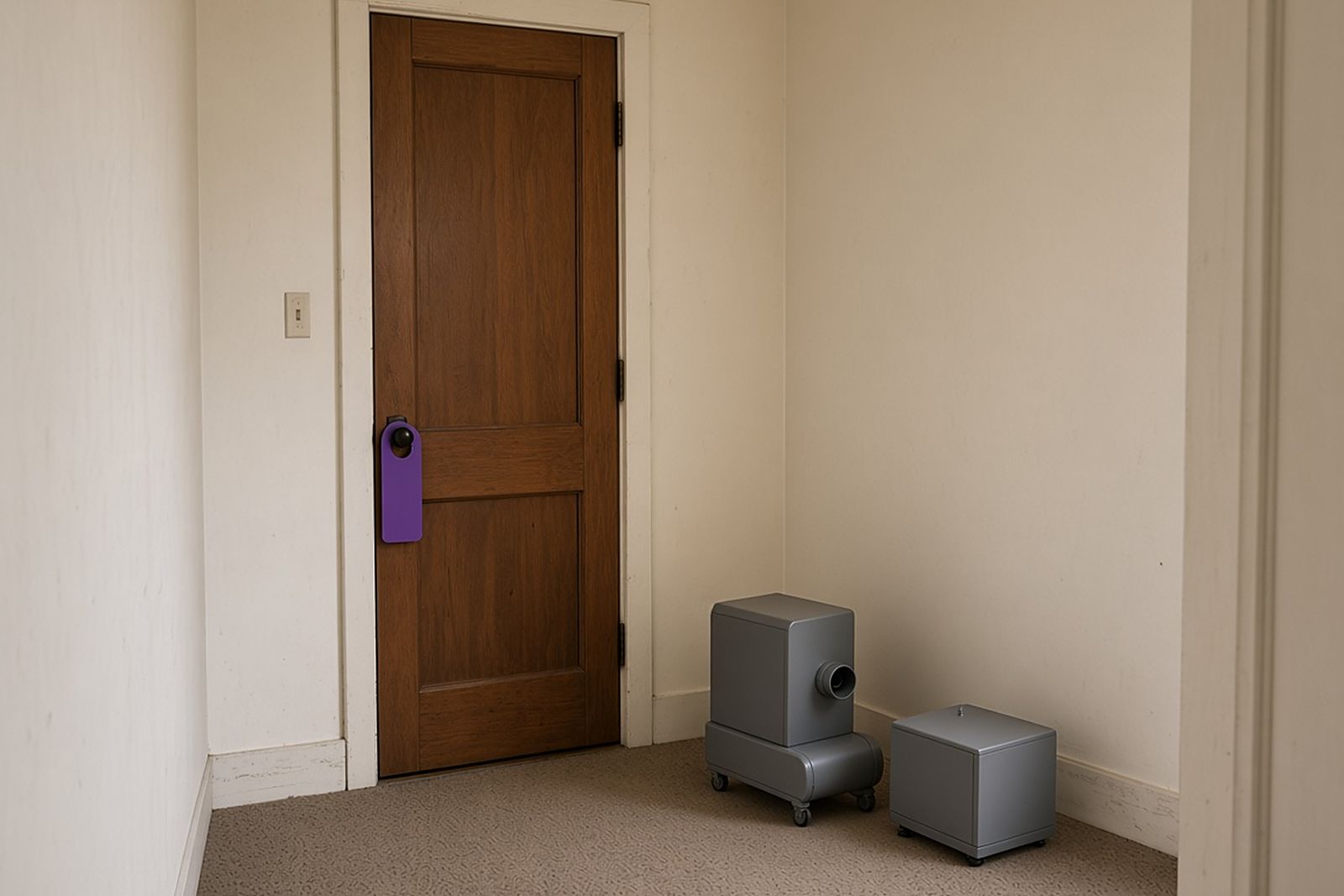
In most cases the tenant's estate, not the landlord, owns the belongings inside. You will want to identify the next of kin or executor, even if authorities have already notified family. Meanwhile, you can usually take steps to protect the building, such as keeping the door sealed, setting the thermostat to a cooler temperature and blocking the gap under the door to reduce odor in the hallway.
Avoid spraying air fresheners or running fans that push air into shared spaces. Masking agents can complicate professional odor work, and fans can move contaminated air through the building.
Limiting the impact on neighboring units
Delayed discovery almost always affects more than one unit's worth of air. Odor can travel through shared ductwork, plumbing chases, electrical penetrations and gaps under doors. Fluids can reach a subfloor and stain the ceiling of the unit below. Flies and other insects can move into hallways and adjacent homes.
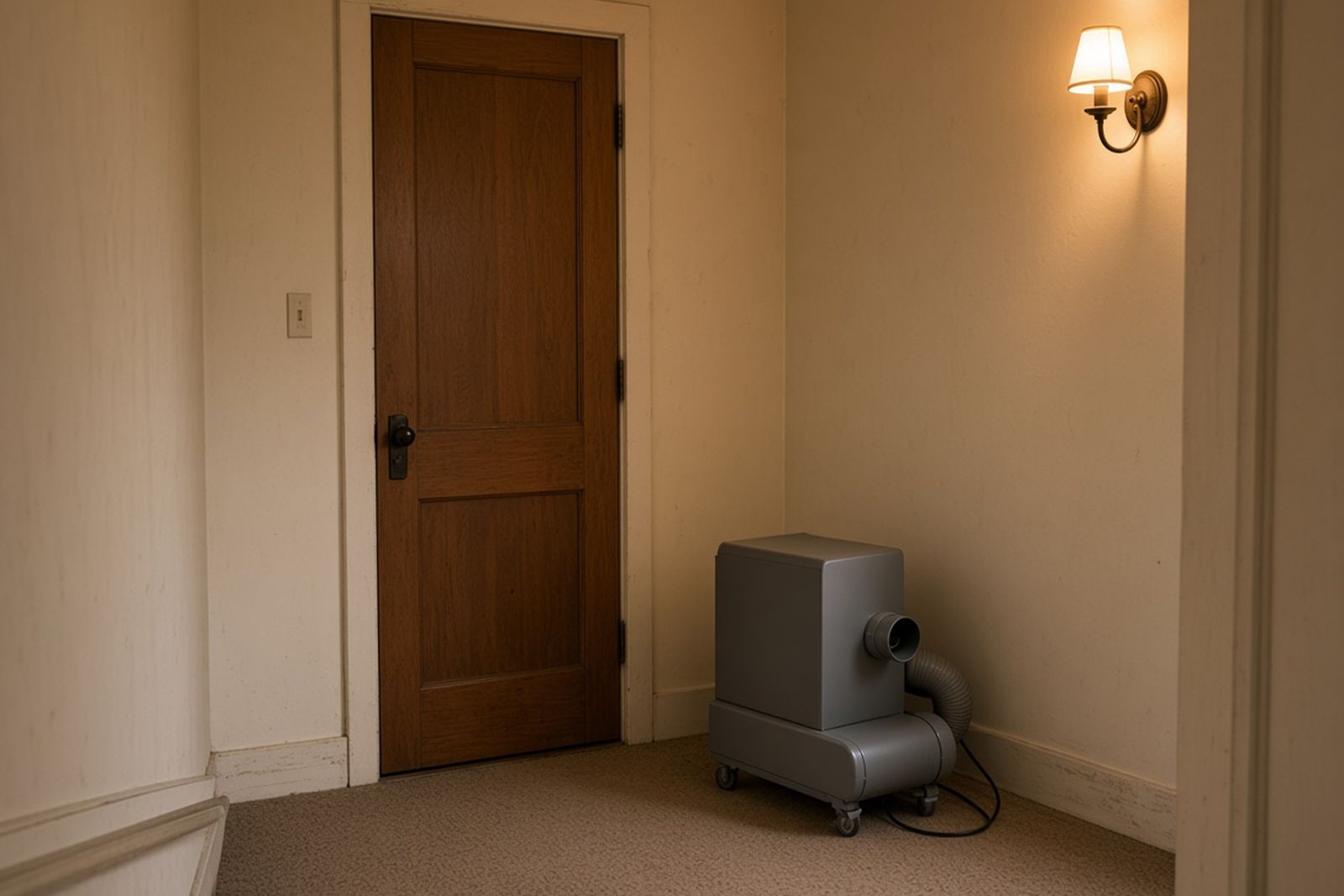
Ask the remediation company to include neighboring spaces in the assessment. They may seal vents and penetrations, run air filtration, treat for insects early and inspect ceilings below. If another resident's home or belongings were affected, document it separately so your insurer and theirs can evaluate it.
Talking with other residents
Neighbors will have questions and sometimes fears. Offer a brief, respectful notice that professional remediation is underway, with the expected dates. If residents ask whether the air is safe, point them to the remediation company rather than guessing, and let them know how to reach you if they notice odor or insects in their own homes over the coming days. Do not share the person's name, the cause of death or how long they were undiscovered. Some residents will be grieving a friend, so a small gesture such as sharing information about a memorial the family is holding, if the family agrees, can mean a lot.
What the cleanup scope should cover
Scopes for these jobs tend to change once flooring is opened, because fluids often travel farther below the surface than anyone can see. A good provider will explain this and describe how they will notify you before expanding the work.
Make sure the scope separates the remediation work from later reconstruction. Painting, new flooring and cabinet replacement usually belong to a general contractor, and blending them into one proposal makes it harder for the insurer to review.
- Containment of the unit and protection of shared vents and hallways
- Insect treatment and monitoring, if flies or other pests are present
- Removal of the mattress, furniture or rugs that absorbed fluids
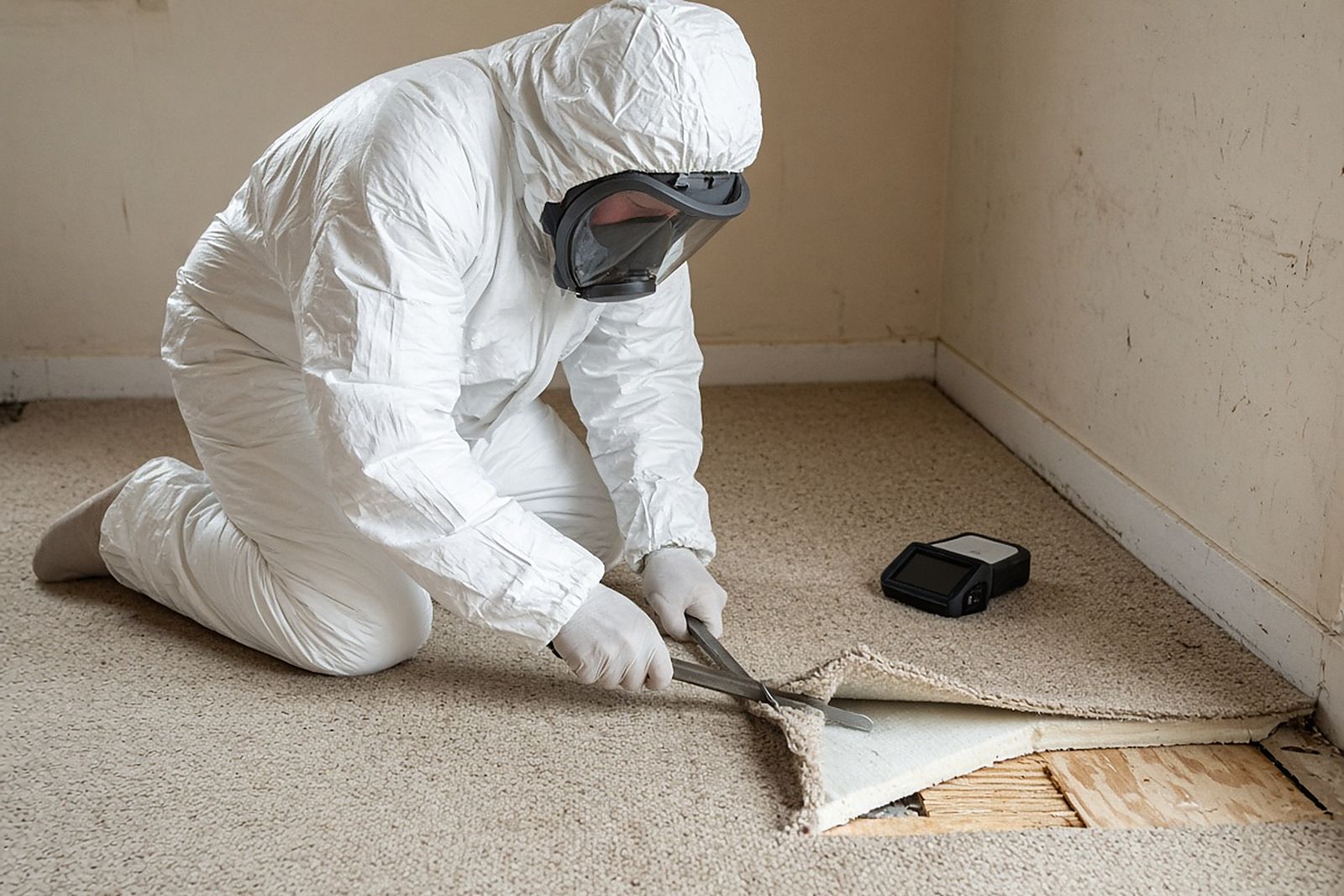
- Staged removal of flooring, underlayment and subfloor as needed
- Baseboard and lower drywall inspection and removal where contaminated
- Odor control method, expected duration and occupancy limits during treatment
- HVAC filter replacement and duct inspection or cleaning
- Inspection of the unit below and any adjacent spaces
- Packing, sorting and inventory of belongings under estate direction
- Waste packaging, disposal records and final verification
How do I handle the estate, belongings and the lease?
Families are often far away and in shock. They may not know the person's finances, whether a will exists or who has authority to act. Be patient and ask for written direction before discarding anything. The remediation company can photograph contaminated items and prepare an inventory so the estate can make informed decisions without entering the unit.
Ask the crew to watch for important papers, keys, jewelry, photographs and electronics during sorting. These often matter a great deal to the family and to whoever settles the estate. Items outside the affected room may only need to be packed and set aside.
Lease termination, security deposits and abandoned property rules differ by jurisdiction, and some places set specific notice periods. Rules vary by state and county, so check with your attorney or local housing authority before assuming you can clear the unit or apply the deposit.
Some families ask whether they should visit the unit before cleanup. That is their choice, but it helps to explain gently what they may encounter and to offer the option of reviewing photographs instead. If they do come, arrange for them to meet the crew supervisor, stay out of the affected room and wear the protective gear the crew provides. Others prefer never to see the space again, and that is equally valid. Either way, a single named contact on your team makes the process far less confusing for them.
A fourth-floor odor, start to finish
Consider a mid-rise where the manager hears from two residents about a strong odor on the fourth floor one late spring morning. The resident of one unit, a retired teacher in her late seventies, has not been seen for about a week. The manager requests a welfare check, and officers find that she died of natural causes.
After the medical examiner releases the unit, the manager calls the owner, the property insurer and a vetted unattended death cleanup company. The crew seals the unit's supply and return vents, sets up air filtration and treats flies in the unit and the hallway. They find that fluids reached the subfloor near the bedroom and that the ceiling below shows a faint stain.
The resident's nephew, who lives in another state, becomes the contact. He reviews photographs and approves removal of the bed, bedroom carpet and a section of subfloor. The crew recovers a folder of documents and a jewelry box, which are cleaned and shipped to him. The downstairs neighbor's ceiling is inspected and scheduled for repair.
Every detail in this walkthrough is made up to show the sequence of decisions; none of it refers to a real building, resident or family.
When can I re-rent the unit, and what should I keep on file?
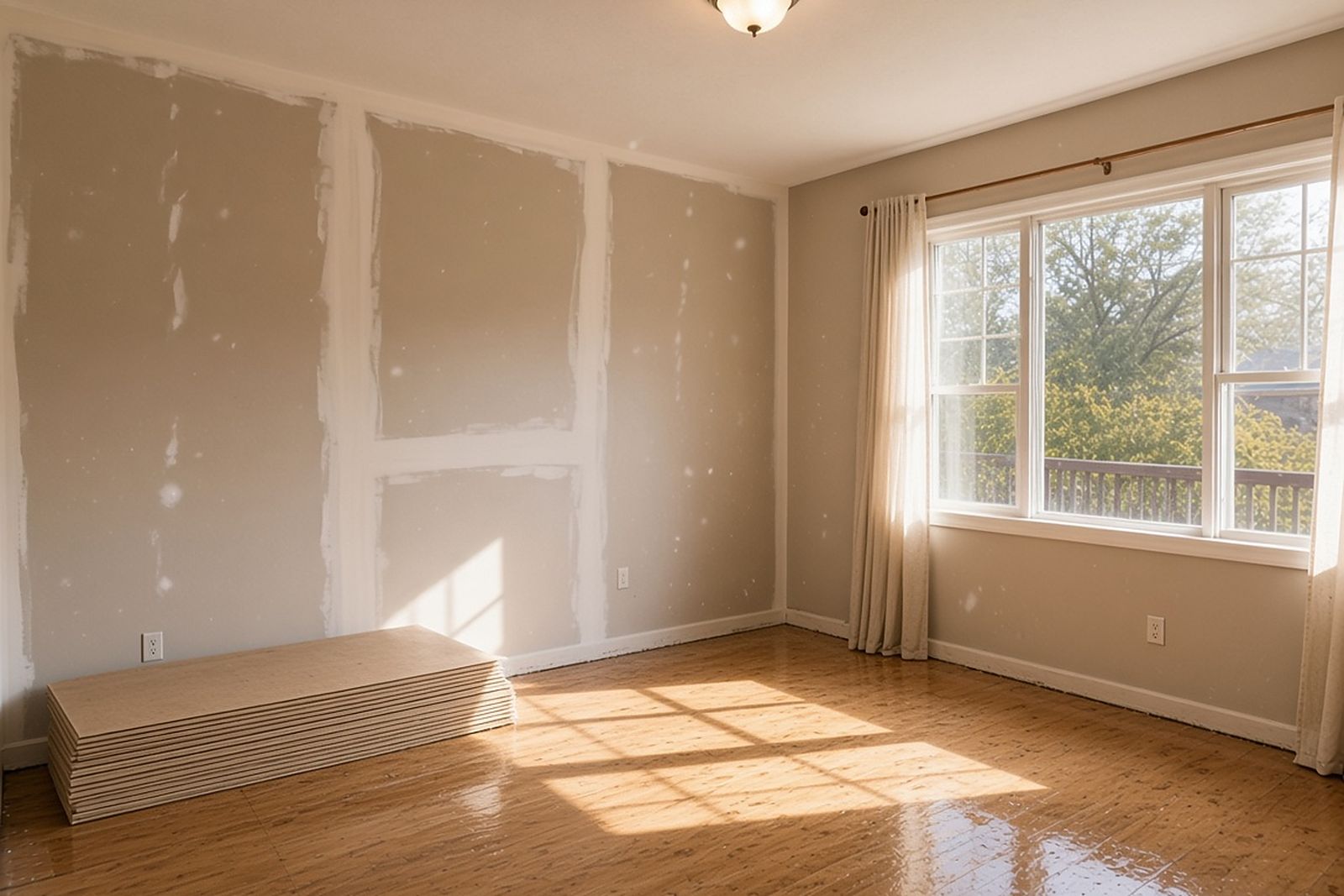
Wait until the remediation company has finished every item on the scope, reconstruction is complete and a walk-through confirms there is no lingering odor. Odor that returns on a warm day or after the heat turns on is a sign that source material remains somewhere, so do not rush.
Whether you must tell future tenants about a death in the unit is a question of local law, and requirements differ. Get guidance from your attorney before advertising the unit.
Keep the welfare check or police report number, the release date, the signed scope and any change orders, photographs, the belongings inventory, written instructions from the estate, disposal records and the final invoice. These records help with insurance, estate questions and any later concerns from neighbors.
Finally, check on your team and the residents who knew her. Discovering that a neighbor died alone can bring up grief and guilt, and it is worth offering support resources along with the practical updates.