Short answer
In unattended death cleanup, ATP testing is a spot check that hard, cleanable surfaces are free of organic residue after decomposition fluids are removed. It cannot measure odor, look beneath flooring, judge sealed subfloor, confirm insects are gone or identify pathogens. Ask for ATP as one piece of a written verification plan that also covers material removal, odor evaluation, photographs and disposal records.
Why these jobs need a verification plan
When someone dies alone and is not found for some time, the home changes in ways that are hard to judge by eye. Fluids move into flooring and the structure beneath it. Odor soaks into drywall, fabric and ductwork. Insects arrive quickly and spread. By the time a family or landlord opens the door, the visible stain is often the smallest part of the problem.
The interval before discovery can be long, and every extra day gives fluids and odor more time to travel.
Because so much of the damage is hidden, the question at the end of the job is not just whether the room looks clean. It is whether every contaminated material was found and dealt with. Verification tools, including ATP testing, exist to help answer parts of that question.
ATP swabs in plain terms
ATP stands for adenosine triphosphate, a molecule found in living and recently living cells. Decomposition fluids, insect residue, food and even skin flakes contain it. A technician rubs a special swab over a measured patch of surface and places it in a handheld reader.
Inside the swab, an enzyme reacts with any ATP and gives off a faint light. The reader turns that light into a number, called relative light units. Higher numbers suggest more organic material on that patch, and lower numbers suggest less.
The test takes seconds, which is part of its appeal. It gives the crew a quick, objective check that goes beyond looking at a surface under a flashlight.
Surfaces ATP can realistically check
ATP works best on hard, nonporous surfaces that can be fully cleaned: ceramic tile, sealed stone, metal, glass, many plastics and finished countertops. In an unattended death, those surfaces might include a bathroom floor, a kitchen counter near where the person was found, a metal bed frame or the base of a toilet.
It is also useful on items being returned to the family. A cleaned jewelry box, a metal picture frame or a hard-sided suitcase can be swabbed so the crew has a record showing it was checked before it was packed.
Beyond that short list, ATP becomes much less meaningful, and a thoughtful provider will say so without being asked.
Hard surfaces near the person are not the only places worth checking. Door handles, light switches and cabinet pulls may have been touched by responders, relatives or the crew during early stages of the job. Swabbing a few of these after final cleaning gives some reassurance that contamination was not carried from the affected room into the rest of the house on gloves or tools.
- Good candidates: tile, sealed stone, glass, metal fixtures, hard plastics, finished counters
- Poor candidates: carpet, mattresses, upholstery, unsealed wood, drywall paper
- Not applicable: subfloor after sealing, wall cavities, ductwork interiors, the air itself
Why can ATP not tell me whether the odor is gone?
Decomposition odor comes from gases and volatile compounds released as tissue breaks down. These compounds drift through the air and settle into porous materials. They are chemicals, not living cells, so an ATP swab has nothing to detect in them.
A counter could read very low while the room still smells strongly, because the source is inside the subfloor, a wall cavity or the return duct. That is one of the most common points of confusion for families who see a low number on a report and then notice odor weeks later.
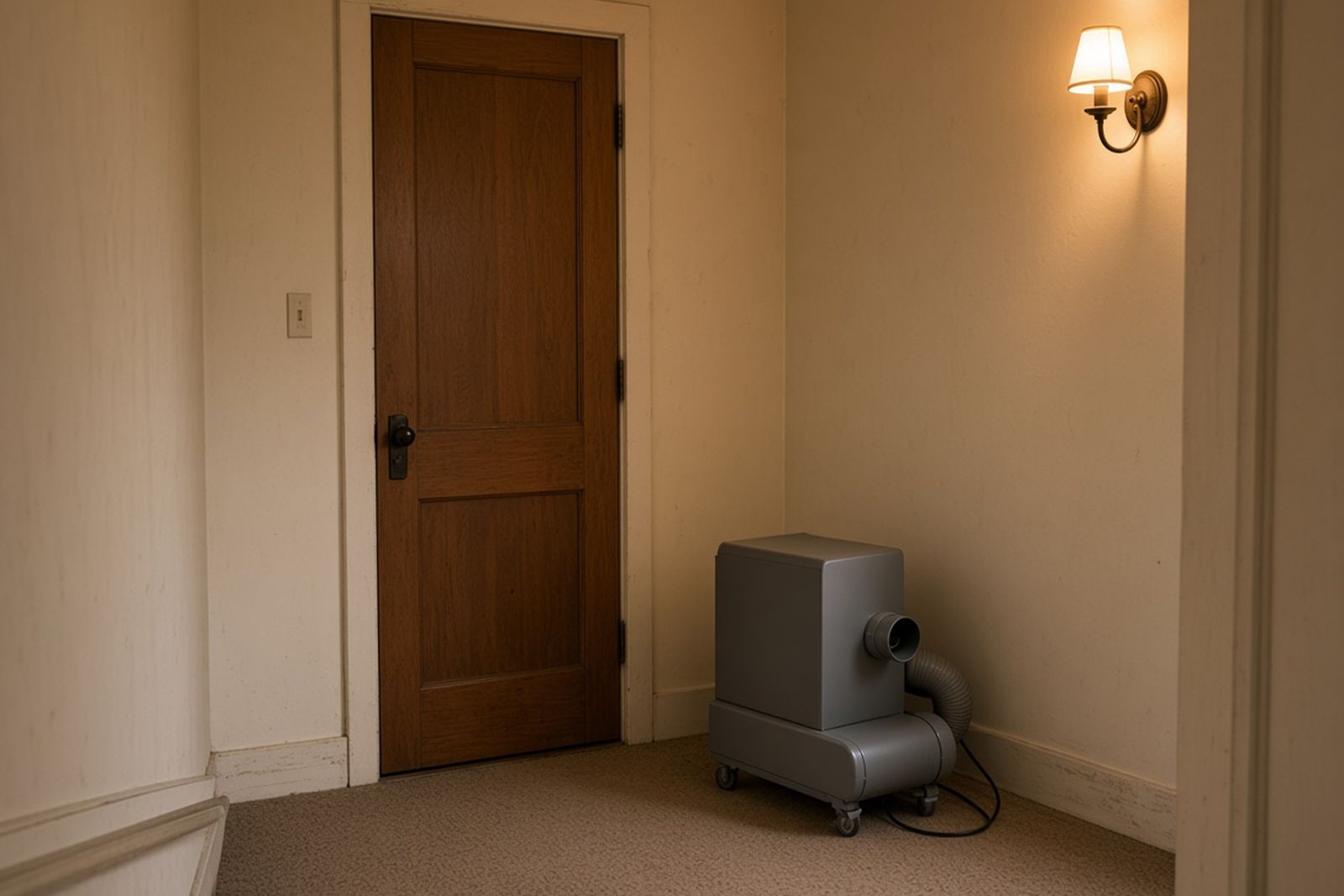
Odor is usually judged by removing source materials, sealing or treating what remains and then checking with a trained nose under realistic conditions, such as closing the home for a day and turning on the heating or cooling. Ask your provider how they plan to evaluate odor and what happens if it returns.
Flooring, subfloor and sealants: where swabs fall short
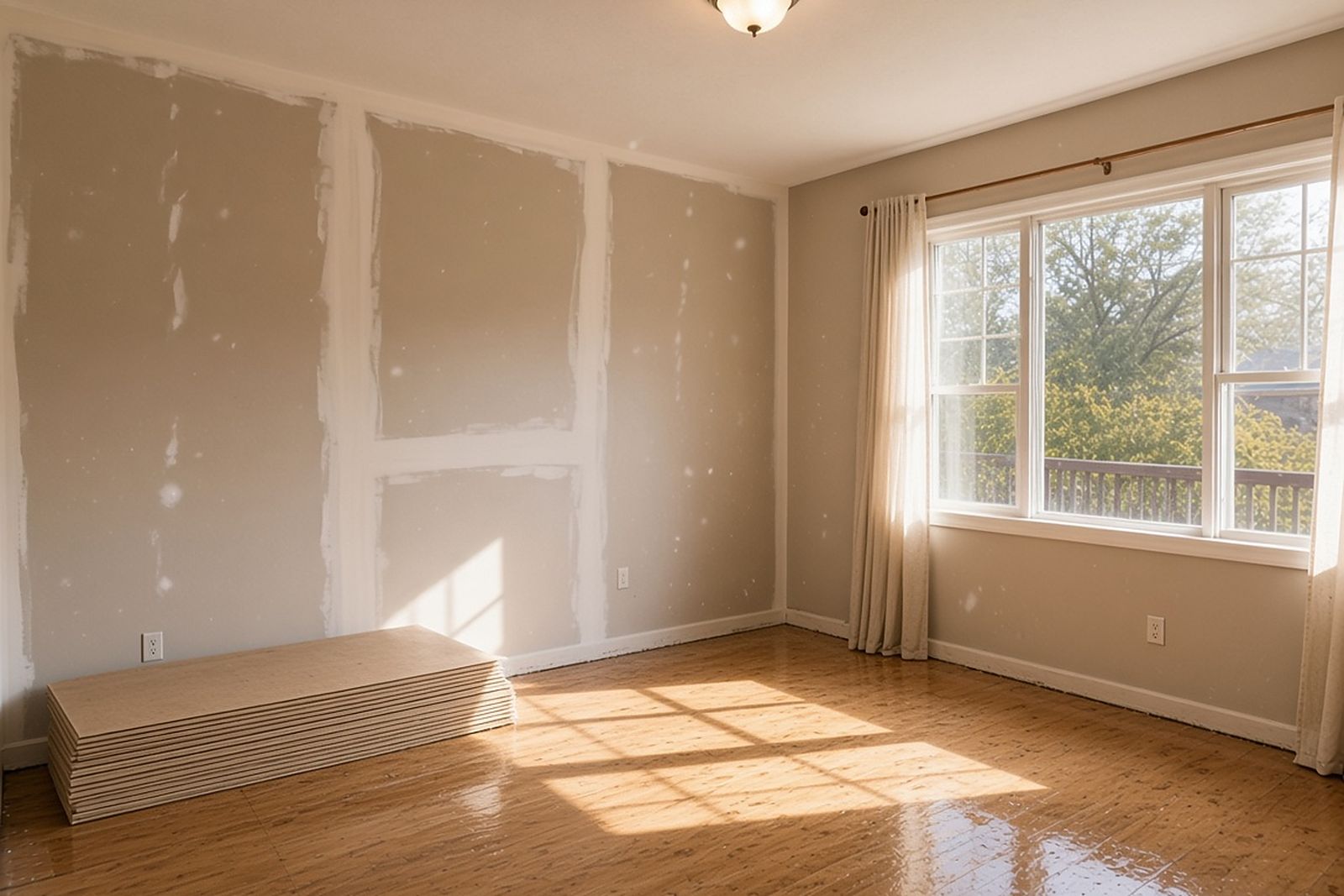
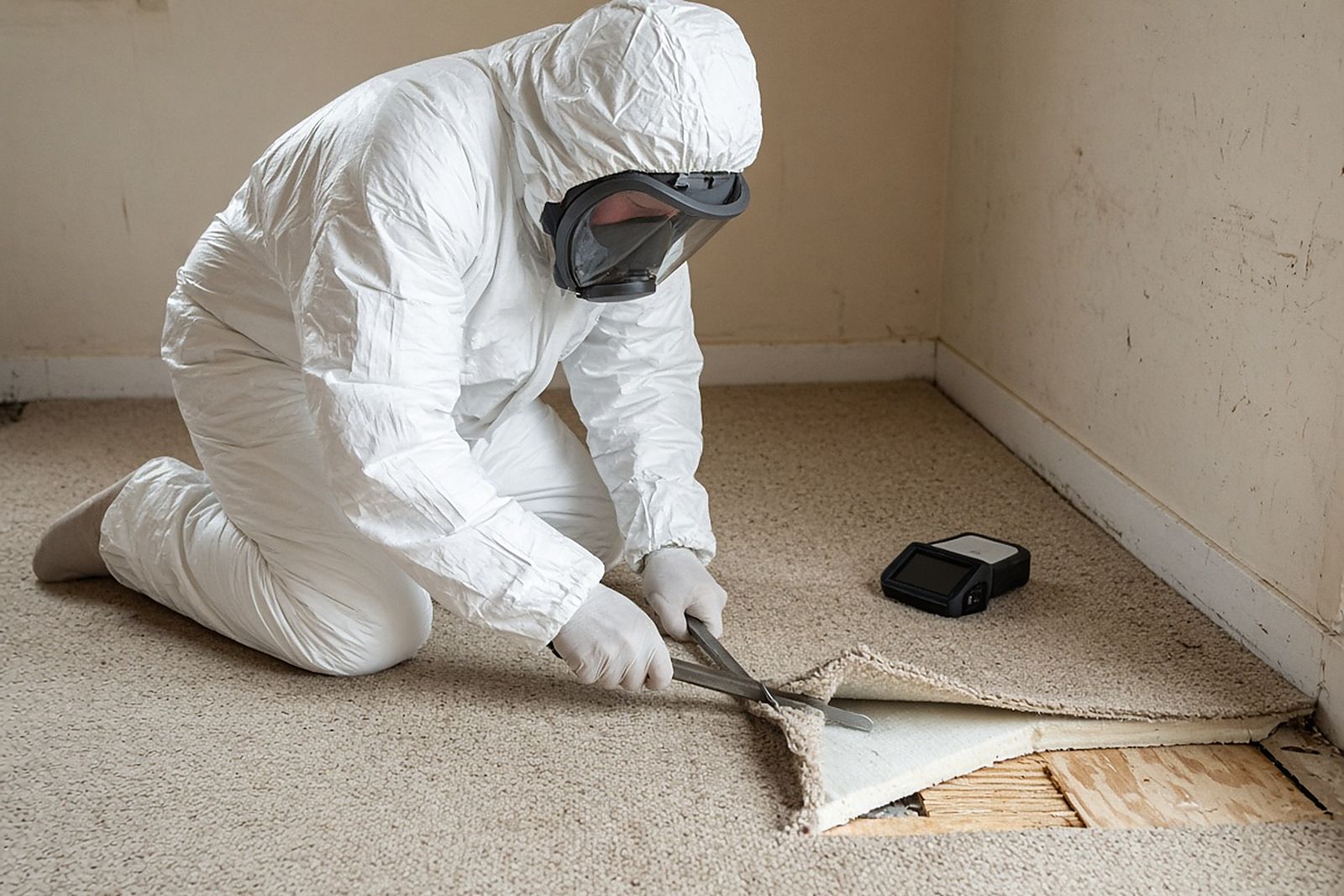
Subfloor decisions are among the most important in these jobs, and ATP plays almost no part in them. Crews look at staining, saturation, odor and structural soundness after lifting the finished floor and underlayment. Heavily affected sections are cut out. Areas that are cleaned but still hold faint staining are often coated with a sealing product before new flooring goes down.
Once a sealant is applied, a swab only touches the coating. A low reading tells you the coating is clean, not that the wood underneath is free of residue. Swabbing unsealed plywood is equally unreliable, because the grain holds material the swab cannot reach.
The best evidence for subfloor work is photographic: pictures before removal, after removal, after cleaning and after sealing, with the area marked on a floor plan.
Can cleaning products throw off the readings?
Yes, and this matters more in unattended death work than in many other jobs. Crews often use enzyme or microbial products to break down organic residue and reduce odor. Some of these products contain biological ingredients or live microbes, which can themselves raise an ATP reading.
Other chemicals, including some disinfectants, may dampen the light reaction and make a surface look cleaner than it is. The reliable approach is to test at a consistent point in the process, following the ATP system's instructions and the product labels, and to note which products were used on each spot.
If a report shows readings without saying when they were taken relative to cleaning, disinfection and any enzyme treatment, ask for that information before relying on the numbers.
Temperature and humidity can matter too. Some ATP systems ask that swabs be stored and used within a certain range, and homes without power or heat after a death can fall outside it. A careful technician notes the conditions and follows the manufacturer's directions rather than improvising.
ATP in one house, from hallway to bathroom
The walk-through below is a made-up illustration. An 82-year-old man living alone in a single-story house is found about two weeks after his death, during a cool autumn. He had collapsed in the hallway between the bedroom and bathroom. His daughter, who lives three states away, hires a company after the coroner releases the house.
The crew removes the hallway carpet and pad, cuts out a stained section of subfloor and seals the adjacent area. Those decisions are documented with photographs, not swabs. In the bathroom, where fluids reached the tile and the base of the vanity, the technician cleans and disinfects, then takes ATP readings at four marked spots. All four fall below the company's written target.
Odor is handled with air filtration and a closed-house check after the heat has run for a day. A family clock and a box of letters from the bedroom are cleaned, swabbed and packed. The daughter receives a report that lists each ATP reading with a note on what was not tested and why.
No real house or family is described. The details are included only to show where ATP helps and where other evidence carries the load.
The final report beyond ATP numbers
ATP results are most useful when they sit inside a complete record. Before you accept the job as finished, make sure the report tells the whole story of the home, not only the parts that produced tidy numbers.
Documentation needs vary. An insurer, a probate attorney or a housing inspector may ask for particular records, so confirm with your adjuster or the estate's attorney before the crew demobilizes.
- A floor plan showing affected areas, removed materials and sealed sections
- Photographs at each stage of removal, cleaning and sealing
- ATP readings with location, timing, product notes and the target used
- The odor evaluation method and the conditions it was checked under
- Insect treatment notes and any follow-up checks
- An inventory of belongings returned, discarded or held for the estate
- Waste disposal records
Talking with a provider about ATP
Ask which surfaces they plan to swab and why, which system they use and what target they compare against. Ask how they handle enzyme products in relation to testing and whether they will share every reading, including any retests. Most importantly, ask how they verify the things ATP cannot reach: subfloor, wall cavities, ductwork and odor.
It is also fair to ask whether ATP testing adds to the price and, if so, how many readings are included. Testing is not required in every job, and a company that uses it sparingly but explains its choices may be giving you better value than one that fills a report with numbers from places that did not need them. What you want is a verification plan matched to the home you are dealing with.
A provider who answers those questions plainly is usually one who will be honest about the rest of the job. Handling the home of someone who died alone is heavy work for families, and clear information about what was done, and how it was confirmed, can make the next steps a little easier to carry.