Short answer
When comparing local and national unattended death cleanup providers, focus on who will actually do the work, whether they can return for odor checks, how they coordinate with landlords and distant executors, how they handle belongings and how clearly they document the job. Size matters less than transparency. Ask every company the same questions, and be wary of referral lines that cannot name the crew.
A choice often made from far away
Unattended deaths frequently involve people who lived alone, and their closest relatives often live in another city or state. An executor may be searching online late at night, hundreds of miles from the home, trying to choose someone they will never meet in person before work begins.
That distance shapes the decision. Remote families tend to click on the first large-looking result, which is often a national brand or a referral service. Local providers may be excellent but less visible in search results. Knowing the differences helps you ask the right questions from wherever you are.
Take a breath before calling. Unless the landlord or authorities are pressing for immediate action because of odor or insects affecting neighbors, you usually have time to speak with more than one company.
Four kinds of providers
Local companies are based near the property and send their own crews. Regional firms cover a broader area, sometimes across several states, from a few offices. National brands operate through company-owned branches or franchises. Referral services and call centers collect requests and pass them to partner companies, sometimes without saying so.
Each can deliver good work. The risk is not the business model but uncertainty about who will actually be in your loved one's home and who is accountable for the result.
A quick test helps. Ask the person on the phone for the legal name and address of the company that will send technicians, then look that company up yourself. If they cannot or will not tell you, you are probably speaking with a referral service, and you should decide whether you want your family's details passed along before sharing them.
- Local firm: own crews, local knowledge, often owner-involved
- Regional firm: several offices, more capacity, some local familiarity
- National brand: standardized procedures, larger resources, quality varies by location
- Referral line: routes your request to a partner; ask which one before sharing details
Why does odor follow-up favor someone nearby?
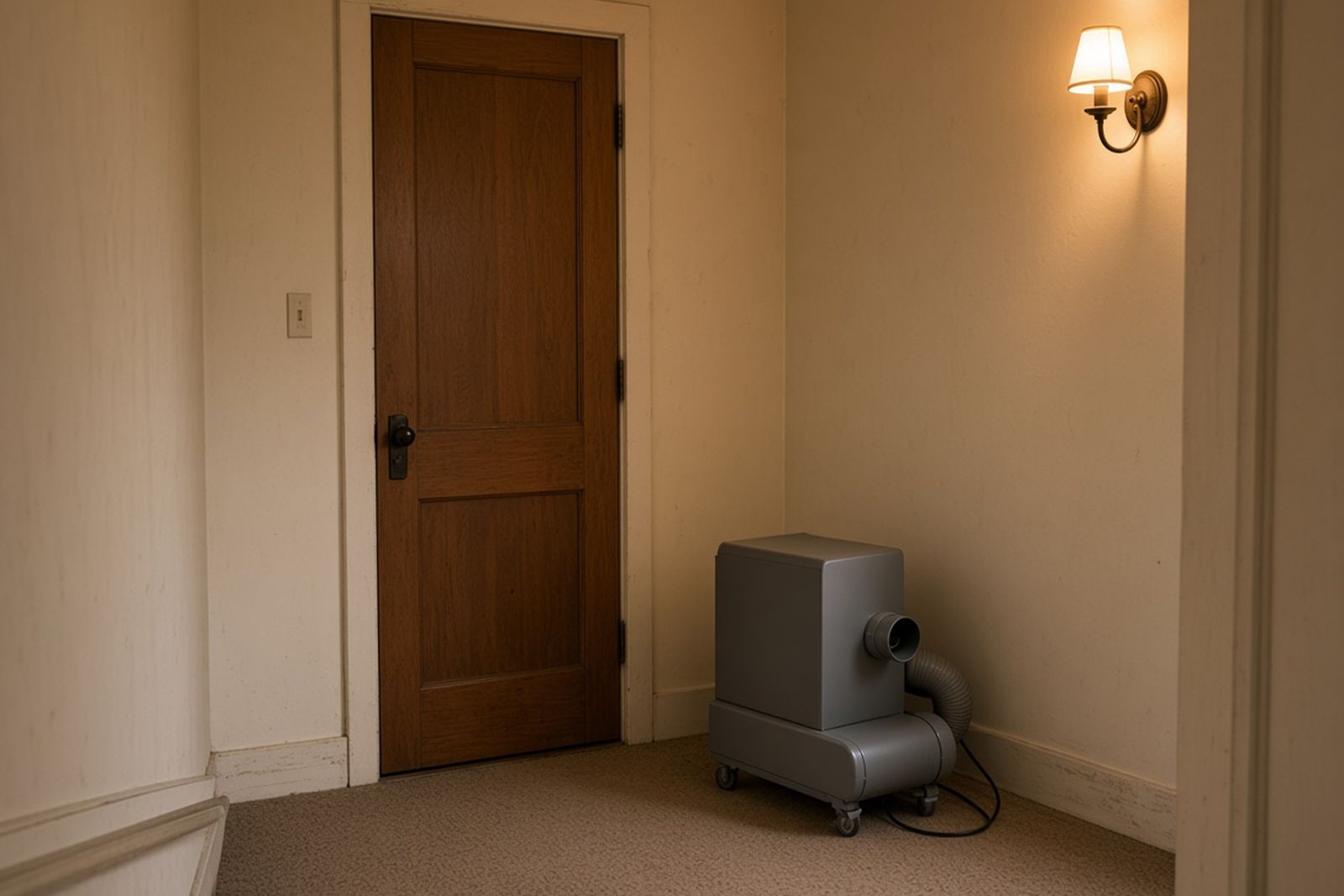
Odor is the defining challenge of unattended death cleanup, and it does not always resolve on the first visit. Once the heating or cooling runs normally, or on the first warm day, faint odor can reappear from a missed source in a wall cavity, subfloor or duct.
A provider close to the property can return quickly to check, retreat or remove additional material. A company based far away may need to schedule a trip, which can mean days of delay and additional travel costs.
Whoever you choose, ask directly: What happens if odor returns after you leave? How soon can someone come back, and is that visit included? Their answer tells you a lot about how they stand behind their work.
Distance also affects insect follow-up. Flies and beetles can reappear from pupae hidden in baseboards or furniture a few days after the first treatment. A local crew can check traps and retreat without a long trip, while a distant provider may ask the building manager to watch for activity and report back.
Belongings, landlords and building managers
Unattended death jobs usually involve a household of possessions. The executor needs documents, valuables and keepsakes found and protected, while contaminated items are documented and discarded.
Some national and regional firms have well-developed systems for inventory, packing, storage and shipping, which can be valuable when the family is far away. Some local firms have strong relationships with nearby estate sale companies, donation centers, movers and junk removal services, which can make clearing the rest of the home easier.
Ask how the provider documents belongings, whether they photograph items before disposal, how they ship recovered items and whether they can coordinate with other vendors for unaffected rooms. The best fit depends on whether you need the home fully cleared or only remediated.
Shipping deserves specific questions. Ask how items will be cleaned and packed before they travel, whether odor-carrying textiles will be sealed separately and whether valuable items will be insured in transit. For a distant executor, the box that arrives on the doorstep may be the first physical connection to the person in weeks, so careful packing matters.
When the home is a rental or condominium, the provider must work with the landlord or association as well as the estate. Local firms may already know the property management companies in the area and their expectations. National firms may have formal processes for property management clients.
Ask how the provider will communicate with the landlord, whether they will inspect neighboring units for odor or fluid migration and how they will handle scheduling in a shared building. Clear lines of communication prevent delays and misunderstandings when you cannot be present.
Landlord and estate responsibilities are legal questions, so the provider should not give legal advice. An estate or landlord-tenant attorney can confirm what each side owes.
Building managers are often the most useful source of local knowledge. Many have dealt with an unattended death before and can tell you which companies worked well in their building and which caused problems. Their opinion is not a guarantee, but it is grounded in direct experience with your specific property.
Comparing prices, and questions for every company
Pricing for this work varies widely by region, scope and billing method. As a general reference, Fixr's 2025 guide lists unattended death cleanup at $200 to $300 per hour and hoarding cleanup at $25 to $150 per hour or about $1,000 per day. Those figures are only one cost guide's snapshot and not a quote for any particular home.
Compare the scopes behind the numbers. One bid may include subfloor removal, odor treatment, HVAC cleaning and pest control, while another covers only surface cleaning. Ask whether travel, equipment rental, waste disposal and return visits are included or billed separately.
Be careful with any company that insists on payment in full before assessing the home or claims insurance will definitely pay. Only the carrier can make that decision.
Ask each provider the same questions and write down the answers. It is the easiest way to compare fairly when you are tired and grieving.
Pay attention to how they speak about your loved one and the home. Respectful, patient language is a good sign of how they will act when you are not there to watch.
- Which company's employees will be in the home, and who is the supervisor?
- Will you do an in-person assessment and send a written scope with photos?
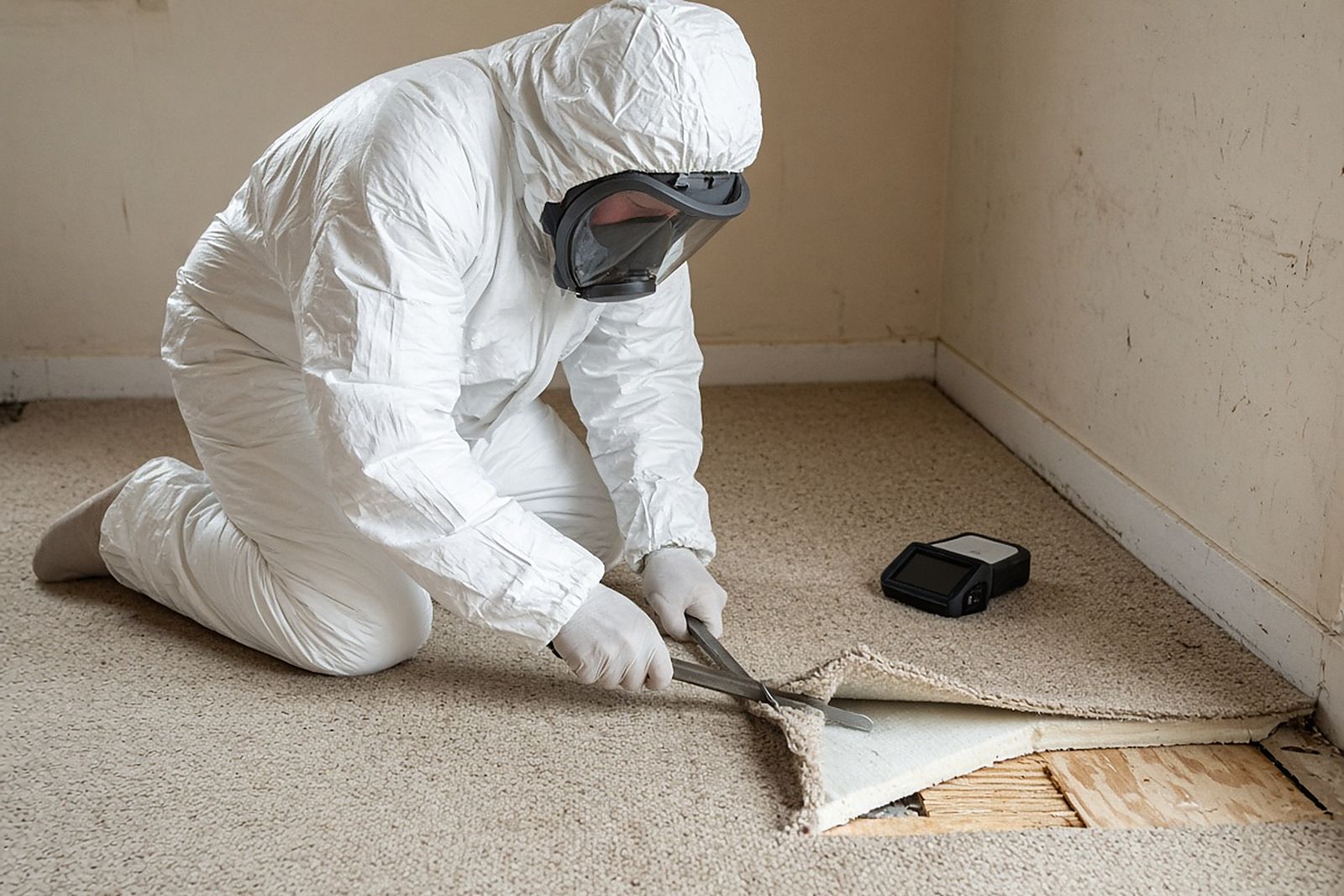
- How will you trace fluids under flooring and into neighboring units?
- What is your odor treatment plan, and what happens if odor returns?
- How will you find, protect and ship important belongings?
- Can you provide insurance certificates and waste disposal records?
- How will you communicate with me and with the landlord while I am away?
One remote family's comparison
The following comparison is made up for illustration. An executor, Priya, lives on the West Coast. Her uncle died in his apartment in a Midwestern city and was found about twelve days later. The building manager asks her to arrange cleanup within the week.
She calls a national number from the top of her search results and learns it is a referral line that cannot tell her which company will come. She then calls a national brand's local franchise and a family-owned company recommended by the building manager. Both send supervisors to assess the unit and share photographs by email.
The franchise offers strong inventory and shipping procedures. The local company explains that it is twenty minutes away and includes one return visit for an odor check. Priya chooses the local firm because odor in a shared building worries her most, and asks them to ship her uncle's documents and photo albums. Priya and her uncle are not real people, but the trade-off she weighed is a common one.
Making the final call
Choose the company that answers your questions most clearly, can show you who will do the work, has a real plan for odor follow-up and treats your loved one's belongings with care. Whether the name on the truck is local or national matters much less than those qualities.
If two providers seem equally strong, consider practical tie-breakers: which one can start sooner, which one explained the odor plan more convincingly and which one made you feel more at ease on the phone. Grief makes these decisions harder than they look on paper, and it is fine to choose the company that simply felt more trustworthy.
Handling a relative's death from far away is exhausting. Give yourself permission to rely on people you trust nearby, such as a friend of the deceased, a building manager or a local attorney, to be your eyes on site. You do not have to carry every decision alone.