Short answer
Unattended death cleanup takes as long as the home's condition requires, and the biggest factor is how long the person went undiscovered. Longer intervals mean deeper fluid migration, more structural removal, insect activity and stubborn odor. Confirming who can authorize work, locating estate documents, coordinating with neighbors or associations and arranging repairs add time. Only an on-site assessment gives a reliable schedule.
Why the timeline differs from other cleanups
Most cleanup jobs start the moment something goes wrong. An unattended death is different because the damage began before anyone knew. By the time a neighbor, landlord or wellness check finds the person, the home may have spent days or weeks changing in ways that are invisible from the doorway.
Delays in discovery are common, especially for people who live alone, and they happen in apartments, houses and senior communities alike.
That gap is the single largest influence on how long the cleanup takes, because every extra day allows fluids, odor and insects to spread further.
Who has to say yes before work can begin?
Before any work can begin, the medical examiner or coroner and, when involved, the police must finish their part and release the property. For natural deaths this can be quick, but it can take longer if the cause needs investigation or identification takes time.
Then comes a question that often slows things down: who has authority to hire a cleanup company? It may be a next of kin, an executor named in a will, a court-appointed administrator, a landlord or a property manager. In rentals, the landlord may authorize cleaning of the unit while the family decides about belongings. When there is no obvious next of kin, local agencies may need time to locate relatives.
Providers usually need written authorization from someone with legal standing before they start. If you are not sure whether you qualify, ask an estate attorney, the probate court or the landlord. The probate court in the county where the person lived can explain what paperwork an executor or administrator needs.
How time before discovery changes the work
When a person is found soon after death, the affected area may be limited to a bed, chair or small section of floor. When discovery takes longer, fluids move through furniture and flooring into subfloor, framing and sometimes the ceiling below. Odor becomes absorbed into drywall, fabrics and ductwork. Insects may spread through several rooms.
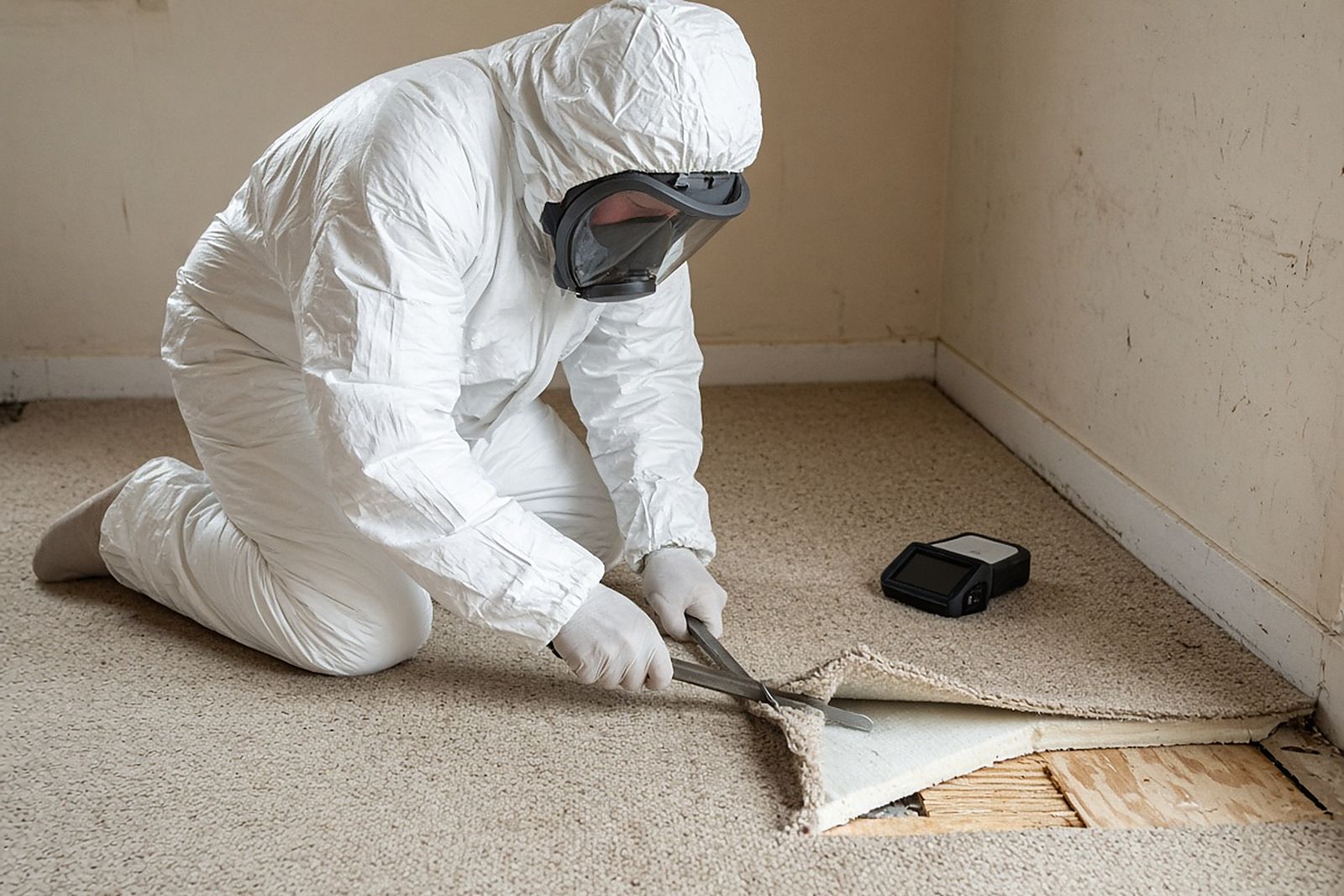
Each of these adds distinct steps. Structural removal involves cutting out and bagging flooring and wall materials, cleaning and disinfecting what remains and often sealing wood that is kept. Insect control involves removal, cleaning of areas where insects gathered and sometimes a pest control visit. Odor control may involve several days of air treatment with the home unoccupied.
A provider should explain which of these steps apply and roughly how they will sequence them, then confirm details once flooring is opened.
- Removal of furniture, bedding and flooring in the affected area
- Inspection and removal of subfloor, baseboards or lower drywall as needed
- Cleaning, disinfection and sealing of remaining structure
- Insect removal and treatment in all affected rooms
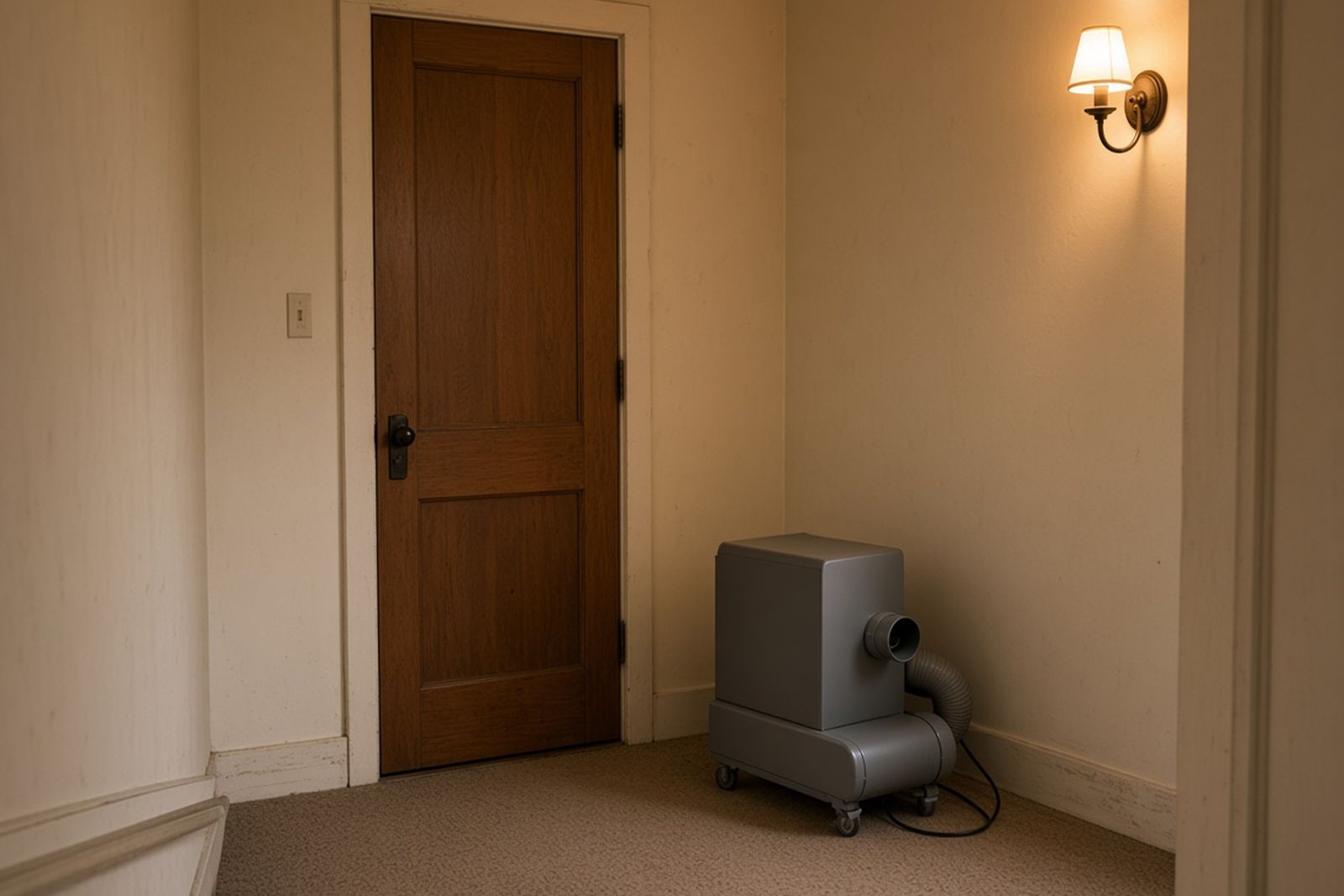
- Odor control, air filtration and HVAC filter replacement
- Checks of adjacent units in shared buildings
Why a neighboring unit may join the schedule
In apartments, condominiums and townhomes, the effects of an unattended death do not always stay inside one unit. Fluids can pass through floor assemblies into the ceiling below. Odor can travel through shared walls, plumbing chases and ventilation. Flies may appear in hallways or neighboring homes.
When that happens, the provider may need access to another resident's space, which depends on the association or landlord arranging entry. Neighbors may also have their own insurers. These conversations take time, but they are essential for a complete job. Stopping at the unit line when contamination has crossed it usually means odor or stains return later.
If you are the family contact, you are not expected to negotiate all of this yourself. Ask the provider to communicate directly with the building manager, with your permission.
Belongings and estate papers
Families often need specific items quickly: a will, insurance policies, bank statements, keys, a phone, medications that must be disposed of, or a pet's records. Others want photographs, jewelry or heirlooms preserved. A good provider will ask what to look for and set aside anything that appears important.
Searching and sorting take time, especially if the home is full or cluttered. Items from the affected area may need cleaning or deodorizing before they can be returned, and some may not be salvageable. The crew should ask before discarding anything personal and can photograph items that cannot be saved.
If the home contains a large volume of belongings, you may want to separate the decontamination work from general clean-out. Decontamination of the affected area is usually the priority. Estate sorting, donation and removal of unaffected contents can follow at a gentler pace.
A typical three-day sequence
A realistic schedule usually unfolds in stages rather than one continuous push. On a job where fluid has passed through a mattress into the carpet and pad, stained the concrete slab beneath and drawn flies into two rooms, a common sequence looks like this.
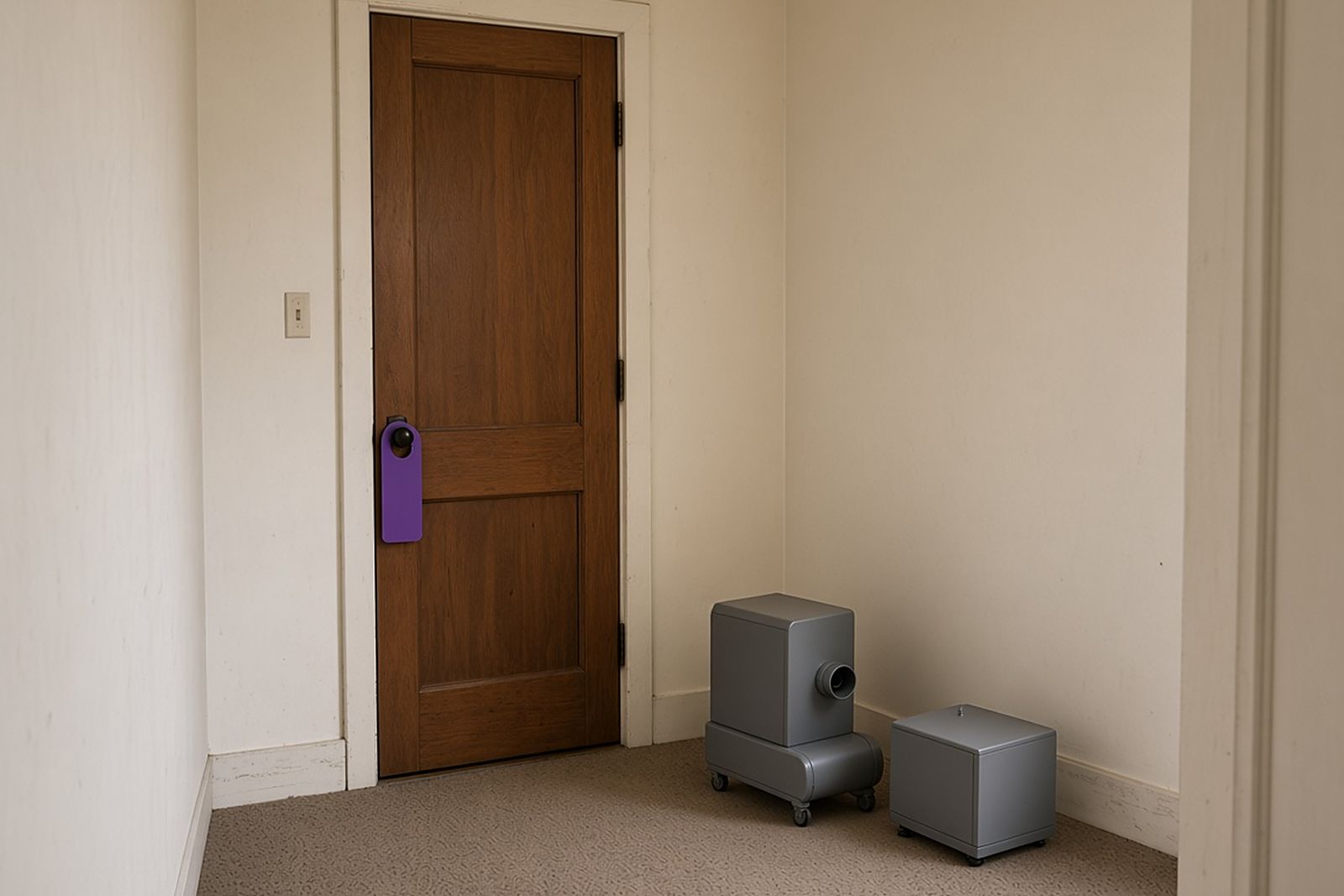
The first day goes to containment and removal of the bed, carpet and pad. The second goes to cleaning, disinfecting and sealing the slab and cleaning baseboards and walls. The third covers insect treatment, a new air filter and the start of air treatment, with the unit kept empty. A return visit a couple of days later confirms the odor is gone and completes verification.
Alongside that work, the crew sets aside documents, jewelry and photographs for the family. A separate estate clean-out service can handle the remaining furniture later, once decontamination is finished.
Can anything shorten the process safely?
Some things can help without cutting corners. Identify one person to make decisions and approve changes. Gather authorization documents early. Tell the provider which items you need urgently. Make sure power and water stay on, since the crew needs both.
What should not be rushed is the removal and verification. If a crew stops at the visible edge of the damage, or skips checking beneath flooring, odor and stains are likely to return. A second visit costs more time than doing it thoroughly the first time.
Be wary of any provider who promises a fixed completion time before seeing the home. After an unattended death, the honest answer is almost always that the schedule will be confirmed once flooring is opened.
It also helps to decide in advance how you want updates. Some family contacts want a call at the end of each work day. Others prefer a single message with photos when a stage is finished. Telling the provider your preference saves back-and-forth and keeps decisions moving.
Finishing the job, and looking after yourself
The home is ready when the provider has completed verification, removed all waste, given you documentation and confirmed that people can safely enter without protective equipment. Verification may include inspection under strong light, odor checks after the space has been closed up for a time and, with some providers, ATP swab readings.
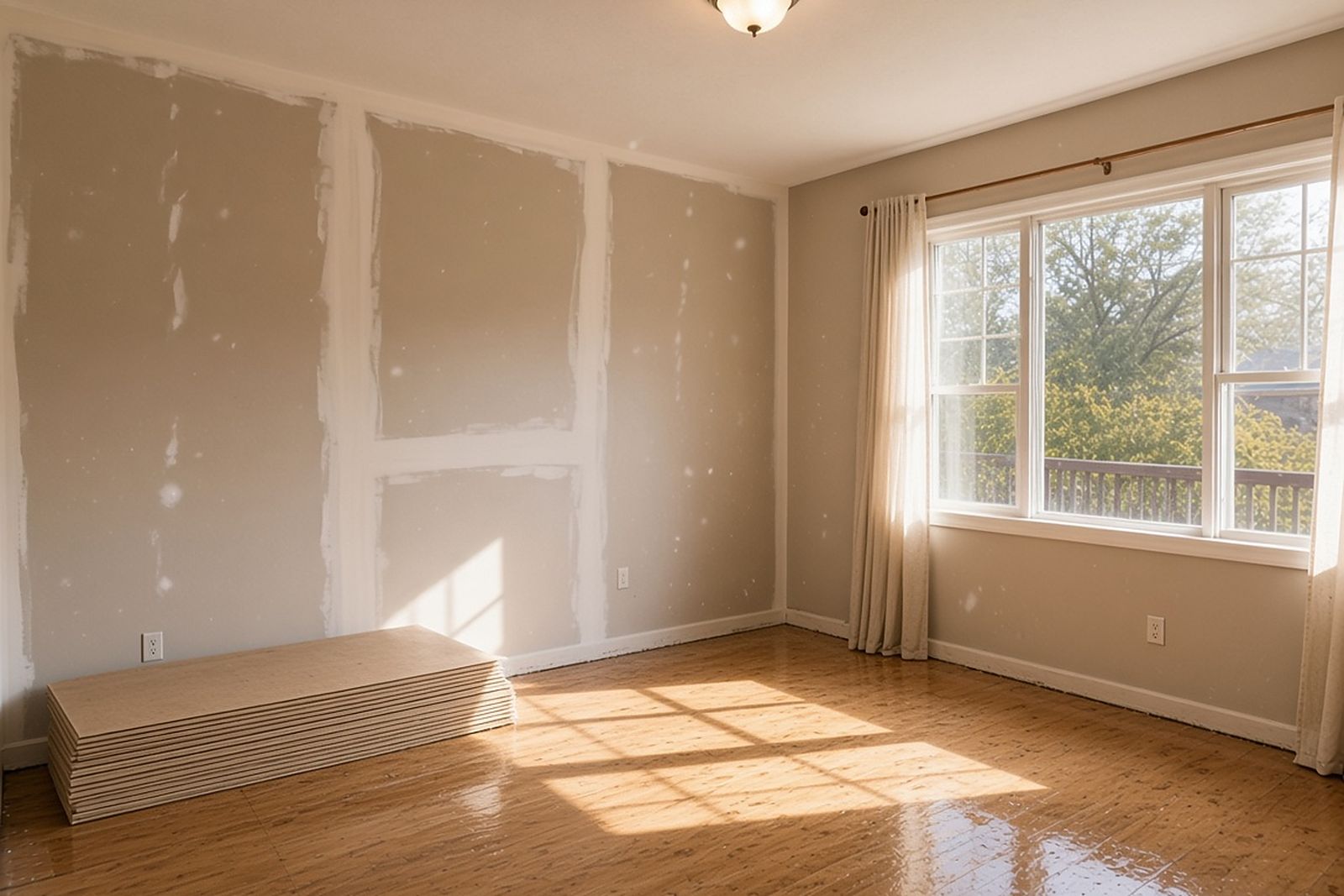
Repairs such as new flooring or drywall usually follow, often through a separate contractor. If the property will be sold or re-rented, keep the closing summary and disposal records. They help answer questions and show that the work followed a clear process.
Ask the provider to walk you or your representative through the finished space, either in person or by video, so you can see the result and ask questions before signing off.
Unattended deaths often bring a particular heaviness: questions about what you could have done, sadness that your loved one was alone, and stress about practical tasks from far away. These feelings are common. Many people who live alone value their independence, and their families loved them well.
Let the professionals carry the physical work. Lean on friends, clergy, grief counselors or support groups for the rest, and allow the estate and the home to unfold at a pace you can manage.
If guilt keeps returning, try to remember that discovery delays usually say more about how quiet and private a life was than about how much it was loved. Talking with others who have been through an unattended death, whether in a grief group or with a counselor, can help loosen that weight over time.