Unattended Death Cleanup: Process & What to Expect
Property-specific walkthroughs for unattended death cleanup: assessment, scope approval, hazard controls, material decisions, documentation, verification, and restoration handoff. Not every phase applies to every incident.
Posts in this category follow a job from the call after a welfare check to the final walk-through with the estate or landlord. You will read what to do before a provider arrives. You will learn how long this kind of cleanup tends to take and why it varies. You will see how workers map the spread of fluid, which reaches well past the stain. And you will learn why odor machines are saved for late in the job. Articles also show what sealing off an area looks like in a small apartment. They explain how belongings get sorted into keep, clean, and throw-away groups.
Get an email reply about unattended death cleanup
Send a short message to the follow-up inbox. A coordinator can reply by email. This form does not send emergency help; call 911 first if anyone is in danger.
Knowing the order of the work helps. The choices often fall to someone who never lived in the home and may be handling it from far away. You may be asked to approve lifting a subfloor or letting the crew into a nearby unit. You may have to decide about furniture that smells but that fluids never touched. Knowing why each step happens lets you respond calmly and keep the estate's interests in mind. It also helps you avoid paying for a quick deodorizing visit that leaves the source in place. And it helps you brief a neighbor or relative who may meet the crew at the door for you.
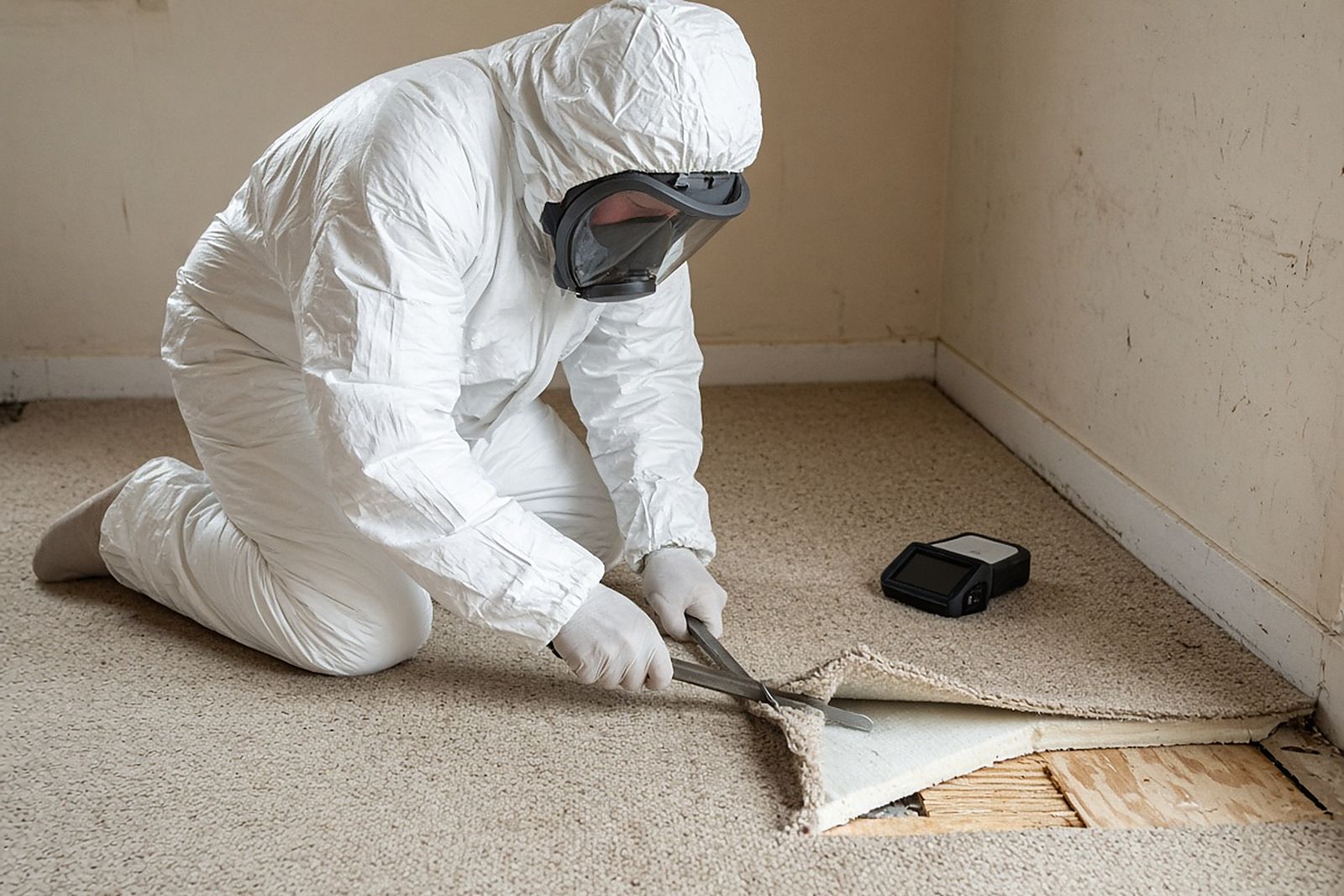
What to Expect During Professional Unattended Death Cleanup
What happens when professionals clean a home after a death that went undiscovered: release, assessment, staged flooring removal, odor, insects and sorting.
After the medical examiner or coroner releases the home, an unattended death cleanup team assesses how far fluids, odor and insects have spread, then writes a scope. Expect containment, staged removal of flooring and wall materials, odor control that may run several days, pest treatment, careful sorting for documents and keepsakes, regulated waste disposal and a final verification before any repairs begin.
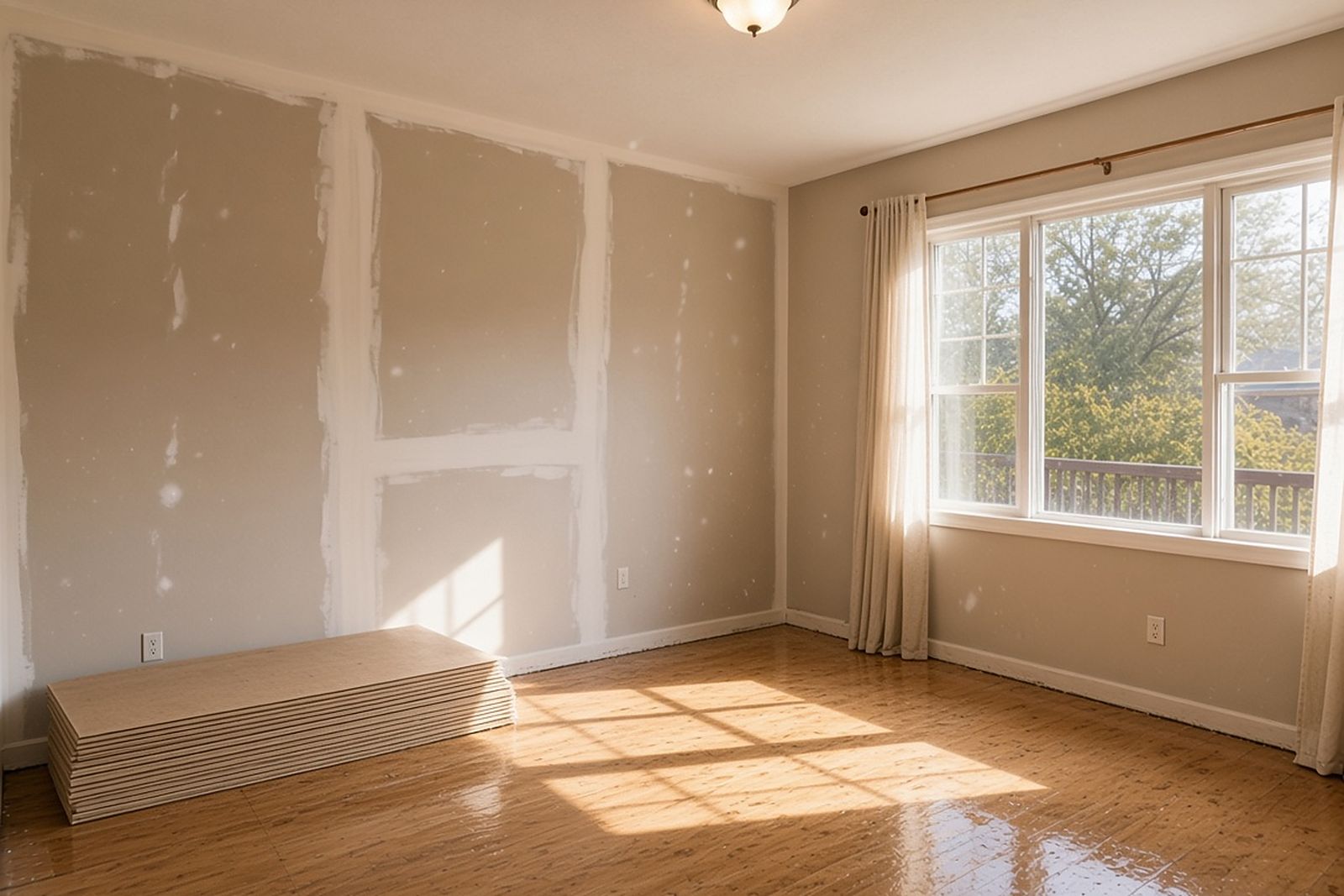
How Long Does Unattended Death Cleanup Take?
Why unattended death cleanup can take longer than families expect: authority to act, time before discovery, subfloor removal, insects, odor and estate items.
Unattended death cleanup takes as long as the home's condition requires, and the biggest factor is how long the person went undiscovered. Longer intervals mean deeper fluid migration, more structural removal, insect activity and stubborn odor. Confirming who can authorize work, locating estate documents, coordinating with neighbors or associations and arranging repairs add time. Only an on-site assessment gives a reliable schedule.
Urgent Unattended Death Cleanup: What to Do Before a Provider Arrives
What to do when you suspect someone has died alone at home, and after the body is removed but before cleanup: wellness checks, odor, insects and authority.
If you suspect someone has died alone, do not force your way in; call 911 or the police non-emergency line for a wellness check. After the medical examiner releases the home, keep doors and windows closed, leave HVAC off, avoid entering, do not spray or use air fresheners, keep pets out, notify the landlord or neighbors, and confirm who has legal authority to hire a cleanup company.
Sourced figures on process & what to expect
- 1 in 4
More than one in four older Americans falls each year, producing about 4.5 million emergency department visits annually.
Read with care: Counts falls treated in EDs; many falls go unreported.
Source: CDC Injury Center (2026)United States, adults 65+, annual estimates
- 4,538
In Japan in 2024, 4,538 elderly people who died alone at home (7.8%) went undiscovered for more than a month.
Read with care: Japanese national police data; no equivalent U.S. national count of unattended deaths exists, so use only as an international illustration.
Source: Japan National Police Agency (reported by Xinhua) (2024)Japan, 2024, decedents aged 65+ living alone
- 21 days
In a Swedish study of 102 decomposed bodies found indoors, the post-mortem interval ranged from 3 to 217 days, with a median of 21 days.
Read with care: Only cases with visible decomposition were included, so the median overstates typical discovery delay.
Source: International Journal of Legal Medicine (peer-reviewed) (2023)Sweden, forensic autopsy cases from Uppsala and Gothenburg, 2010-2019, bodies found in apartments or houses
These figures are public research and agency data, not this network's own job records. Keep each number with its population, year and limits; none of them predicts cost, timing or outcome at a specific property.
What research has found
Findings from published studies of people and properties in situations like this one. They describe what researchers observed in a specific group; they are not predictions for your case.
Some non-viewers said officials advised against viewing because of damage or decomposition.
One bereaved participant did not feel ready to enter the property after a traumatic death.
Process & What to Expect: common questions
Why do providers insist on keeping the home closed until they arrive?
Opening windows or running fans can push odor into hallways, nearby units, and parts of the home that were not affected. It can also draw insects outside and toward other buildings. Keep doors and windows shut. Turn the heating and cooling system off if you can. That holds the problem in place until workers can seal off the area and set up filtered air flow.
Will the crew need to come back after the first visit?
Often, yes. These jobs usually start with removal and disinfecting. Then comes a period of air cleaning or drying. After that, the crew comes back to check odor and moisture. Changes in the weather can reveal hidden sources that are still there. Before you sign, ask the provider to explain the planned order of work. Also ask what would lead to an extra visit.
How will I know the job is finished if I cannot visit the property?
Ask for photos of each stage, a list of the materials removed, the products used, moisture readings, and any odor check notes. A short video walk-through after sign-off can help too. If someone local can visit, have them walk the home with the provider at the end. They should note any odor that is left, especially near floors and closets.
Can work begin in one room while another is still being assessed?
Sometimes. A provider may start sealing off and removing materials in the worst room while still checking other rooms for odor, insects, or hidden fluid. That can save time. But no area should be rebuilt or sealed until the full check is done. Ask the provider to explain which rooms are cleared for work and which are still being checked.
Who should be the main contact for the provider during the job?
Pick one person with the right to approve changes. That is usually the executor, the next of kin, or the landlord. This person gets updates, signs any changes to the work order, and shares news with others. Having one contact prevents mixed messages. If several relatives want updates, the main contact can forward reports. They can also set up a shared folder where the provider posts photos and papers.
What happens between the end of cleanup and the start of rebuild?
The provider usually finishes removal, cleaning, disinfecting, drying, and odor treatment. Then it records the results. There may be a short wait to make sure the odor does not come back. After that, the owner or estate arranges rebuild with a contractor. Ask the provider for written proof that the space is ready before any new flooring, drywall, or paint goes in.
Can the work be paused if the family needs time to decide about belongings?
Parts of it can. The provider may seal off the area and remove soiled materials while it holds clean belongings for the family to look over. Stopping all work is usually not a good idea, because odor and insects keep affecting the home. Ask the provider which steps can wait and which should go ahead. Then agree on a date for choices about belongings.
Related community polls
Every count is a real visitor vote; nothing is seeded or padded. One vote per poll per device, and you can change your answer.
As a landlord, how long would you wait for the tenant's family before arranging cleanup yourself?
Which part of an unattended death project would you find hardest to manage?
More on unattended death cleanup
Unattended Death Cleanup services
Learn what cleanup after a late discovery involves. It covers tracing how far fluid soaked into the subfloor, odor treatment, listing belongings, and move-back-in records.
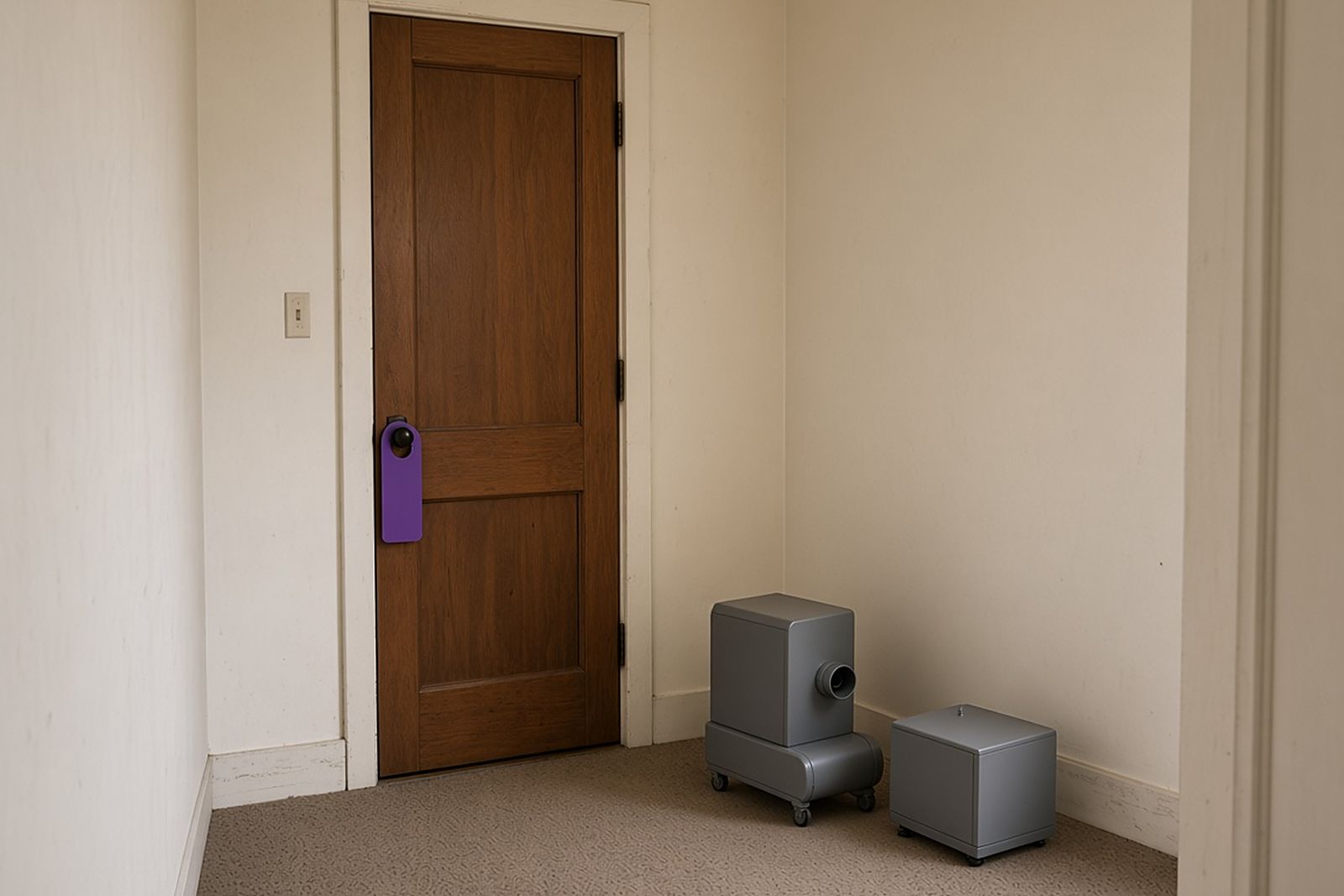
Costs explained
What drives the price, published cost ranges, and how to read a written quote line by line.
Insurance and payment
Which policies may respond, how to document a claim, and what to do if coverage is denied.
Planning tools
Six tools for landlords, executors, and families caring for a property after an unattended death. They help from the first day through waste records and claims.
Community polls
See how other landlords, executors, and relatives handled belongings, talking with tenants, telling buyers, and subfloor choices. Share your own view without giving your name.
Knowledge quiz
Test what you know about odor signs, who is in charge, closing off rooms in shared buildings, taking out soaked materials, waste records, and final sign-off papers.
Field guides
Guides for landlords and executors. They cover access, who is in charge, telling the insurer, how long to hold belongings, and when people can safely move back in.
City guides
Find cleanup providers by city and state. Then check their licenses, waste handling, and how they inspect the subfloor yourself before you approve any work.