Unattended Death Cleanup: Costs & Insurance
Decision-focused information about unattended death cleanup scope variables, estimate comparison, documentation, and policy questions. Coverage depends on the triggering peril, policy language, limits, exclusions, deductible, and carrier review.
This category explains how this kind of cleanup is priced and how insurance may apply. Posts walk through what drives cost. That includes how far fluids traveled, whether subfloor or floor beams must come out, odor treatment after removal, insects, and waste handling. They show how to compare a low bid with a high one. Articles also cover whether homeowner, landlord, or renter policies might pay, and how an estate can back up a claim with records. Other posts explain how to share an early range with other heirs or an owner. They also explain why rebuilding floors and drywall is usually priced apart from the cleanup.
Get an email reply about unattended death cleanup
Send a short message to the follow-up inbox. A coordinator can reply by email. This form does not send emergency help; call 911 first if anyone is in danger.
Cost questions weigh more after an unattended death. The person paying may be an estate with frozen accounts, a landlord with an empty unit, or brothers and sisters splitting the bill. Knowing what moves a price helps you see whether a quote covers hidden damage or leaves it for a surprise change later. Knowing how coverage works lets you speak clearly with an adjuster. Keep in mind that no provider can promise what an insurer will decide. These posts also cover how empty-home clauses, deductibles, and the timing of probate can shape when a claim is filed. They also cover who is able to sign for it for the estate.
What Drives Unattended Death Cleanup Cost?
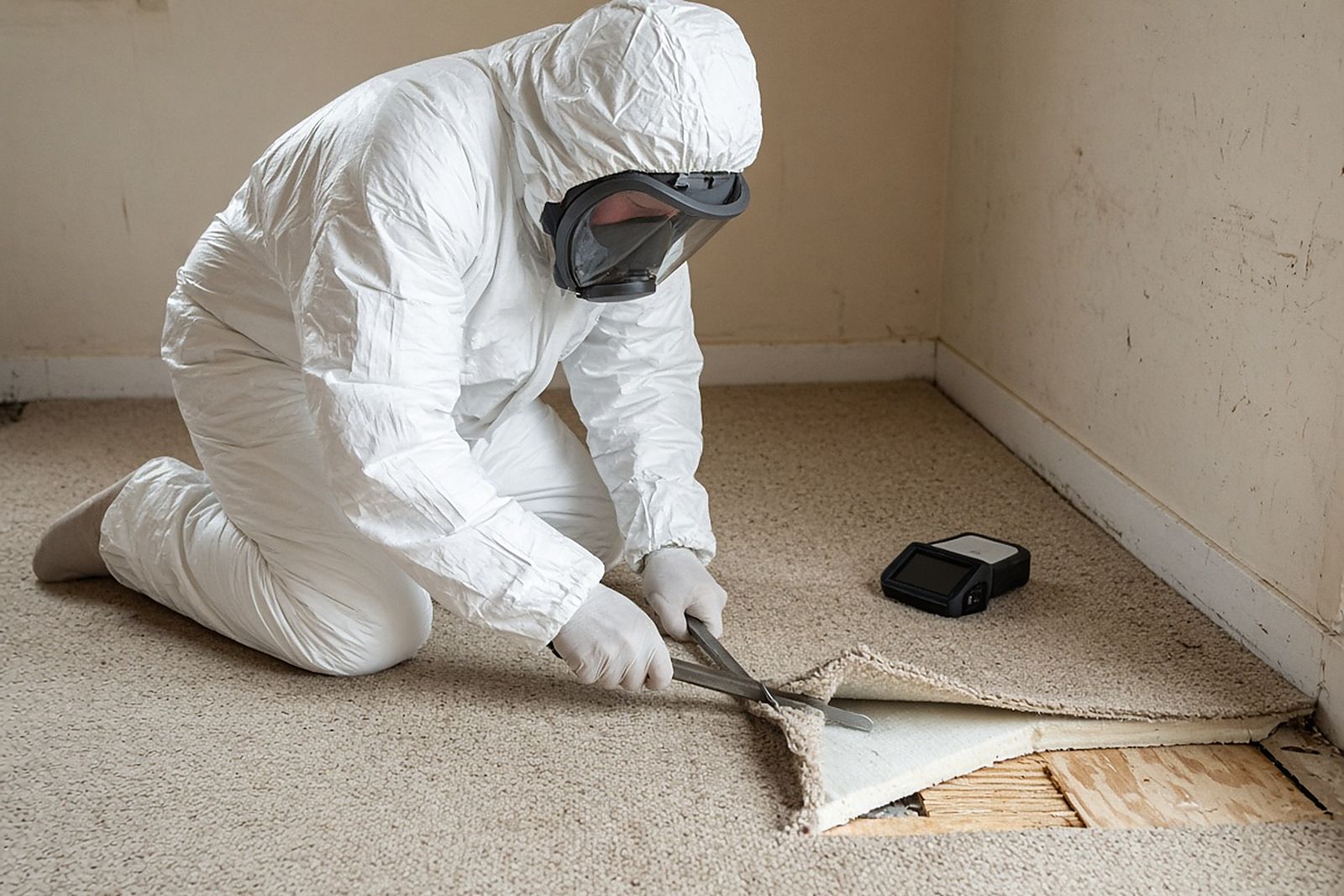
Why delayed discovery drives unattended death cleanup cost: fluid migration, subfloor damage, odor, insects, clutter and belongings the estate needs to review.
Unattended death cleanup cost is driven mainly by how long the person went undiscovered, because time determines how far fluids traveled into flooring and walls, how strong odor became, and whether insects spread. Room temperature, building materials, clutter, access and the amount of belongings to sort also matter. An on-site assessment and itemized scope, not a phone quote, will tell you the actual cost.
Does Homeowners Insurance Cover Unattended Death Cleanup?
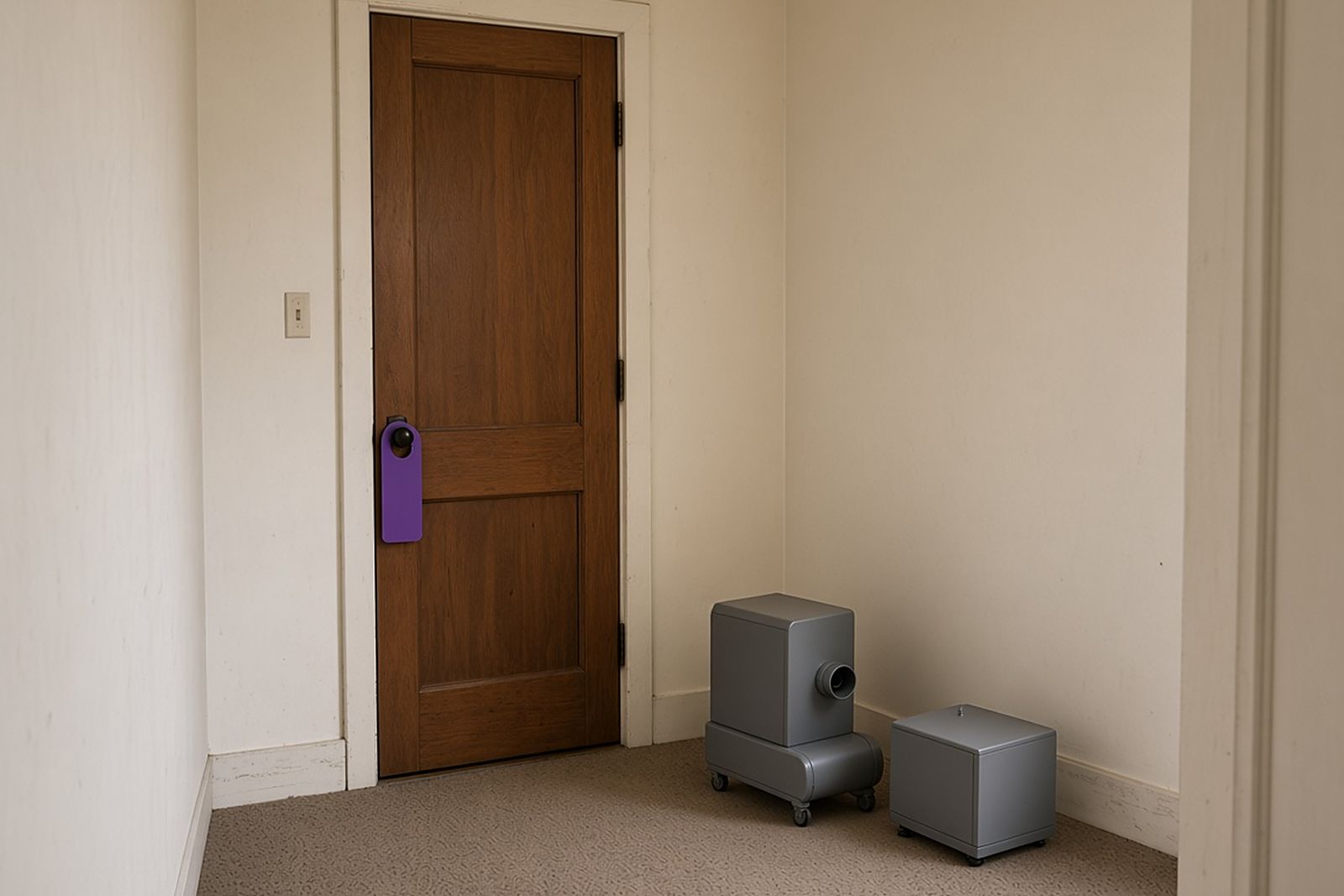
When a death goes undiscovered for days or weeks, how homeowners, renters and landlord policies may treat the resulting damage, and how delay shapes the claim.
Homeowners insurance may cover some cleanup and repair after an unattended death, but delayed discovery raises questions other claims do not. Insurers may examine whether the damage was sudden or gradual, whether the home was vacant, and who holds the policy. Report promptly after discovery, document the timeline, and get an itemized scope that explains why each material must be removed.
How to Compare Low and High Unattended Death Cleanup Bids
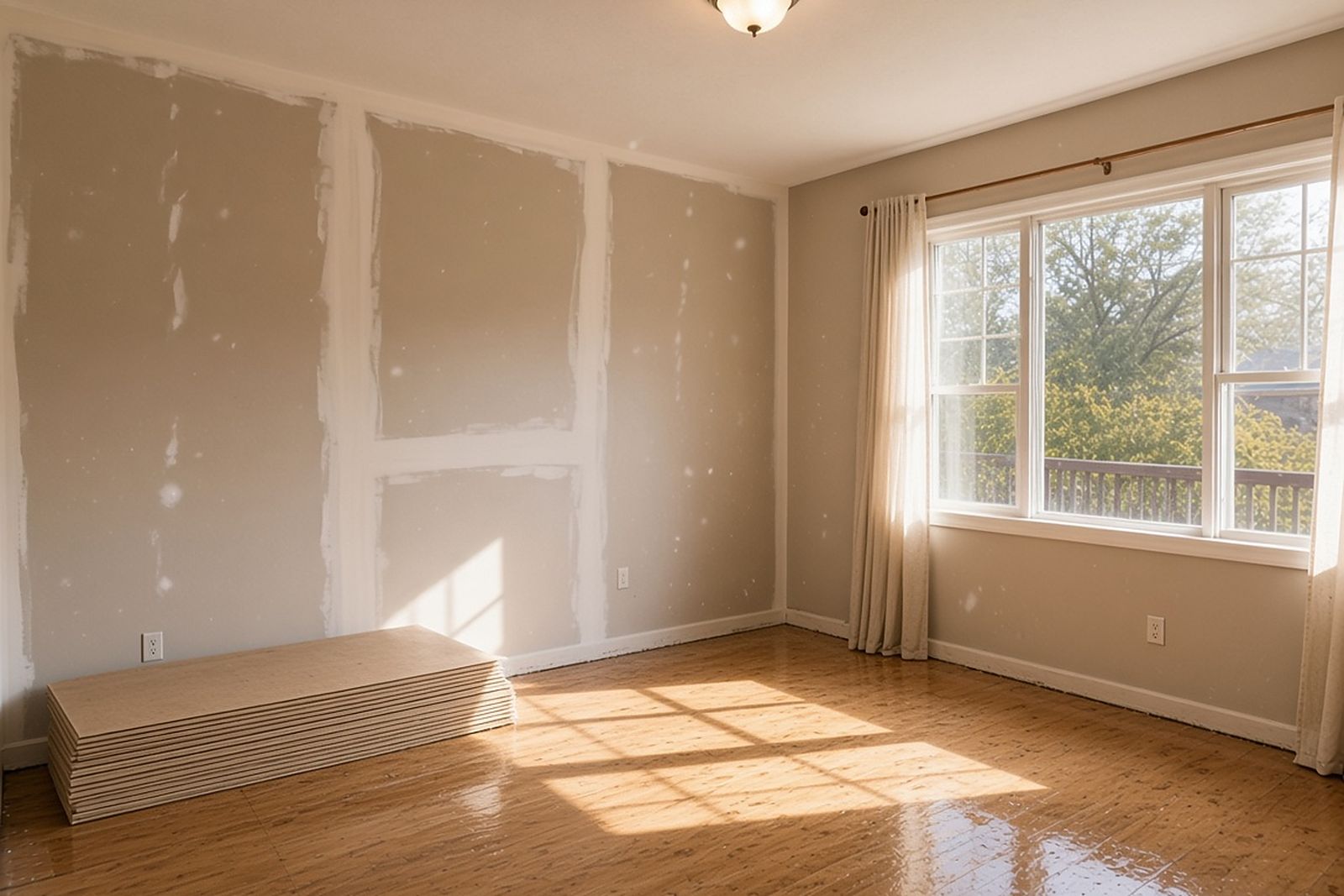
How to compare low and high unattended death cleanup bids: odor, subfloor removal, insects, disposal weight and contents are where quotes differ most.
Compare unattended death cleanup bids by scope, not price alone. The biggest differences come from how each provider handles fluid that reached subflooring, odor removal, insect control, disposal of heavy saturated materials and contents such as furniture and belongings. Ask each company what it assumes about hidden damage, how odor success will be judged, whether disposal is included and how changes will be approved.
Sourced figures on costs & insurance
- $200-$300 per hour
Fixr's 2025 guide lists unattended death cleanup at $200 to $300 per hour and hoarding cleanup at $25 to $150 per hour or about $1,000 per day.
Read with care: Fixr figures are editorial cost estimates compiled from contractor and industry data, not a statistical survey of completed jobs; local prices vary widely.
Source: Fixr (2025)United States, residential biohazard cleanup estimates, January 2025
- 180 days
Facilities generating more than 100 kg but less than 1,000 kg of hazardous waste per month are Small Quantity Generators and may store it up to 180 days.
Read with care: Limit extends to 270 days when the disposal facility is over 200 miles away.
Source: EPA (2024)United States, RCRA generators
- $16,550
OSHA's maximum penalties are $16,550 per serious violation and $165,514 per willful or repeated violation.
Read with care: Amounts adjust annually for inflation.
Source: OSHA (2024)United States federal OSHA, 2024 inflation-adjusted amounts
These figures are public research and agency data, not this network's own job records. Keep each number with its population, year and limits; none of them predicts cost, timing or outcome at a specific property.
What research has found
Findings from published studies of people and properties in situations like this one. They describe what researchers observed in a specific group; they are not predictions for your case.
Support-seekers reported more follow-up interactions with early responders.
Some relatives attempted resuscitation on discovering the person.
Costs & Insurance: common questions
Why is the price of an unattended death cleanup hard to know before inspection?
Most of the cost depends on what is under the surface you can see. Did fluids reach the subfloor, the floor beams, or a unit below? Those answers only come from lifting materials and taking readings. A fair provider will give a range at first. Then it will give a written scope once it can see how far the damage really goes.
Does homeowners insurance pay for cleanup after an unattended death in the home?
Some policies treat it as sudden, accidental damage. Others limit it or leave it out, especially if the home was empty for a long time. Call the insurer, explain what happened, and ask which part of the policy might pay. Get the claim number and the adjuster's name in writing. Keep every quote and bill for the estate file.
What makes one bid much lower than another for the same apartment?
A lower bid may skip checking the subfloor, leave out odor treatment, leave out waste disposal, or assume the damage stops at the stain. A higher one may include rebuild work or handling of belongings. Line up the bids item by item. Ask each provider what it assumes about the floor, and what could change after it opens things up.
Should I tell the provider whether insurance is involved?
Yes. A provider who knows a claim is open can record the work the way adjusters usually expect. That means photos at each stage, a line-by-line bill, and clear reasons for why materials were removed. Knowing about the claim does not have to change the price. Ask each provider how they keep records on insurance jobs, and whether they will talk with the adjuster.
Can I ask the provider to wait for payment until insurance pays?
Some providers take payment after the claim is settled. They may ask you to sign over your insurance benefits or sign a payment agreement. Others want a deposit or payment when the work is done, no matter the insurance. Read any payment agreement with care, especially one that signs over your benefits. Ask the estate's lawyer if you are unsure. Make sure you know what happens if the claim is denied.
Why might the cleanup cost more than the insurer is willing to pay?
Insurers may question some line items. They may apply policy limits or exclusions, or use their own price guides. Differences often come from the scope of work, such as whether the subfloor really needed to come out. Ask the adjuster to explain any cut in writing. Share it with the provider, who may be able to send more records. Keep a record of every exchange.
Are cleanup costs paid before other estate debts?
The order in which estate costs and debts are paid depends on state probate law and the estate's situation. Costs to protect estate property are often treated as costs of running the estate, but this varies. The estate's lawyer or the court can explain how cleanup costs are treated. Keep bills and payment records so the executor can account for them correctly.
Related community polls
Every count is a real visitor vote; nothing is seeded or padded. One vote per poll per device, and you can change your answer.
As a landlord, how long would you wait for the tenant's family before arranging cleanup yourself?
Which part of an unattended death project would you find hardest to manage?
More on unattended death cleanup
Unattended Death Cleanup services
Learn what cleanup after a late discovery involves. It covers tracing how far fluid soaked into the subfloor, odor treatment, listing belongings, and move-back-in records.
Costs explained
What drives the price, published cost ranges, and how to read a written quote line by line.
Insurance and payment
Which policies may respond, how to document a claim, and what to do if coverage is denied.
Planning tools
Six tools for landlords, executors, and families caring for a property after an unattended death. They help from the first day through waste records and claims.
Community polls
See how other landlords, executors, and relatives handled belongings, talking with tenants, telling buyers, and subfloor choices. Share your own view without giving your name.
Knowledge quiz
Test what you know about odor signs, who is in charge, closing off rooms in shared buildings, taking out soaked materials, waste records, and final sign-off papers.
Field guides
Guides for landlords and executors. They cover access, who is in charge, telling the insurer, how long to hold belongings, and when people can safely move back in.
City guides
Find cleanup providers by city and state. Then check their licenses, waste handling, and how they inspect the subfloor yourself before you approve any work.